


Our Lahemaa Stories and Places: Pärispea Peninsula
The northernmost peninsula of Estonia is Pärispea. For centuries, the coastal villages here have been open to the sea and neighboring cultures. According to legend, the village of Viinistu was founded by Finns, and Pärispea is considered the oldest coastal village in Estonia. The development of the peninsula has also been influenced by the town of Loksa, which is home to representatives of various nationalities today. Here, the old coastal culture, exciting recent history, and vibrant cultural life meet.
Five Interesting Facts About Pärispea
- Fishing and trade were the main sources of livelihood on the Pärispea peninsula for centuries. In the 1920s, extra money was also made by smuggling spirits across the Gulf of Finland.
- Pärispea is considered the oldest coastal village in Estonia, and according to legend, the founders of Viinistu came from Finland.
- As late as the early 20th century, Loksa was a small coastal village. With the development of a brick factory, harbor, and vacation culture, it quickly grew into an important industrial and port settlement.
- After World War II, a naval base was established in Suurpea, and the area belonged to a closed border zone for decades.
- The northernmost point of mainland Estonia is located at Purekkari Cape.
What to Do on Pärispea Peninsula?
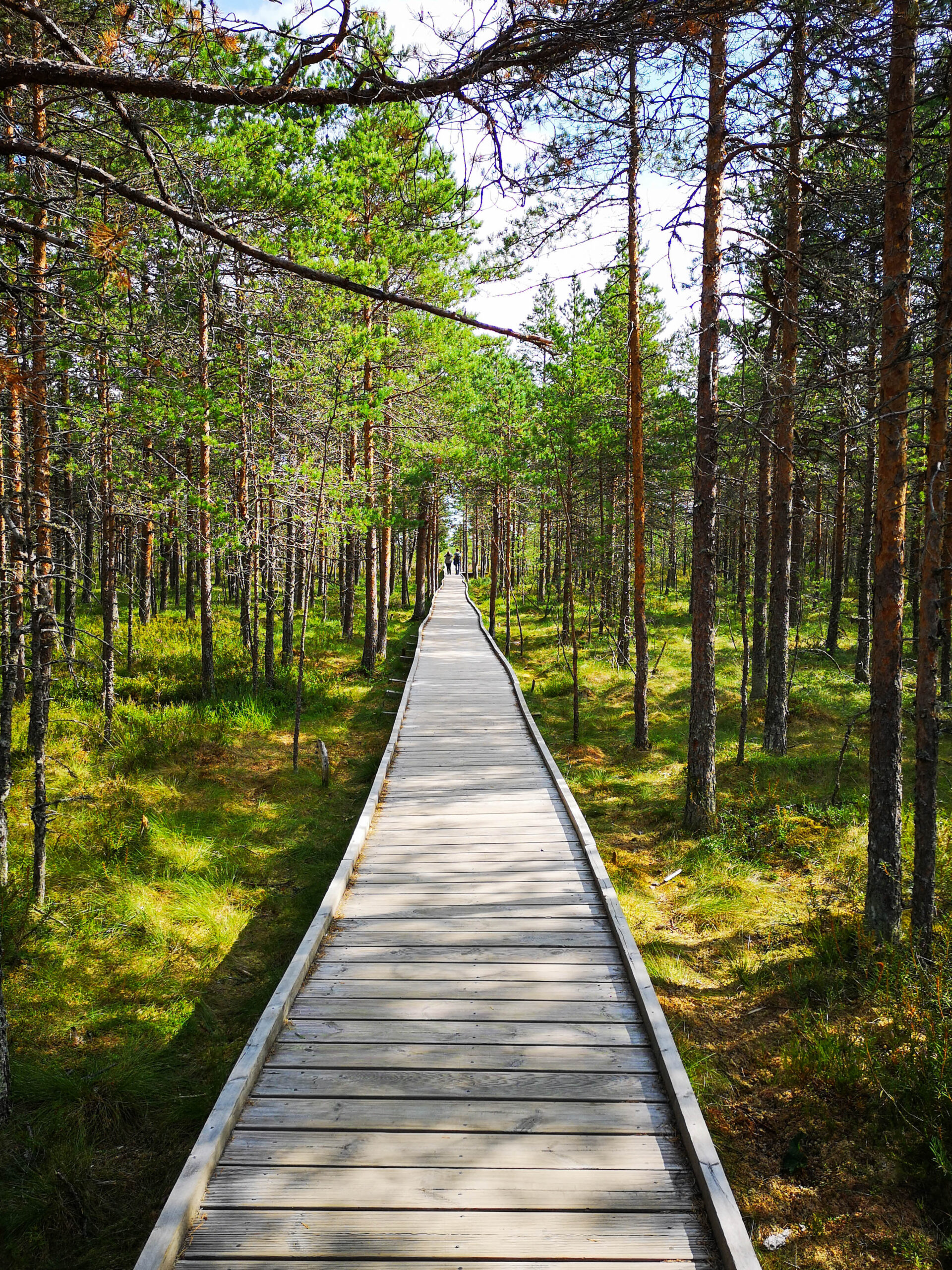
- Hike to Purekkari Cape. The trail leading to the northernmost tip of mainland Estonia is one of Lahemaa’s most popular hiking routes. On the stony path, you will see the northern coastal landscape.
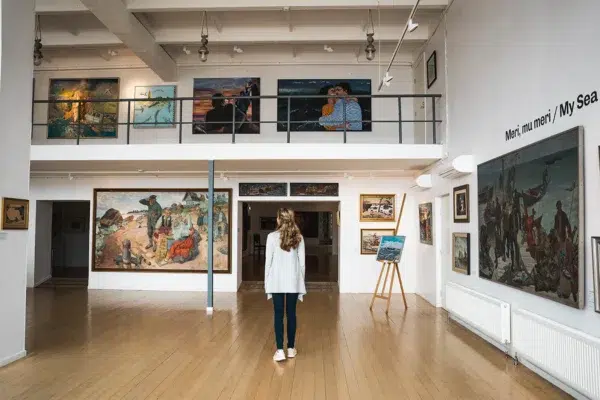
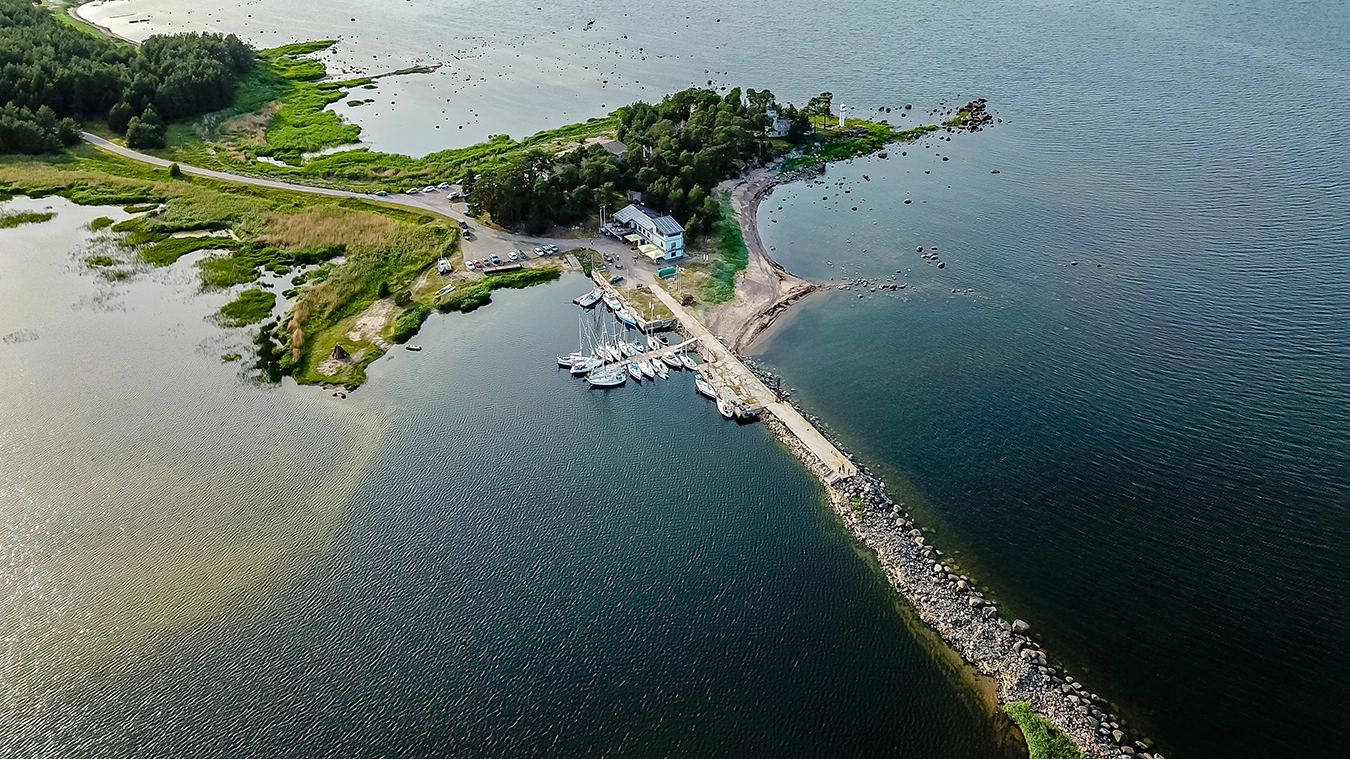
- Visit Viinistu. The art museum houses the largest private collection of Estonian art, the community center welcomes visitors to the Viinistu village museum, and the beach restaurant offers delicious food by the sea. Boats to Mohni Island also depart from Viinistu.
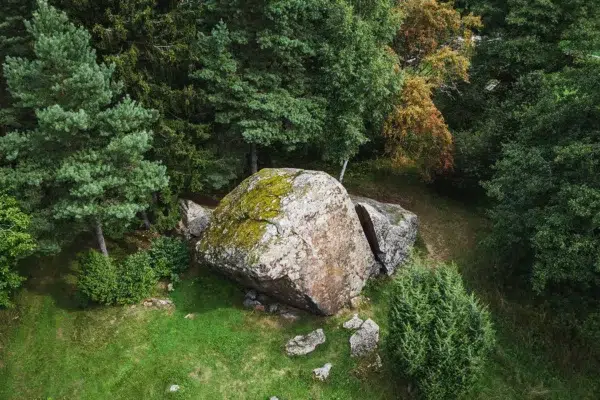
- Discover the boulders. The Pärispea peninsula is full of erratic boulders. The Jaani-Tooma boulder is one of the most famous symbols of Lahemaa National Park.
- Stop in Loksa. The peninsula’s hub features a sandy beach, two churches, shops, fast food places, and good connections to Tallinn.
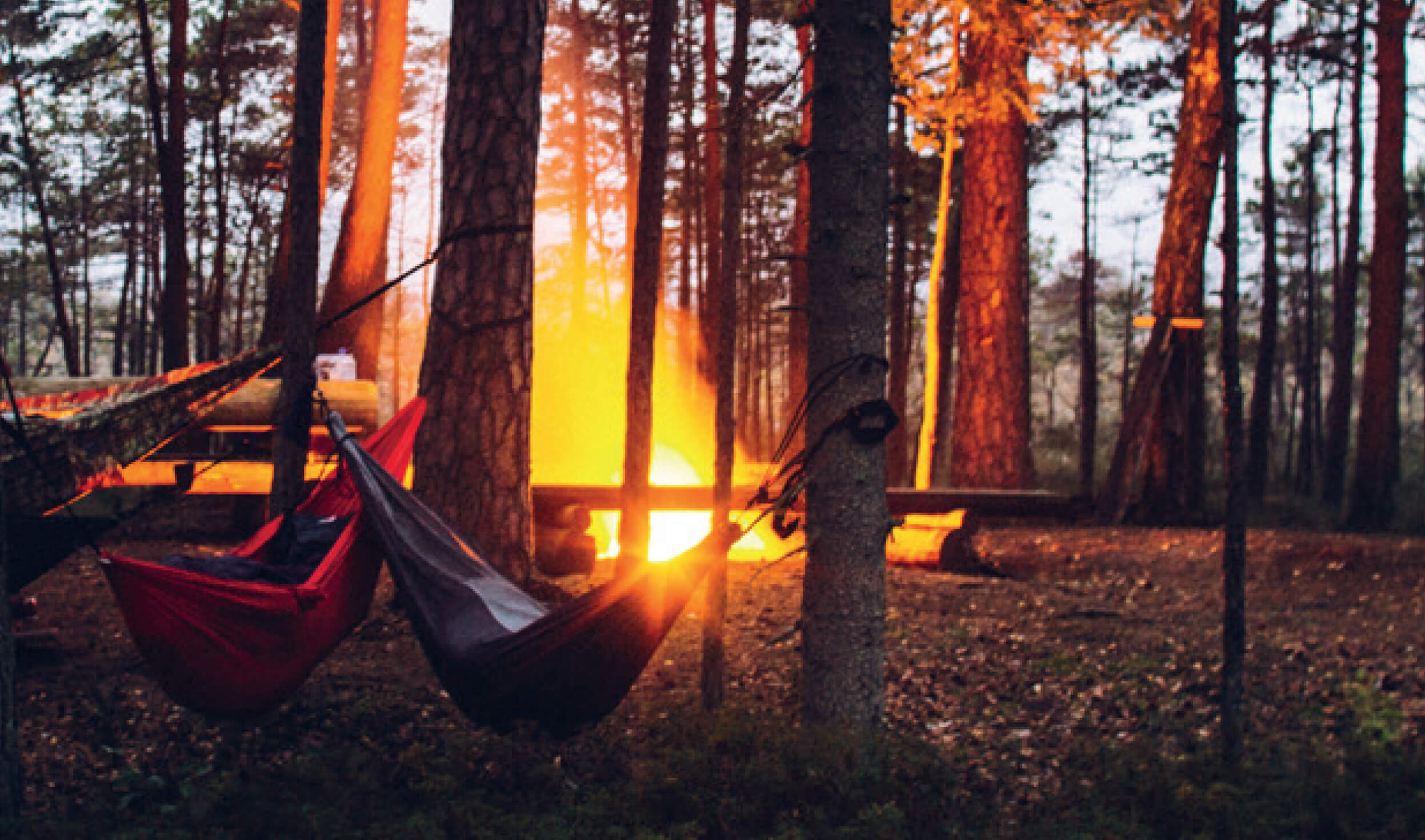
- Enjoy nature. The peninsula is home to the Vihasoo birdwatching tower, coastal nature trails, the RMK Purekkari camping area, and several beautiful beaches.
A Local Guide Tells
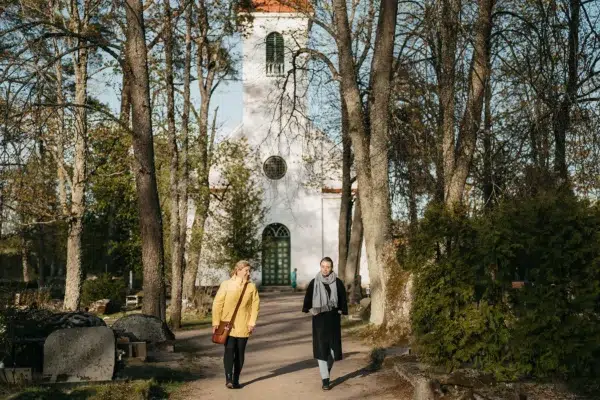
Maie Itse: “My connection to Pärispea Peninsula began through hikes to Mohni Island. When the sea was stormy and I couldn’t reach the island, I started exploring the forests and beaches of the peninsula. Once at Purekkari Cape, I met an elderly lady from Pärispea who told me how she learned to read according to the Pärispea chronicle. I also remembered the old word ‘ridamine’, which meant counting. Education, entrepreneurship, and maritime wisdom have always been valued in the villages here.”
Õnne Arba: “Suurpea was a separate town during the Soviet era – it had shops, a school, a kindergarten, a hospital, a cinema, and even a disco hall. Locals recall that the store shelves had goods that were rarely seen elsewhere in Estonia. Access to the seaside was limited, and the entire area was surrounded by a fence. Today, the military structures that remain from that time and the memories of people tell the story.”
Today’s Pärispea Peninsula
The Pärispea Peninsula includes the villages of Suurpea, Pärispea, Viinistu, Turbuneeme, and Kasispea. Approximately 500 people live on the peninsula, in addition to about 2500 residents in Loksa.
In summer, the peninsula is especially lively. Viinistu hosts exhibitions, concerts, and theater performances, the beaches fill with vacationers, and community events take place in the villages. At the same time, hiking trails, boulders, and seaside villages offer the opportunity to explore Lahemaa at a more relaxed pace.
If you want to learn more about the stories of Pärispea Peninsula, take along a local guide, who can show you places whose significance often lies in small stories and the memories of people.