


Lahemaa National Park Turns 55
This year, Lahemaa National Park celebrates its 55th anniversary. Estonia’s oldest and largest national park is a place where diverse nature, rich cultural heritage, and a vibrant community meet.
Lahemaa is not just a beautiful natural landscape – it is also home to thousands of people and a place where centuries-old traditions live on to this day.
But how well do we actually know Lahemaa?
Lahemaa – a Joint National Park of Two Counties
Lahemaa National Park covers an area of about 750 km², of which nearly a third is sea. Just over half of the land belongs to Harju County (Kuusalu municipality and a bit of Loksa town), while the rest is in Lääne-Viru County (Haljala and Kadrina municipalities).
There are over 70 villages within the national park, home to approximately 3,500 people.
Although we live within the boundaries of one national park, we often know our home area better than the neighboring county. The Lahemaa Tourism Association has sought to unite the community by organizing guide training, tourism forums, and joint meetings.
The anniversary year is a great opportunity to rediscover Lahemaa – for both locals and visitors.
Coastal People and Rural Folk
The Lahemaa community has historically been divided into coastal people and rural folk.
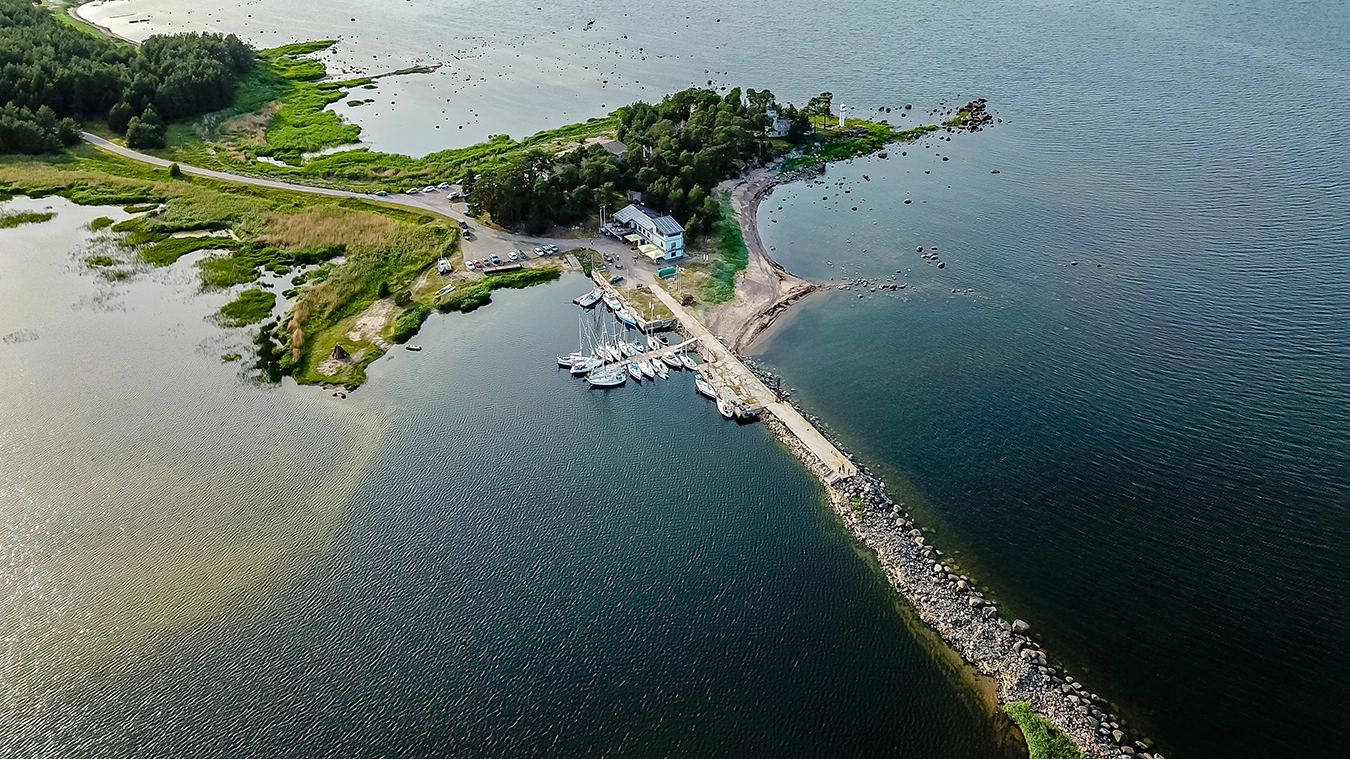
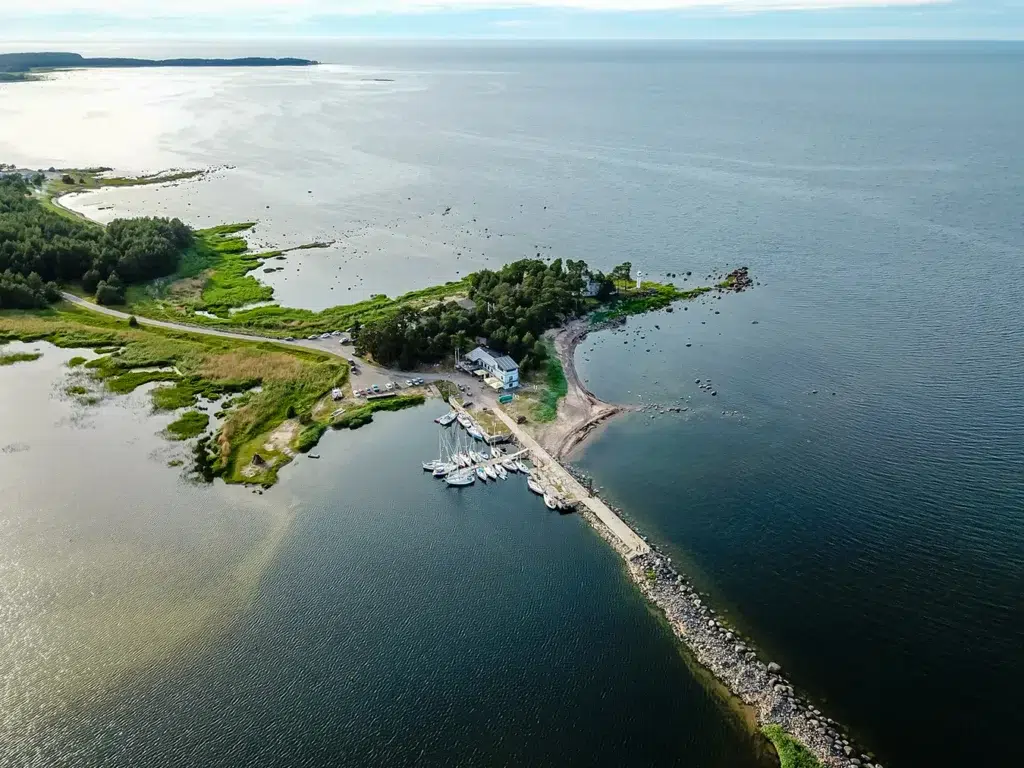
The peninsulas are forested and marshy in the middle, with villages primarily located by the sea. Since the land in coastal villages is rocky and less fertile, fishing was the main source of livelihood.
Livelihood was also earned through timber transport, shipbuilding, and maritime trade; from the mid-19th century, smuggling brought wealth to the coastal villages.
After World War II, Estonia’s coast became a border zone of the Soviet Union. Fishing ports were closed, boat sheds were demolished, and the traditional way of life of the coastal people changed significantly.
Manors and Rural Villages
The land settlement of Lahemaa has been influenced by the Baltic Klint, along which several old villages and ancient settlement sites are located.
Here you can also find four well-known manor complexes:
• Palmse Manor
• Sagadi Manor
• Vihula Manor
• Kolga Manor
These manors were once important economic and cultural centers and today offer a chance to explore Lahemaa’s history and architecture.
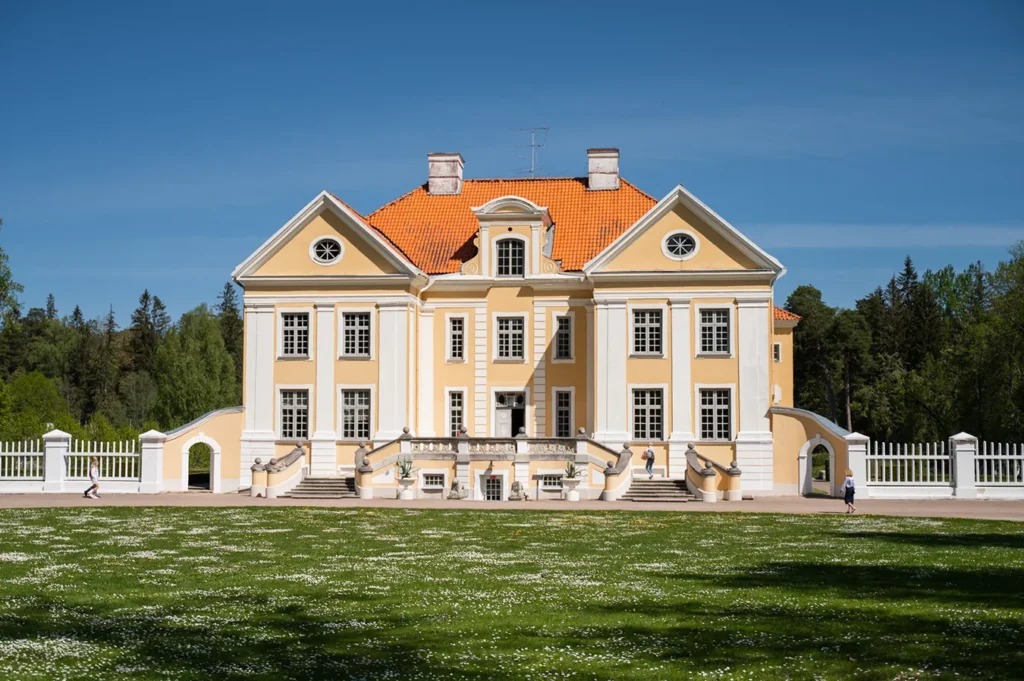 Palmse Manor
How Did the Name Lahemaa Come About?
The name Lahemaa was introduced by Finnish geographer Johannes Gabriel Granö in 1922.
He described this area as a bay-like plateau marshland – a landscape of forests, bogs, and sparse road networks between Kuusalu and Kunda on the northern coast of Estonia.
The name Lahemaa began to be used more widely only after the establishment of the national park.
Estonia’s First National Park
Established on June 1, 1971, Lahemaa was the first national park in the entire former Soviet Union territory.
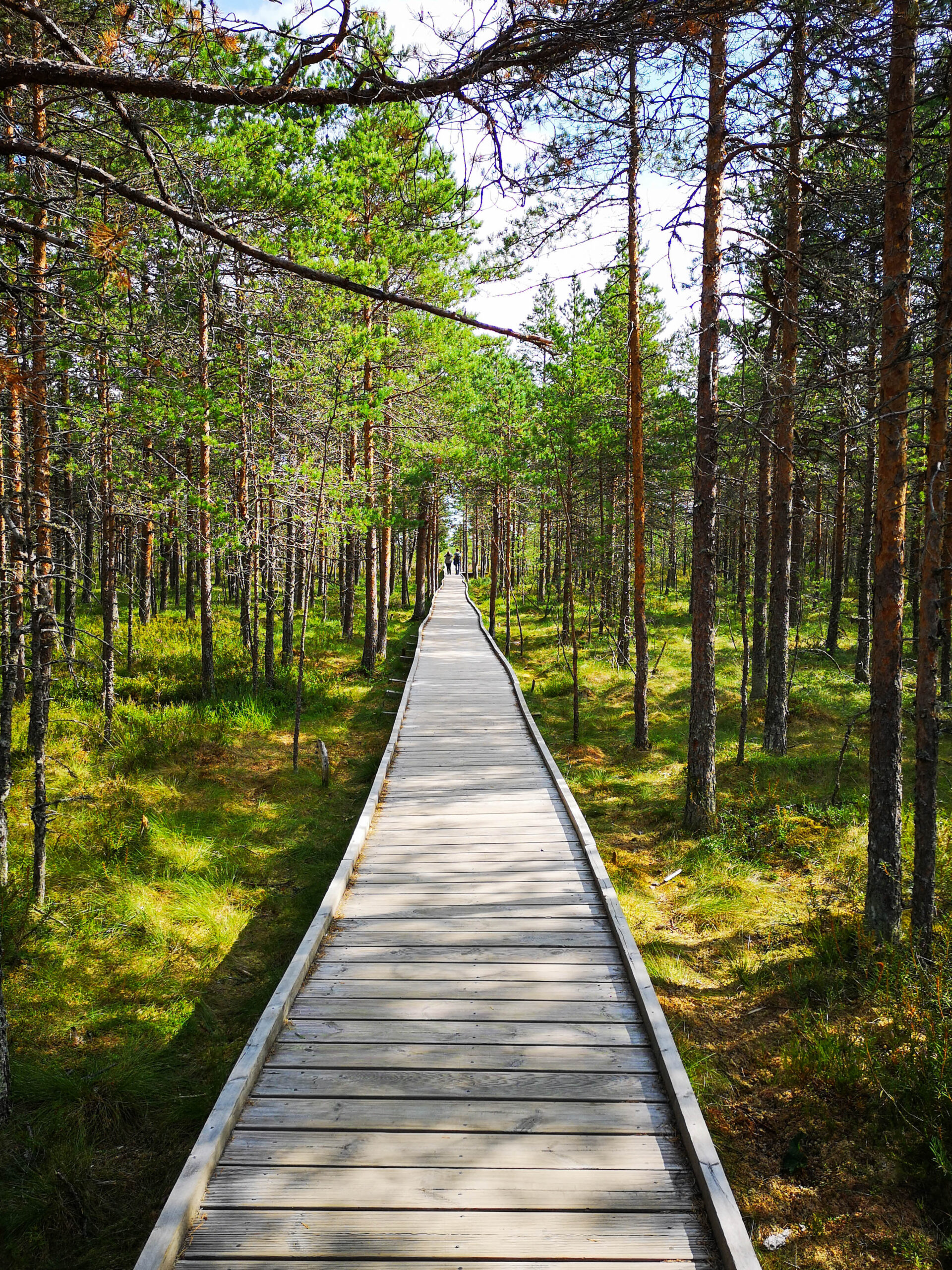
In addition to nature conservation, it has been important from the beginning to promote nature, provide opportunities for tourism and recreation, and create educational trails. In 1977, the first visitor trail in Estonia was established in the Viru bog.
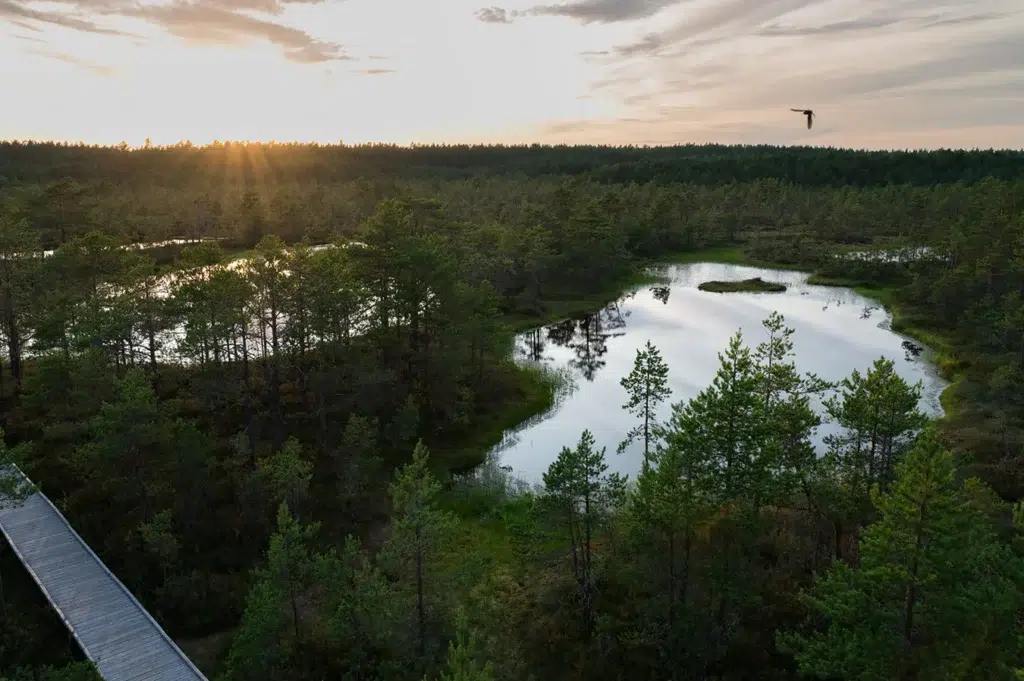 Viru Bog
Lahemaa as Estonia’s Most Popular Nature Tourism Destination
In the late 1980s, the first foreign tourists began to visit Lahemaa.
Today, it is Estonia’s most popular nature tourism destination, attracting about 250,000 visitors annually.
Visitors are drawn here by:
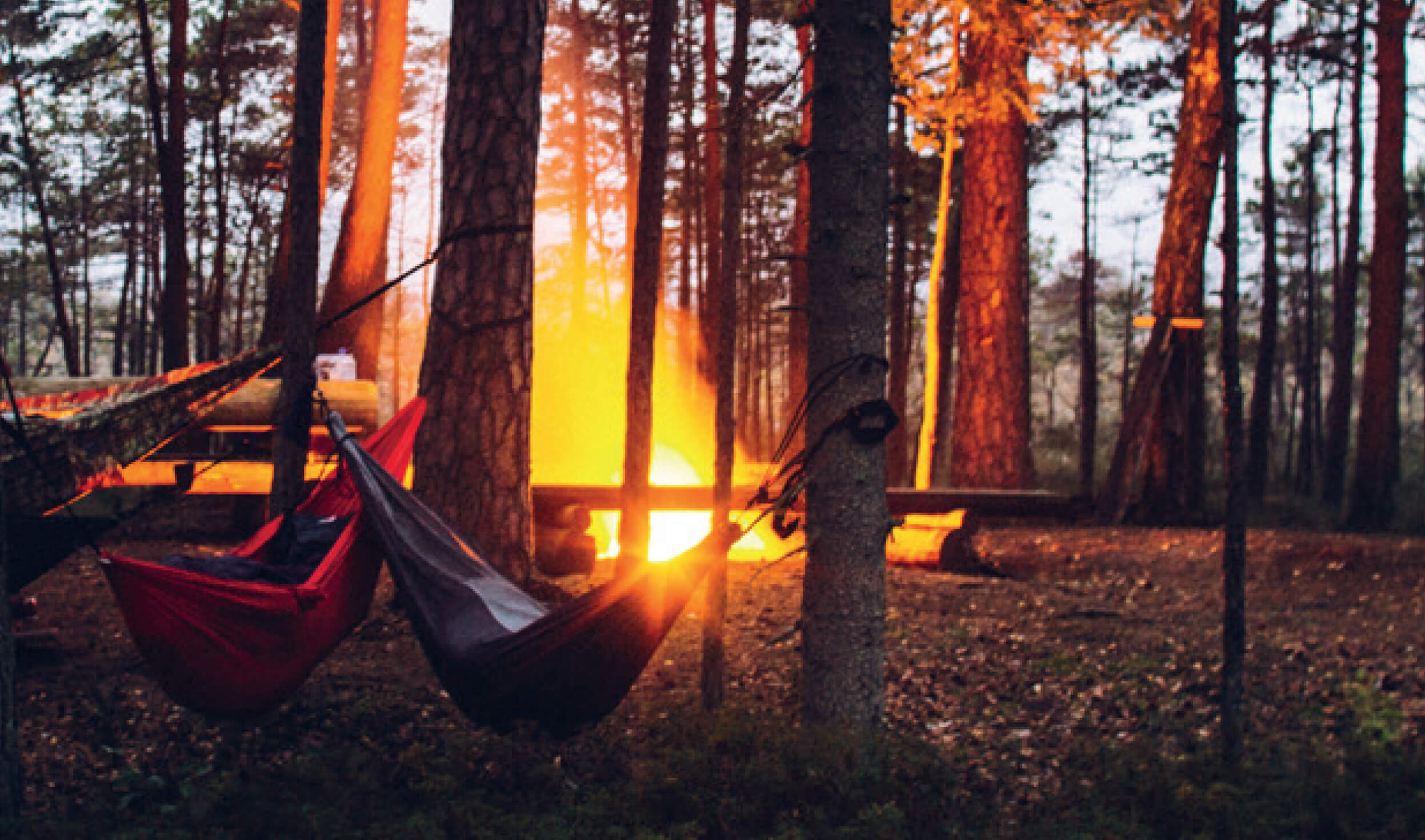
• ancient forests
• bogs and hiking trails
• Europe’s richest boulder coast
• authentic villages and culture
Increasingly, the local community and its vibrant culture also attract visitors.
Lahemaa Community Festivals
Lahemaa National Park encompasses three historical parishes – Kuusalu, Haljala, and Kadrina.
A significant portion of Estonia’s folk songs and dances have been collected from these areas.
Cultural life here remains active – Lahemaa has 12 community centers where concerts, folk dance evenings, community events, and festivals take place.
Visit Lahemaa brings many of these under the name of Lahemaa Community Festivals, and event information can be found in the Visit Lahemaa events calendar.
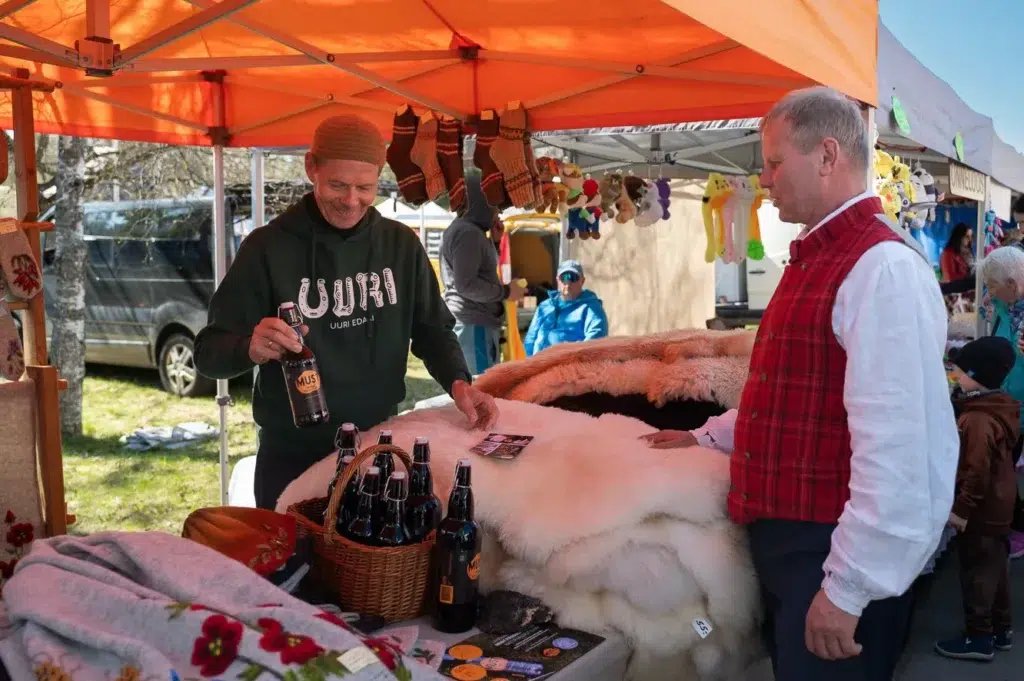 Kuusalu Mailaat
Flavors of Lahemaa
Lahemaa’s food culture is as diverse as its nature.
Here you can enjoy:
• Michelin-level restaurants
• harbor restaurants
• cozy eateries with a pub atmosphere
Many food providers use the Northern Estonia local food label and value sustainable living and local ingredients.
The Anniversary Year Invites You to Discover Lahemaa
Lahemaa’s 55th birthday is a great reason to embark on a new journey in your home region.
You can start from a place you haven’t visited in a long time – from a village, a peninsula, or the edge of a bog.
Lahemaa is our shared land; let us cherish and feel it.