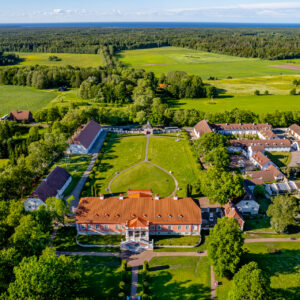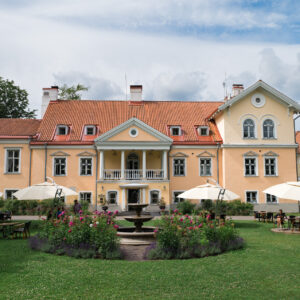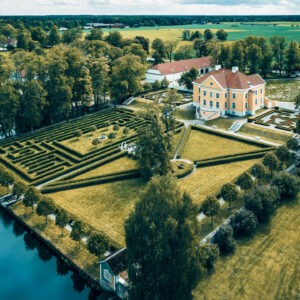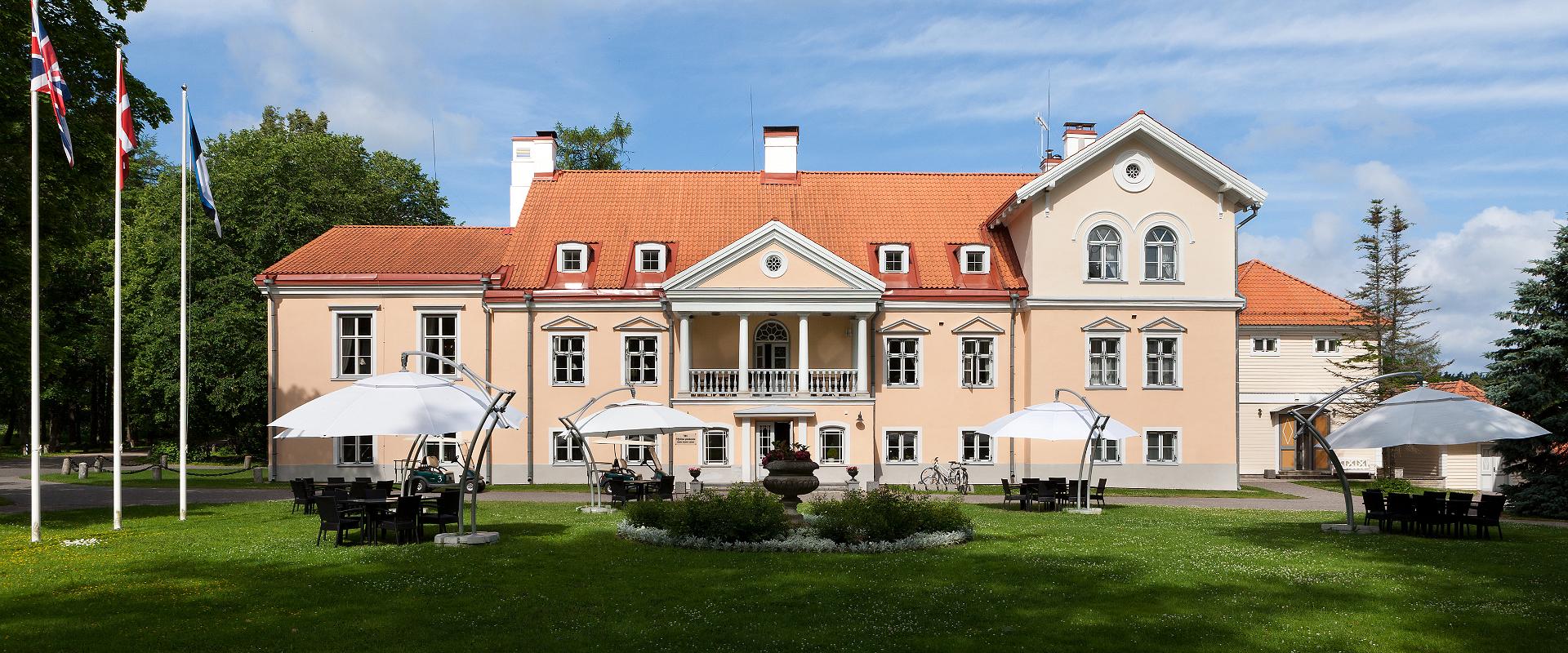

You can find the most outstanding works of Lahemaa’s architectural history in Kolga, Palmse, Sagadi, and Vihula. Estonia’s largest manor, Kolga Manor, which belonged to the Stenbock family, is still awaiting the skilled hand of a restorer to restore its former glory. However, in Palmse, Sagadi, and Vihula, the manors are available for viewing in their full splendor. There you will find the opportunity to stroll through well-maintained gardens and parks, and also experience unique manor interiors.
The Muuksi hillfort was established on a promontory with naturally suitable preconditions. The primary purpose of the fortress was likely coastal defense and serving as a lighthouse. To the north, the fortress area is protected by a naturally steep and high cliff, while the southern side is defended by a curved stone wall. The courtyard of the fortress is now only partially enclosed by a low, crumbling rampart.
Archaeological excavations have revealed that the site was first settled in the 1st millennium BC, but the rampart was only constructed at the end of the Iron Age.
A staircase leads from the parking lot to the cliff, where a magnificent view of the sea opens up. Along the path, there is also a memorial dedicated to the Finnish boys.
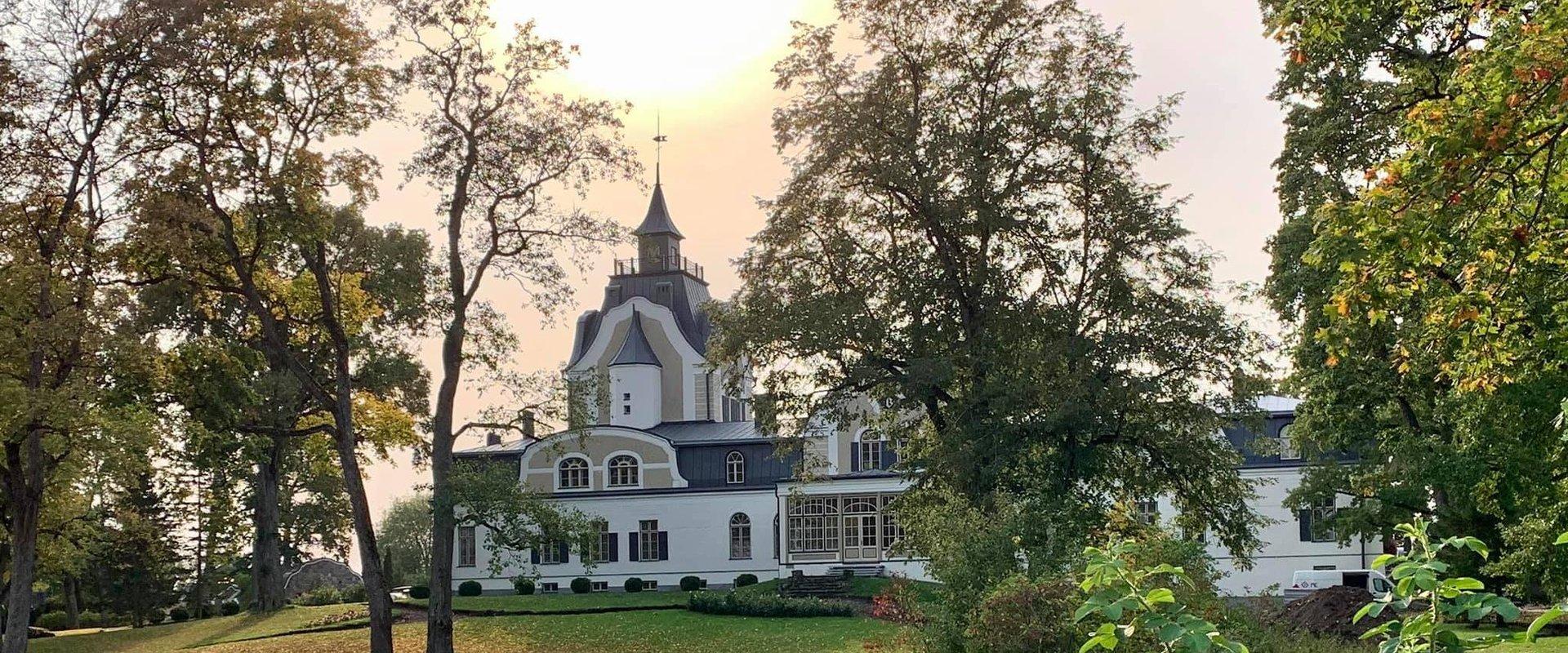
In Lääne-Viru County, on the border of the Neeruti Landscape Protection Area, lies Neeruti Manor – one of the most outstanding examples of Art Nouveau style in Estonia. The first records of Neeruti Manor, in German Buxhöwden, date back to 1406. The name of the then owner, von Buxhöwden, has become established as the manor’s German name.
Among the outbuildings, the most notable are the classical single-storey manager’s house and barn, as well as the neo-Gothic style servant’s house-laundry. The main building is asymmetrical, and its appearance is shaped by the mansard floor, numerous volute-curved pediments, and an impressive 30-meter high tower with a viewing balcony on the southern wing.
Today, Neeruti Manor is privately owned, and the building is generally only viewable from a distance. Occasionally, however, the manor’s doors are opened to visitors – concerts, open house days, and other cultural events are held there, providing a rare opportunity to get closer to the historic building.
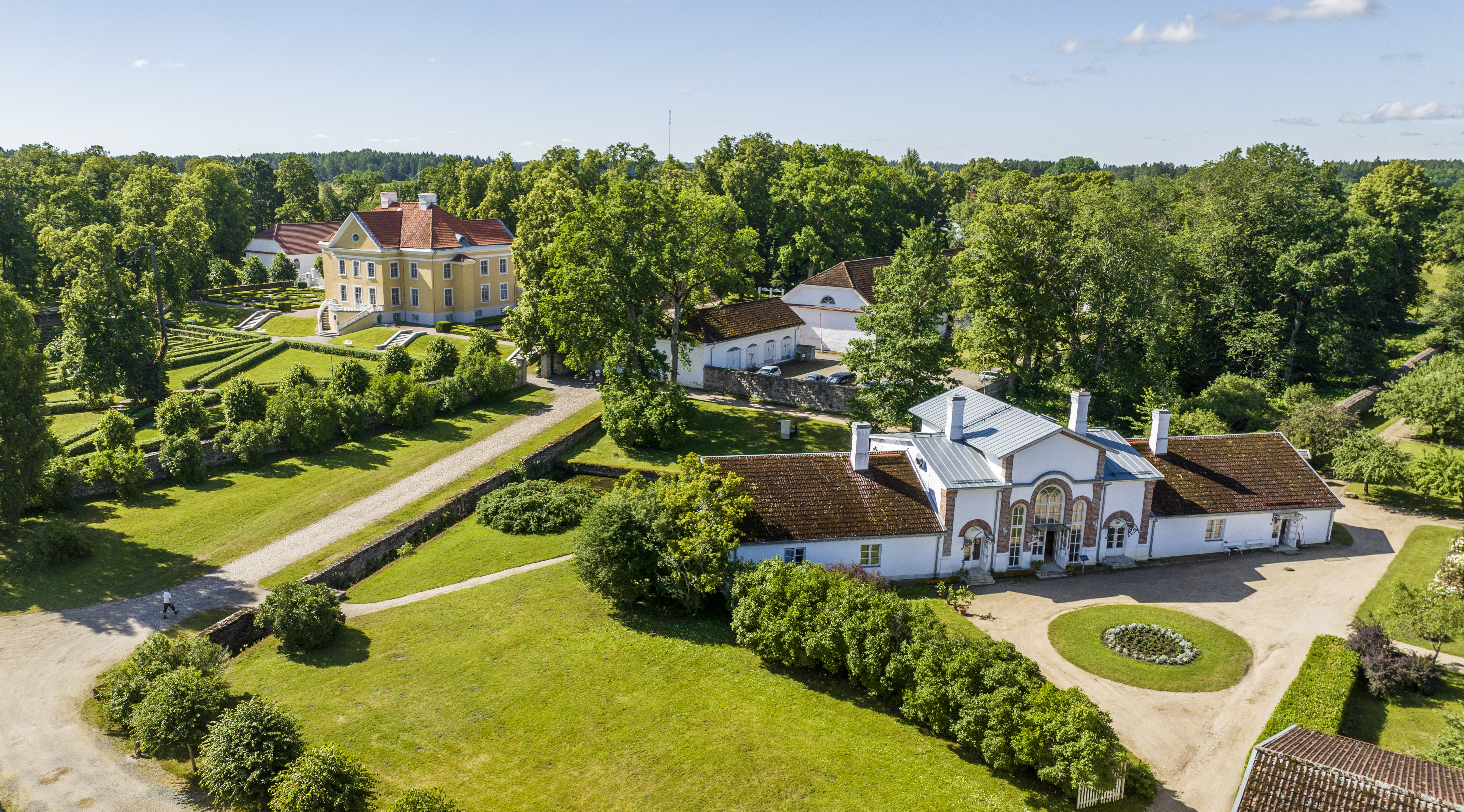
Palmse was the first manor in Estonia to be fully restored in the 1970s, along with all the buildings belonging to the manor’s heart. The manor house is furnished with furniture and paintings from the 18th and 19th centuries, reflecting the lifestyle of the Baltic Germans of that time.
At Palmse, you can:
- walk in the French-style park and hike on forest trails
- participate in programs for children and adults by reservation
- visit the historic palm house
- ride in a carriage/in winter on a sleigh
- get acquainted with the manor animals
- enjoy a meal in the tavern
- have a picnic in the apple orchard during summer
- stay overnight in the historic distillery guesthouse
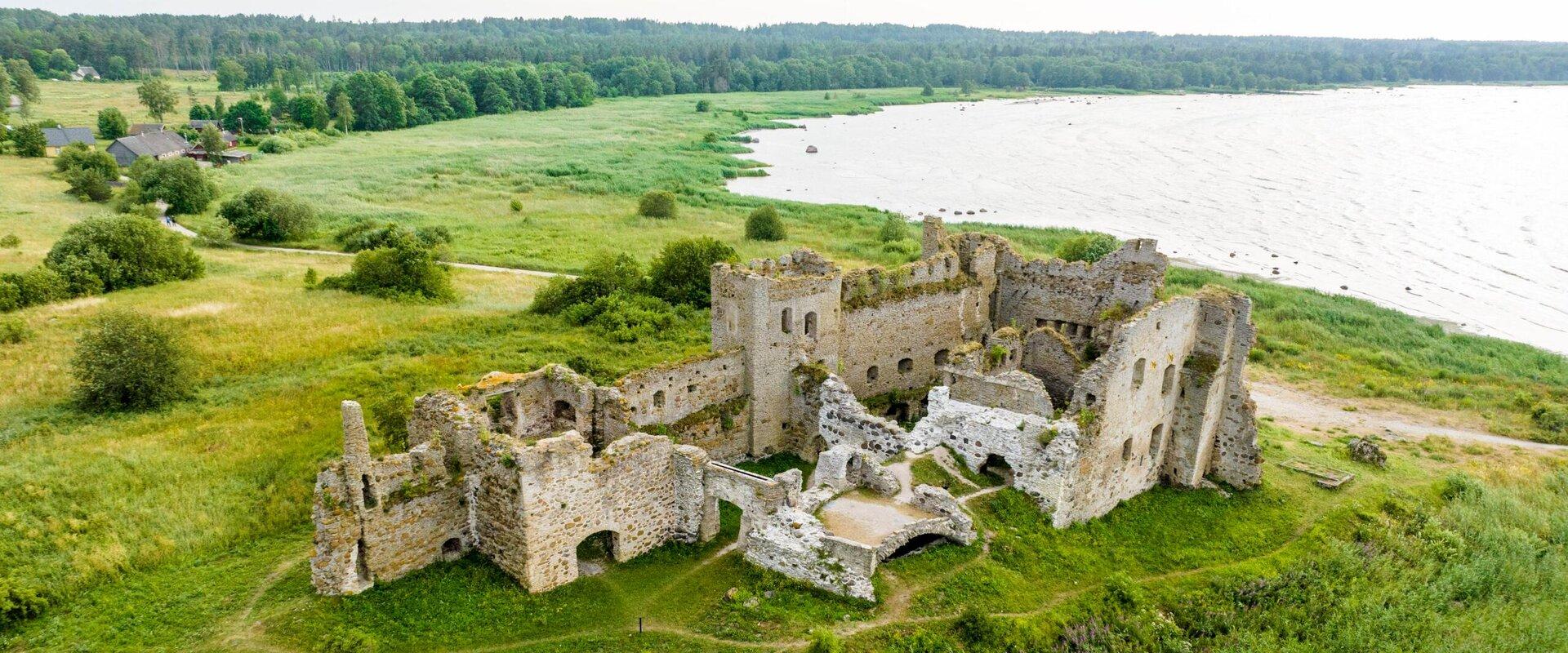
Toolse Castle is located by the beautiful sea and is the northernmost and youngest medieval castle in Estonia. The original fortified structure was likely built by the order in the 14th century to protect the harbor, trading place, and roads. During the Livonian War, the castle changed hands several times and eventually came under the control of Swedish forces. It was finally destroyed during the Great Northern War in the early 18th century. Today, the castle is in ruins.
Toolse Castle offers plenty of visual beauty and is a great place to enjoy nature and the sea.
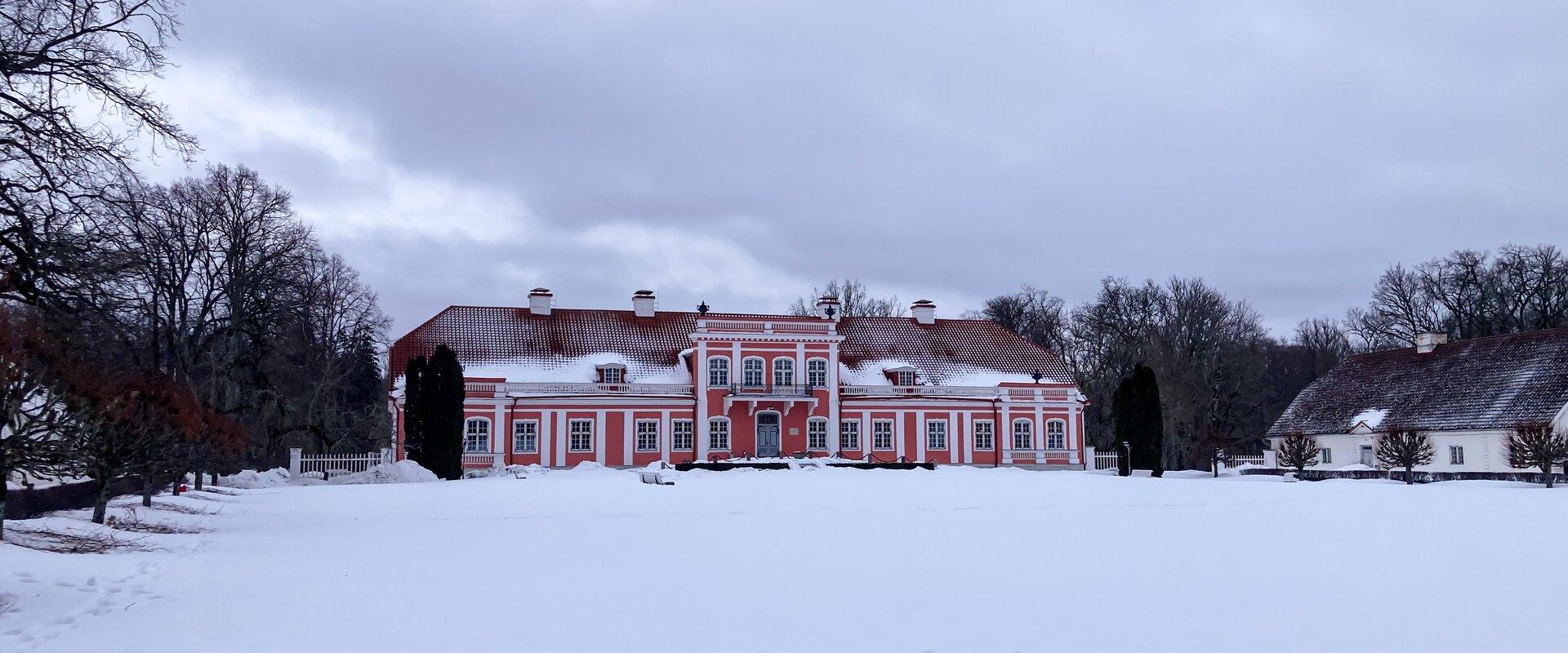
Sagadi Manor Complex is located in Lahemaa National Park. The history of the manor dates back more than 500 years. At the heart of the Sagadi manor complex is the manor house, which is furnished primarily with 19th-century manor-style furniture.
The uniqueness of the complex lies in its integrity: several outbuildings are connected by well-maintained roads, alleys, a park, and ponds. The complex is managed by the State Forest Management Centre – RMK. The Sagadi Forest Centre houses a forest museum and a manor museum, a nature school, a hotel, and a restaurant. To date, Sagadi has become a well-known center for environmental education, culture, and tourism.
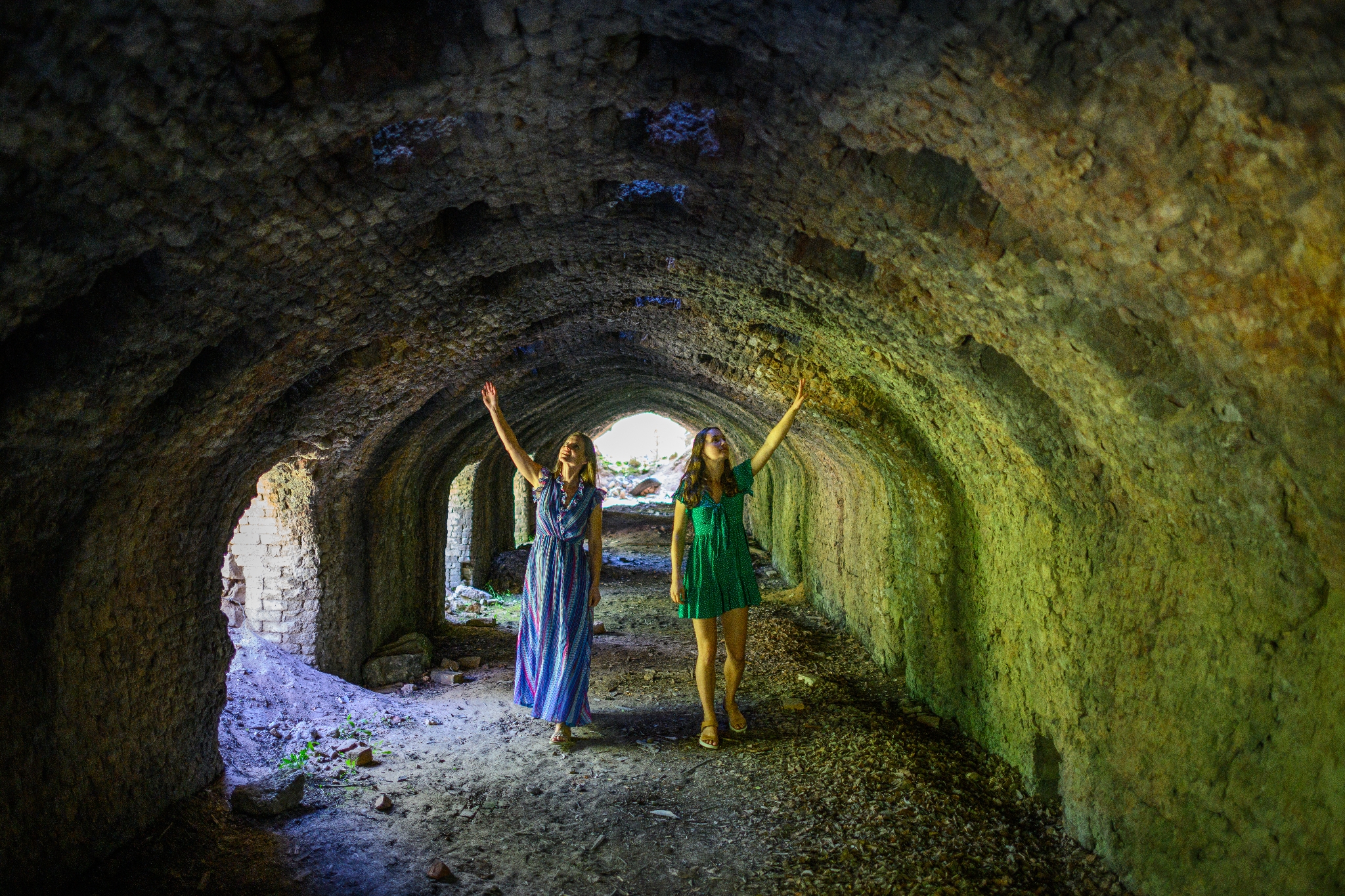
Tamsalu Lime Park is predominantly composed of industrial ruins, abandoned quarries, spoil heaps from developed areas, and natural forests in between, connected by nature and heritage culture trails.
Lime Park is a nature and heritage culture site where an abandoned industrial landscape has been transformed into an attraction. Lime burning was ceased here in 1980.
Visitors can explore several types of lime kilns, including gigantic circular kilns. The trail is equipped with information boards.
For more information and to book tours, visit the Porkuni Stone Museum.
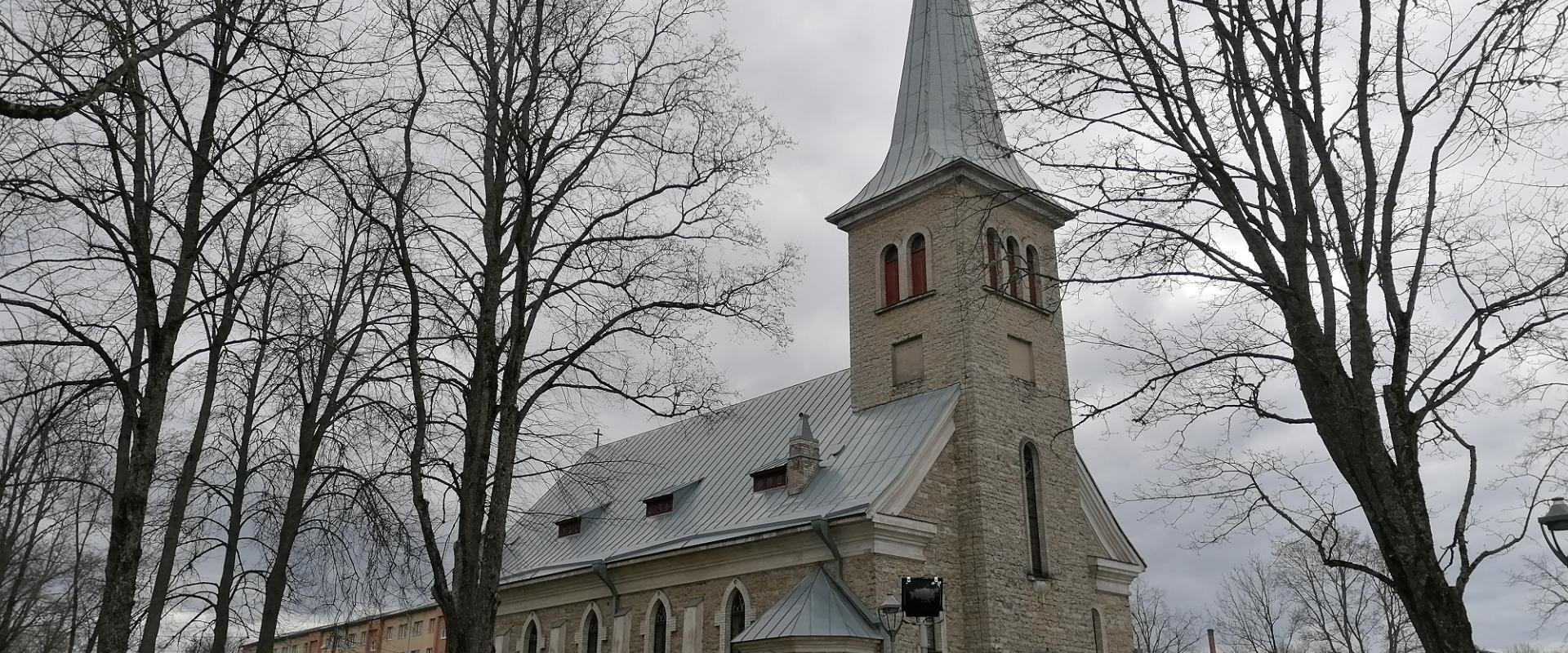
Tapa Jacob Church is a modern historicist church located in the center of Tapa. Due to the development of the railway, the population of the town began to grow, creating a need for an independent congregation. The independent Lutheran congregation of Tapa was established in 1921.
The building was completed during a financially difficult time in 1932, funded by donations. The altar painting of the church, themed “Come to Me,” was painted by artist Olga Oboljaninova Krümmer in 1931. The church’s tower spire was completed and consecrated along with a gilded cross and egg by Archbishop Jaan Kiivit in 1996.
Currently, the EELK Tapa Jacob congregation operates in the church.
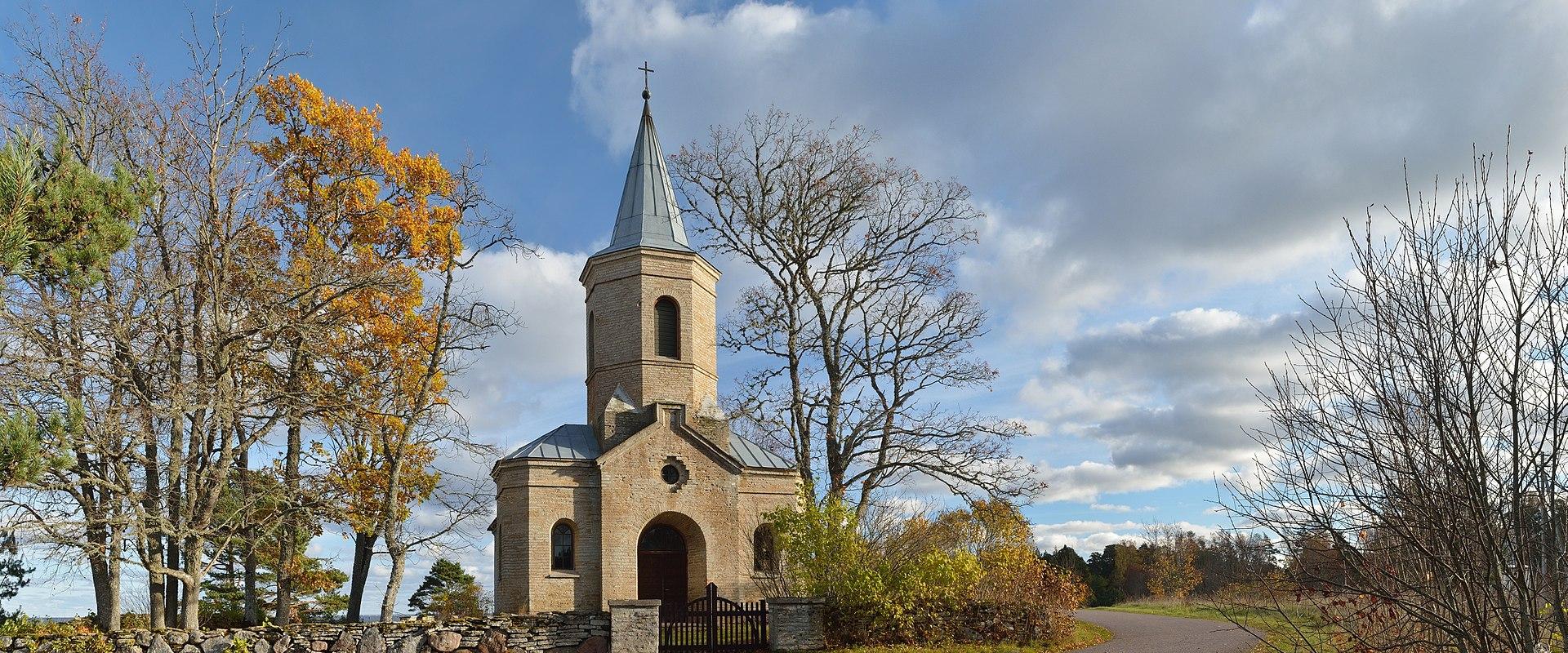
The beautiful Vainupea seaside chapel offers a place filled with silence and history, where time seems to stand still. The story of the chapel dates back to the 18th century, when the wooden chapel here was mentioned for the first time in 1741. The current sanctuary was completed in 1893 under the guidance of the local landowner Eduard von Dellingshausen.
After decades of silence, the Vainupea chapel came to life again in 1988 and was consecrated once more just a year later. The chapel has become a beloved concert venue and a special place for wedding ceremonies – with the sea nearby and nature all around.
The care of the chapel is taken by the Vainupea village society. Nearby, at the cemetery, rests the famous Estonian artist Richard Sagrits, whose birthplace is located in the neighboring Karepa.
Come and experience the seaside silence and peace – the Vainupea chapel awaits you!
The Neo-Renaissance manor was completed between 1856-1859.
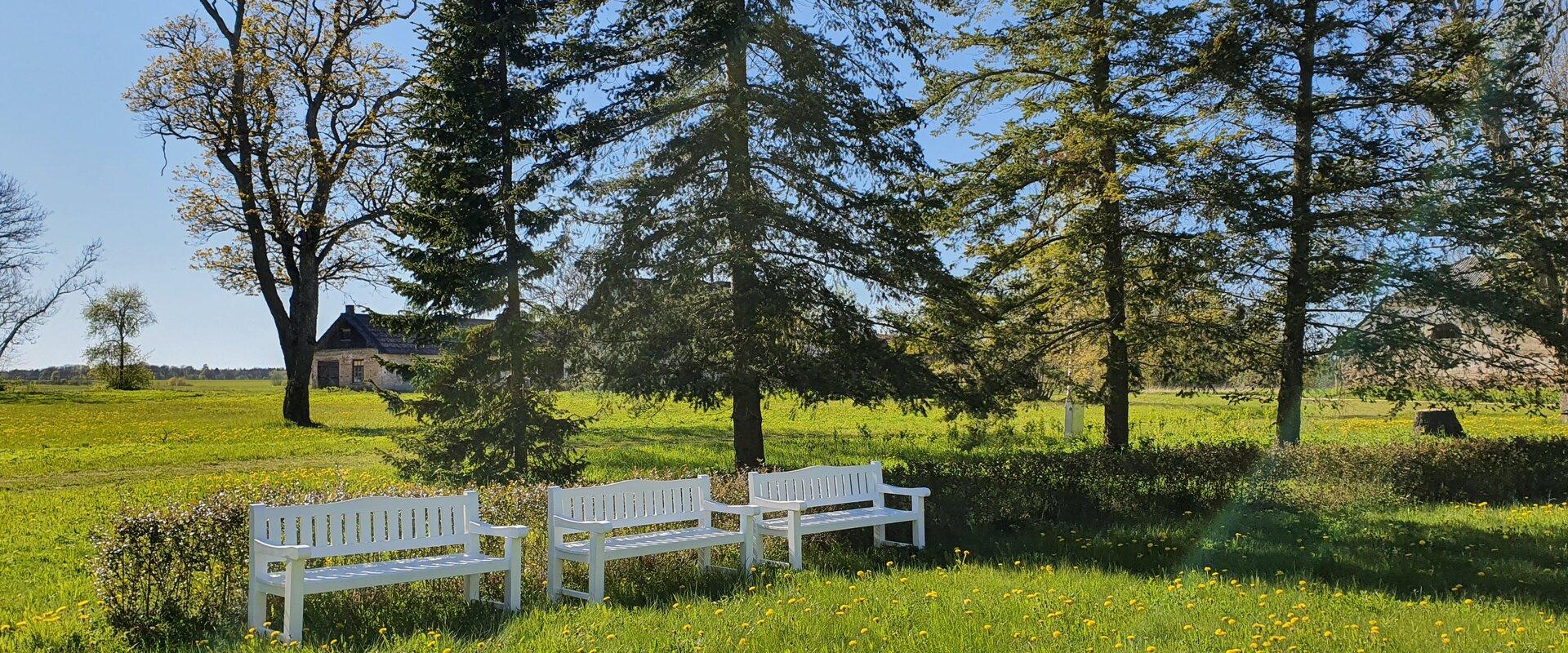
The manor house is surrounded by a nature conservation dendropark, which has been significantly renovated and supplemented with about 500 tree and shrub plantings in the last decade. Traditionally, a theater picnic will be held in the park this summer, taking place on July 5th.
In the summer of 2023, a series titled “The Possibility of Life in the Countryside” was filmed at the manor, where we can wander along its paths and discover filming locations.
On September 6th, we invite you to participate in the Lahemaa Flavors Festival.
The first written reference to Vihula Manor located in Lahemaa National Park dates back to 1501. At that time, the manor belonged to the Danish baron Hans von Lode.
The present Vihula was built during the von Schubert era between 1820-1880. Today, the renovated manor complex houses a prestigious restaurant and a luxurious spa and hotel. Concerts, conferences, receptions, and wedding celebrations are held here.
The manor garden is open for all interested visitors to stroll through. A hiking trail runs through the manor grounds. During the summer season, visitors can play mini-golf and observe animals in the manor’s eco-farm.