



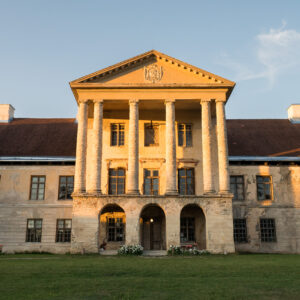
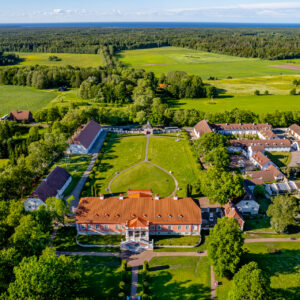
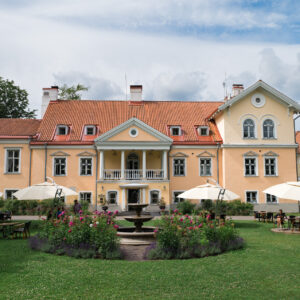
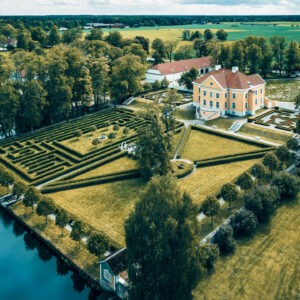
You can find the most outstanding works of Lahemaa’s architectural history in Kolga, Palmse, Sagadi, and Vihula. Estonia’s largest manor, Kolga Manor, which belonged to the Stenbock family, is still awaiting the skilled hand of a restorer to restore its former glory. However, in Palmse, Sagadi, and Vihula, the manors are available for viewing in their full splendor. There you will find the opportunity to stroll through well-maintained gardens and parks, and also experience unique manor interiors.
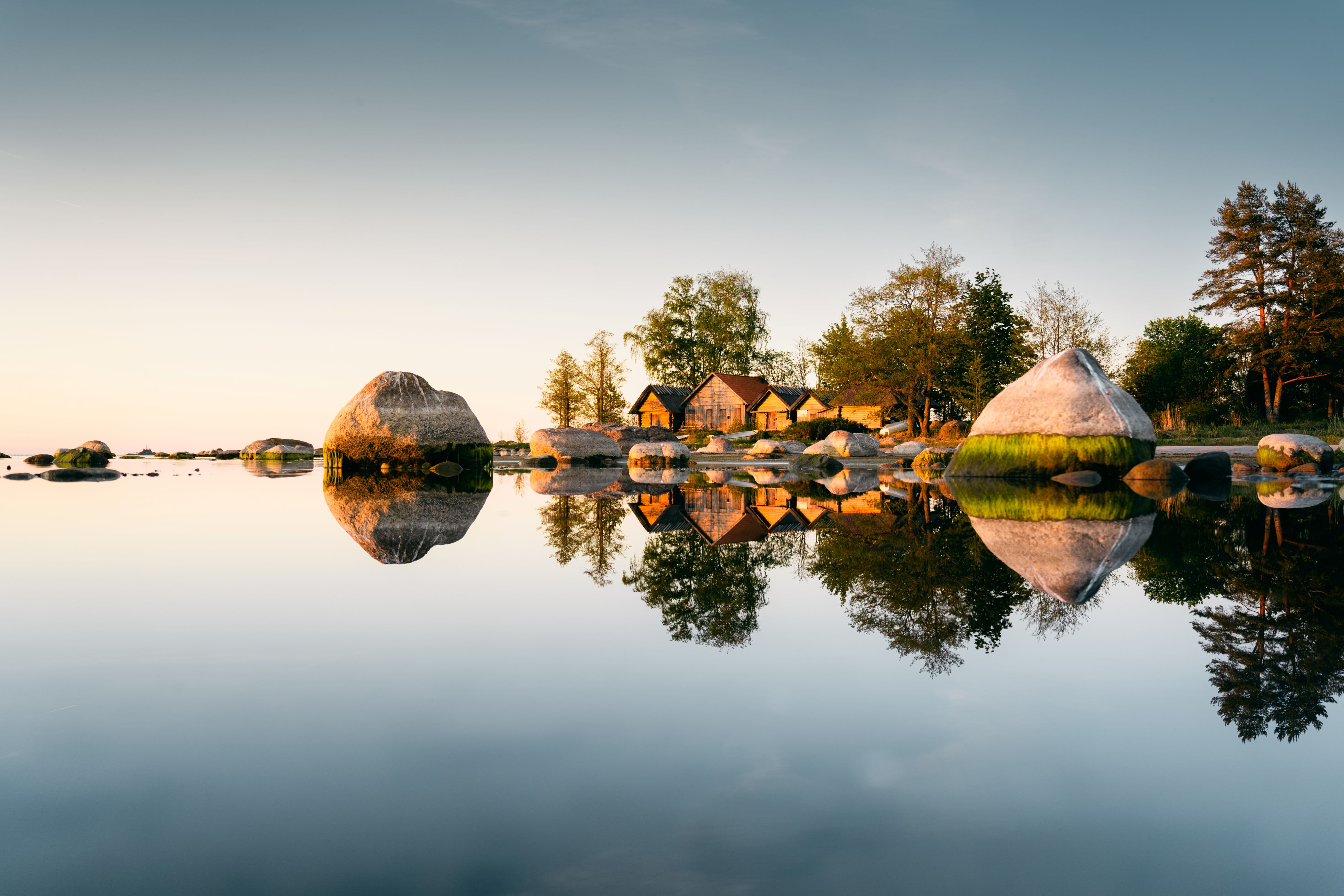
Altja is a typical fishing village, where the houses are located along a single village street.
The Altja fishing village, located in Lahemaa National Park, first appears in written sources in 1465. Today, you can see the typical fishing farms of Uustalu and Toomarahva from the late 19th and early 20th centuries in Altja. On the Altja peninsula, you can see restored net sheds. The village also has a swing area and a pub offering traditional dishes.
Interesting to know: Near the net sheds in the water is the Big Stone. The locals say that when storks brought children to the inland residents, the children of Altja village were brought from behind this stone. Therefore, the stone is also called Baby Stone.
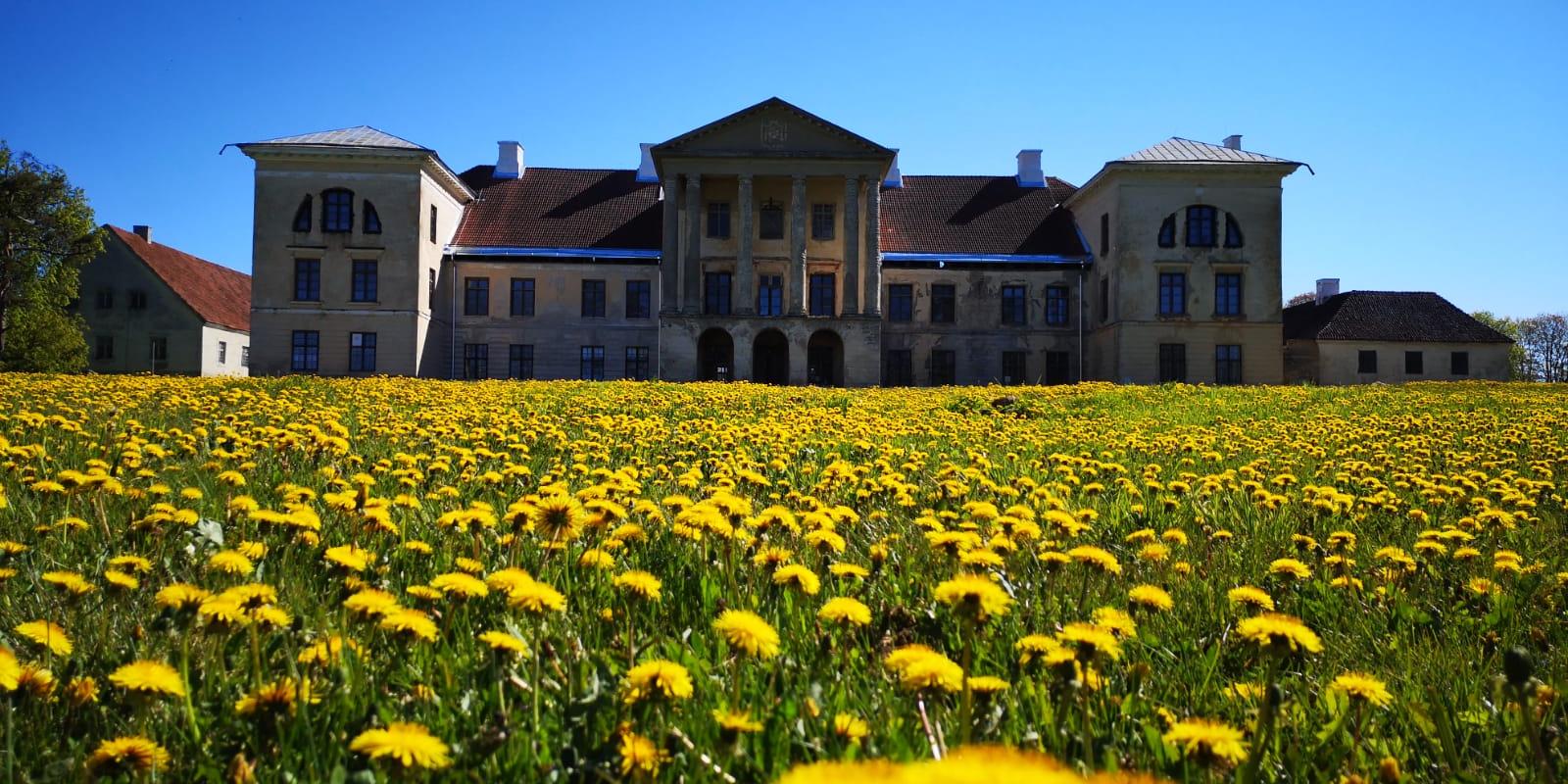
The guide for the day-long tour is René Meimer, who has been a passionate and versatile athlete from a young age and knows the Kolga-Juminda area like the back of his hand.
The tour starts and ends at Kolga Manor. Entrance to the parking lot is through the main gate.
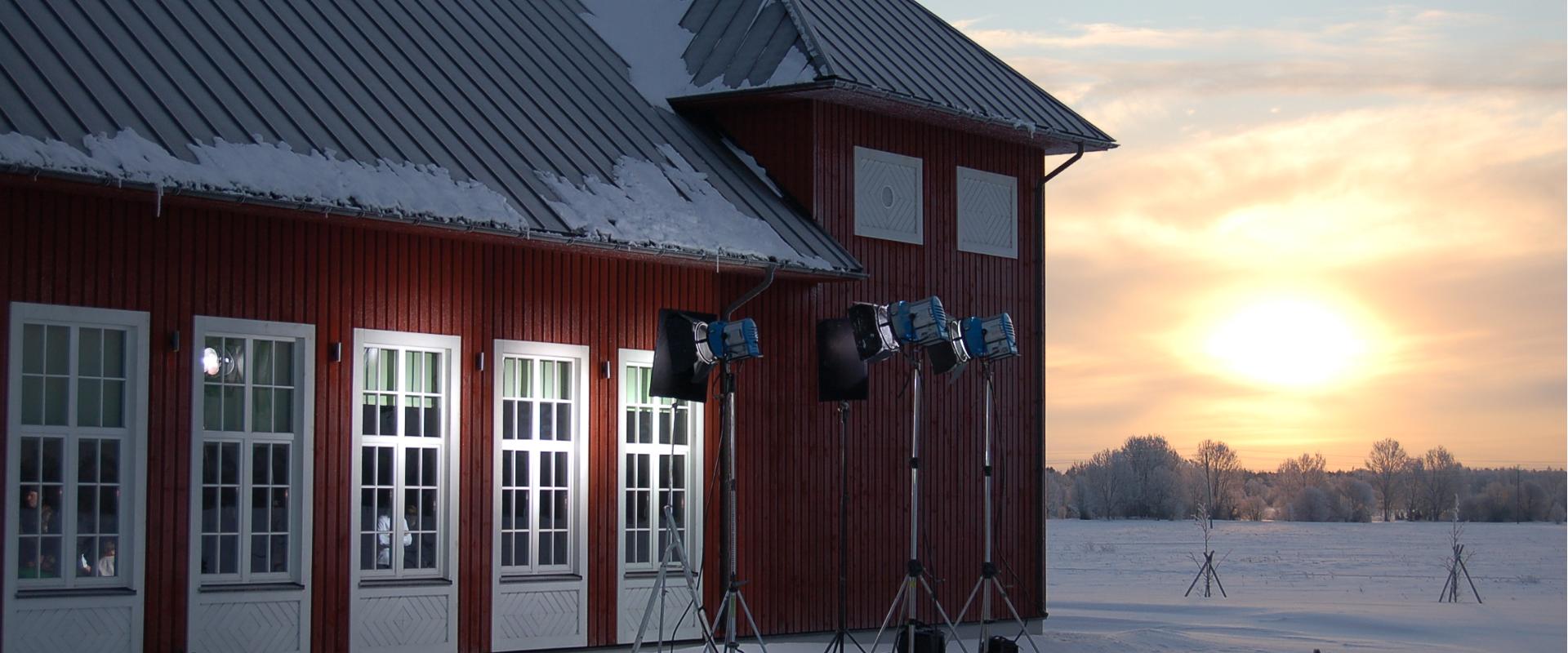
Did you know that the films “People in Soldier’s Shoes,” “Fire Water,” and “The Old and the Wobbly Get Their Feet Under Them” were all filmed in Kolgaküla, the Hollywood of Harjumaa? On a two-hour nature and film tour, a local guide reveals an exciting worldview about why Kolgaküla has been one of Estonia’s most popular filming locations for years. We will walk through the beautiful nature of Lahemaa National Park, visit filming locations, and hear colorful local stories about how the films actually came to be.
The 2.5 km long tour starts from the Kolgaküla community center and follows a pleasant forest path. The hike is suitable for families and can be navigated with a stroller designed for outdoor use.
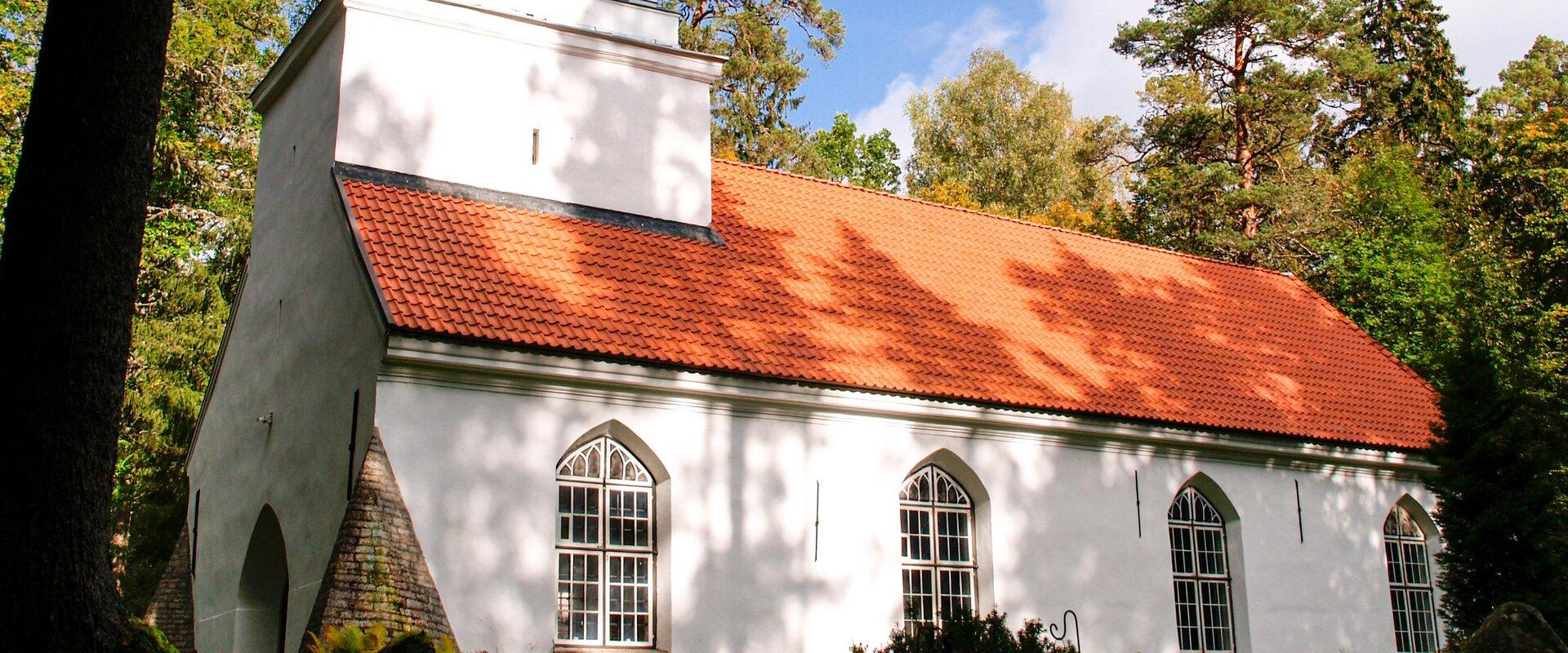
Located in the forests of Lahemaa, the Esku chapel was built in 1845 by the Sagadi estate owners von Fock. The chapel was intended as a burial place for the Sagadi estate owners’ family and the estate’s peasants.
The Esku chapel yard became a cemetery under the authority of Baron Paul Eduard von Fock, the likes of which cannot be found elsewhere in Estonia. The uniqueness of the cemetery lies in the wooden crosses and the small, unique iron stone grave slabs found there. Next to the cemetery is a beautiful grove where the Altja stream flows.
In the modestly decorated chapel, there are 300 seats. The altar painting was created by the Munich artist J.C. Koch.
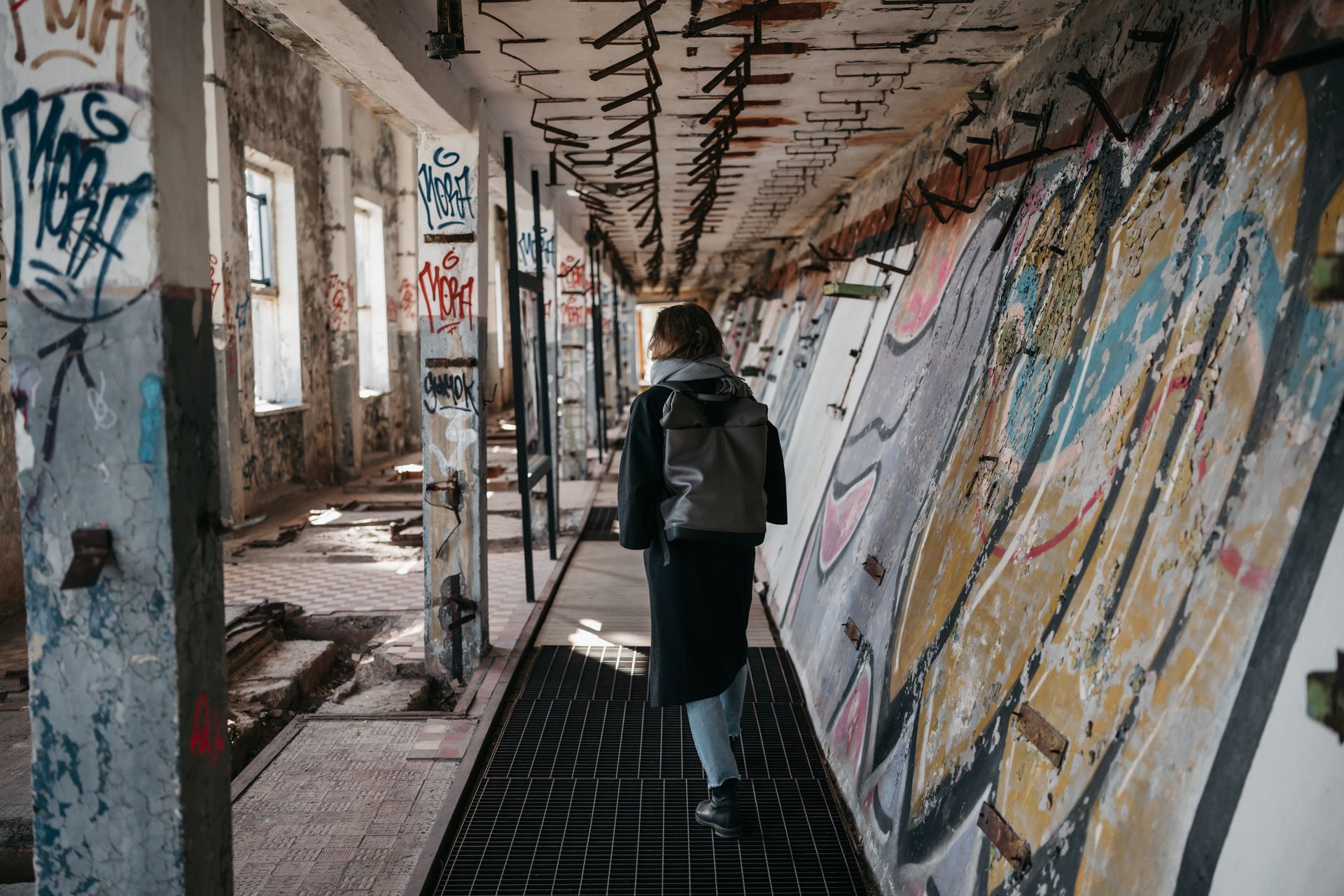
The tour is an active adventure at the Hara submarine base and its surroundings, suitable for adventurers of all ages.
The guide will take you on an exciting journey back to the Soviet era, during which you will hear interesting stories about the lives of soldiers. You will also discover why the Hara submarine base was so secretive and has become quite mystical today. And most importantly – you will learn what demagnetization was. A great opportunity to also visit the photo exhibition “The Mysterious Harbor”.
After the tour, there is an option to dine at the harbor restaurant or the pizza café Naga Pizza. It’s worth checking out the local souvenirs, and if you wish to stay longer, you can find both accommodation and sauna experiences with us.
The tour takes place outdoors!
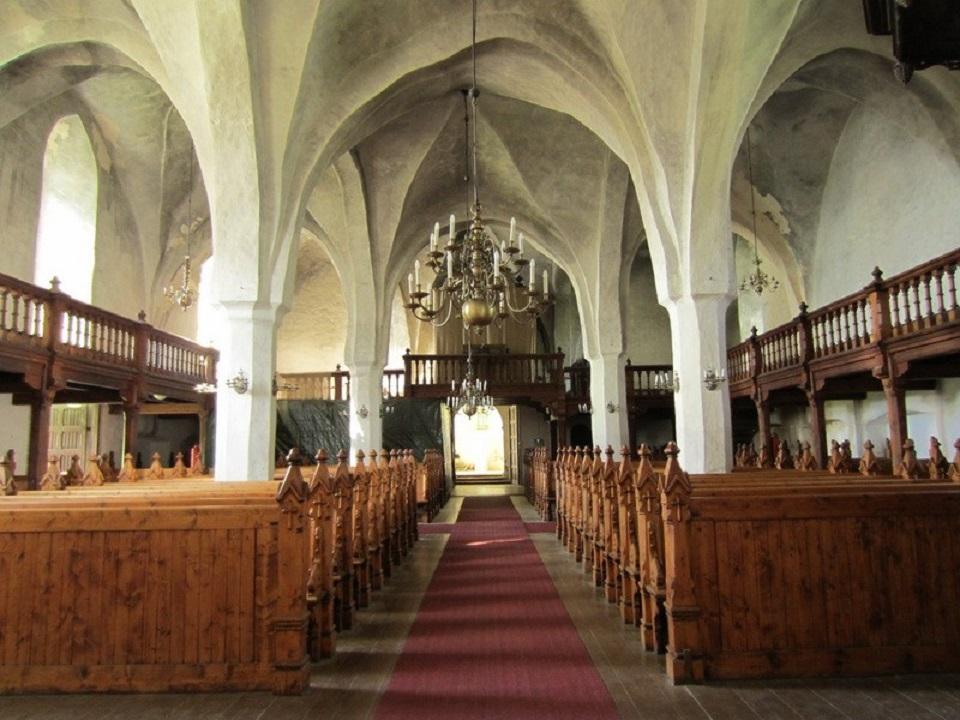
Haljala St. Mauritius Church was completed by the end of the Middle Ages as a massive fortress church. The powerful eight-story bell tower with shooting holes testifies to its defensive purpose. The church has suffered during the beginning of the Livonian War in 1558 and also in the Great Northern War in 1703. The church tower has also been set on fire multiple times by lightning. The tower’s spire took its current shape in 1865.
Noteworthy in the interior is the pulpit with twisted columns made by J.V. Rabe in 1730, which was gifted to the church by the Wrangell family.
Good to know: The son of the local vicar Karl Willem Johanson, Herbert Voldemar Johanson, designed the Riigikogu building in Toompea in 1922.
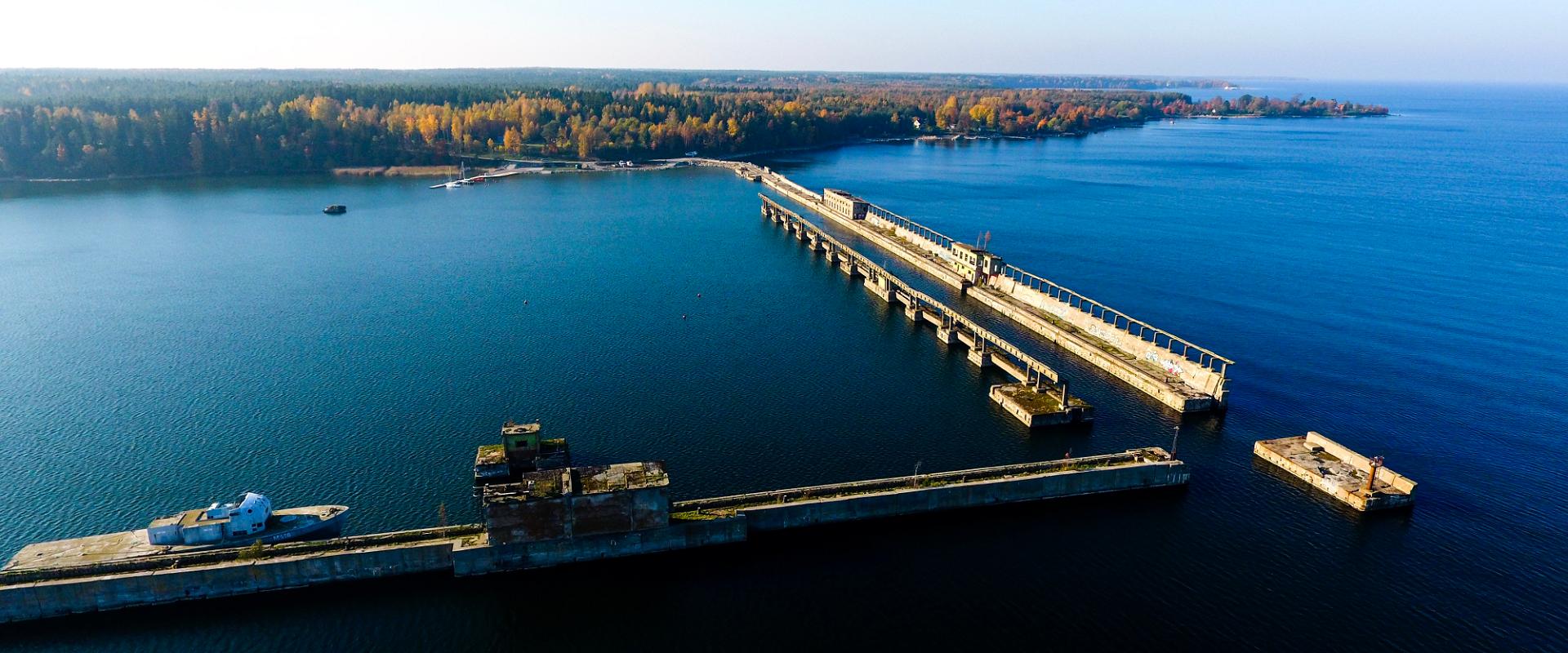
At the intersection of nature and military history in Lahemaa National Park lies the Hara Harbour Submarine Base – a unique place that takes you straight back to the Cold War era. In the secret demagnetization station of the Soviet Navy, the hulls of ships and submarines were made invisible to magnetic mines. Today, poignant concrete ruins stand here, slowly being reclaimed by nature, creating a mystical atmosphere.
At the pier, you can explore an exhibition that tells the story of Hara Island, the border guard, and the military, and also recalls the legendary sailing ship Tormilind that was built here. You can walk through the ruins of the base and discover the history of Hara Harbour for yourself, while guided tours reveal even more fascinating stories about the secret life and the technology used at the base.
In addition, Hara Harbour offers accommodation, catering, and active activities both at sea and on land, making your visit a complete experience. Step into a world steeped in history, where every step brings you closer to the beauty of nature and the mystery of a military past.
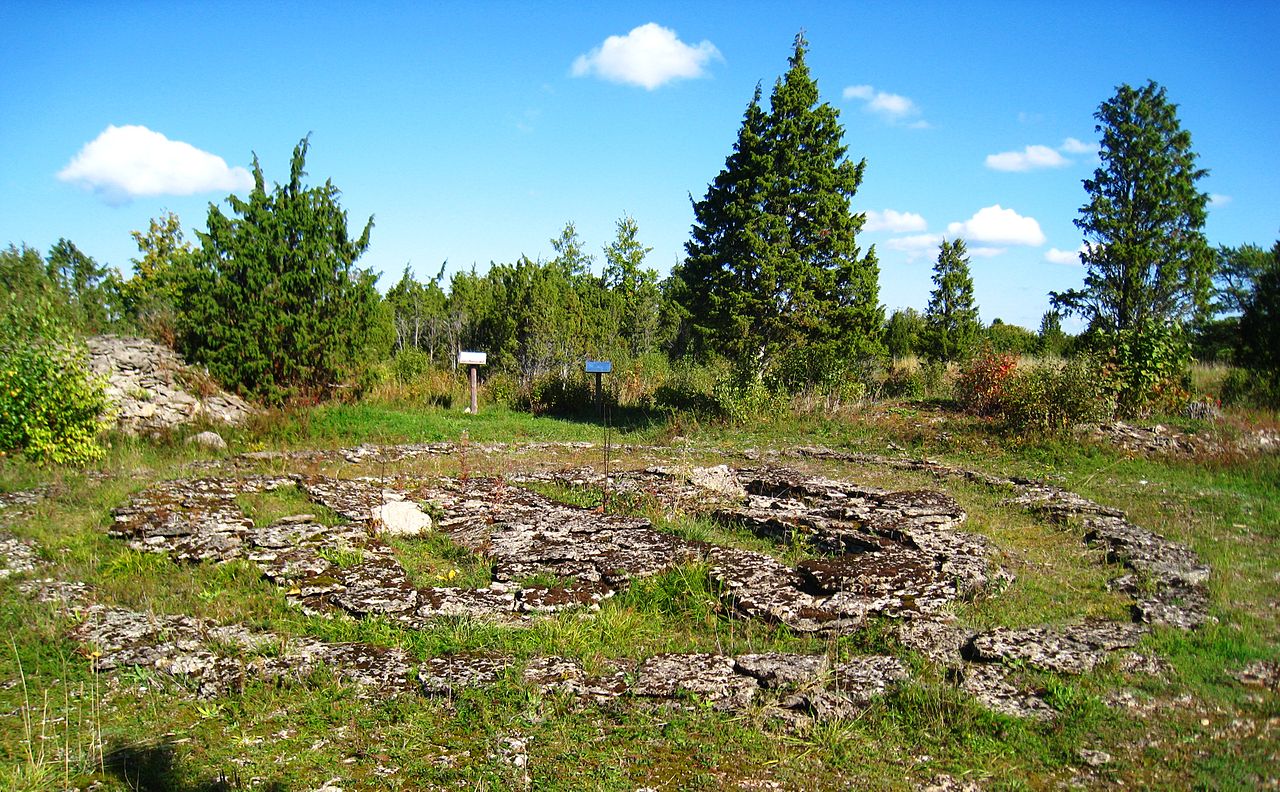
The stone cist grave group is located southeast of Muuksi village on the northern shore of Lake Kahala.
Hundikangrute group consists of 85 stone cist graves situated on a high sandy area, today obscured by a bog forest that blocks the view of the graves towards the lake. Primarily found in northern and western Estonia, stone cist graves are key monuments that help penetrate the life and times of early metal age society.
Interesting to know: The densest part of the grave field is known by the name Hundikangrute. The practice of creating graves from stone heaps is a burial custom originating from Scandinavia, which began in the Bronze Age in the Estonian territory and lasted until the end of the Middle Ages, thus for over 2000 years.
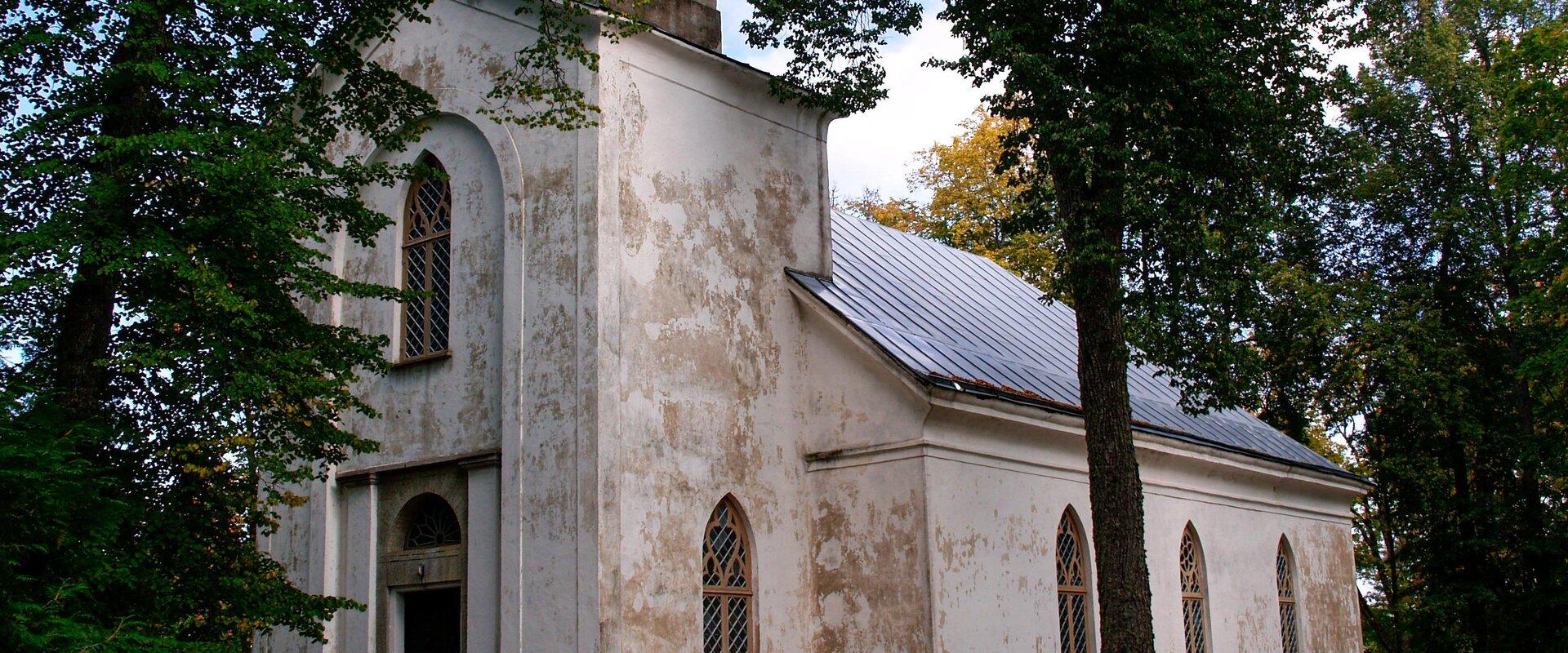
Ilumäe Chapel, located in Lahemaa National Park, was built by the Palmse manor lord Carl Magnus von der Pahlen between 1814 and 1843. Previously, there was a wooden chapel here, the furnishings of which have also been preserved in the new chapel (for example, the baroque altar wall).
The windows of the chapel are adorned with small stained glass from the Pahlen family and the wealthier peasant farmers and manor officials of Palmse. At the cemetery, you can see wrought iron crosses made by local blacksmiths and stone crosses carved by local stonemasons. In the fenced-off section of the cemetery, members of the Pahlen family are buried.
Since 2006, extensive construction and restoration work has been carried out in the chapel.
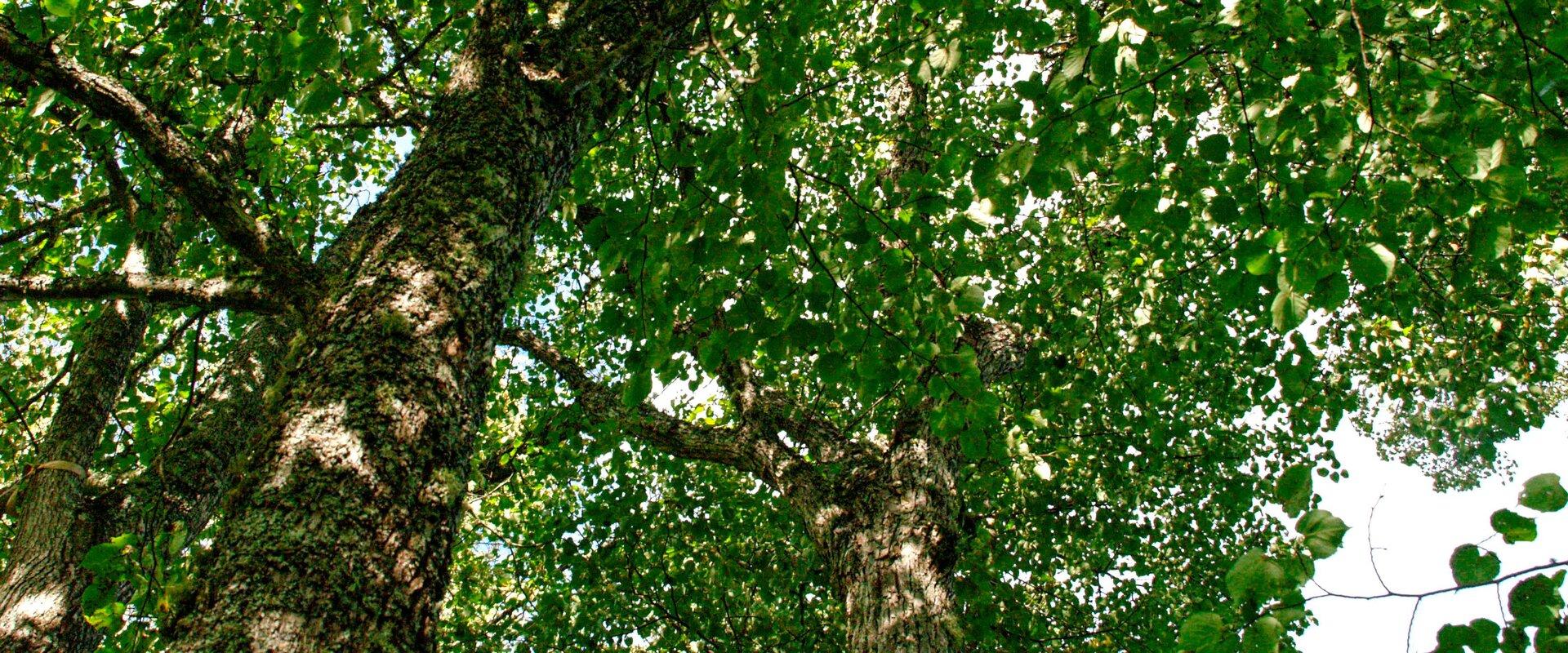
Ilumäe Hiieniinepuu is a large sacred lime tree, which is one of the few remaining sacred trees in Lahemaa National Park. The age of the sacred tree is estimated to be between 300 and 452 years.
On the sacred tree, which is under nature and heritage protection, we can see ribbons – connections left by wedding guests and other admirers of the tree. According to local memories, gifts were still brought to the tree in the early 20th century. People believed that if they brought something good to the tree, they would also have good fortune.
From under the tree flowed the Silma Spring, whose water was used for treating eyes. Today, the spring has dried up.
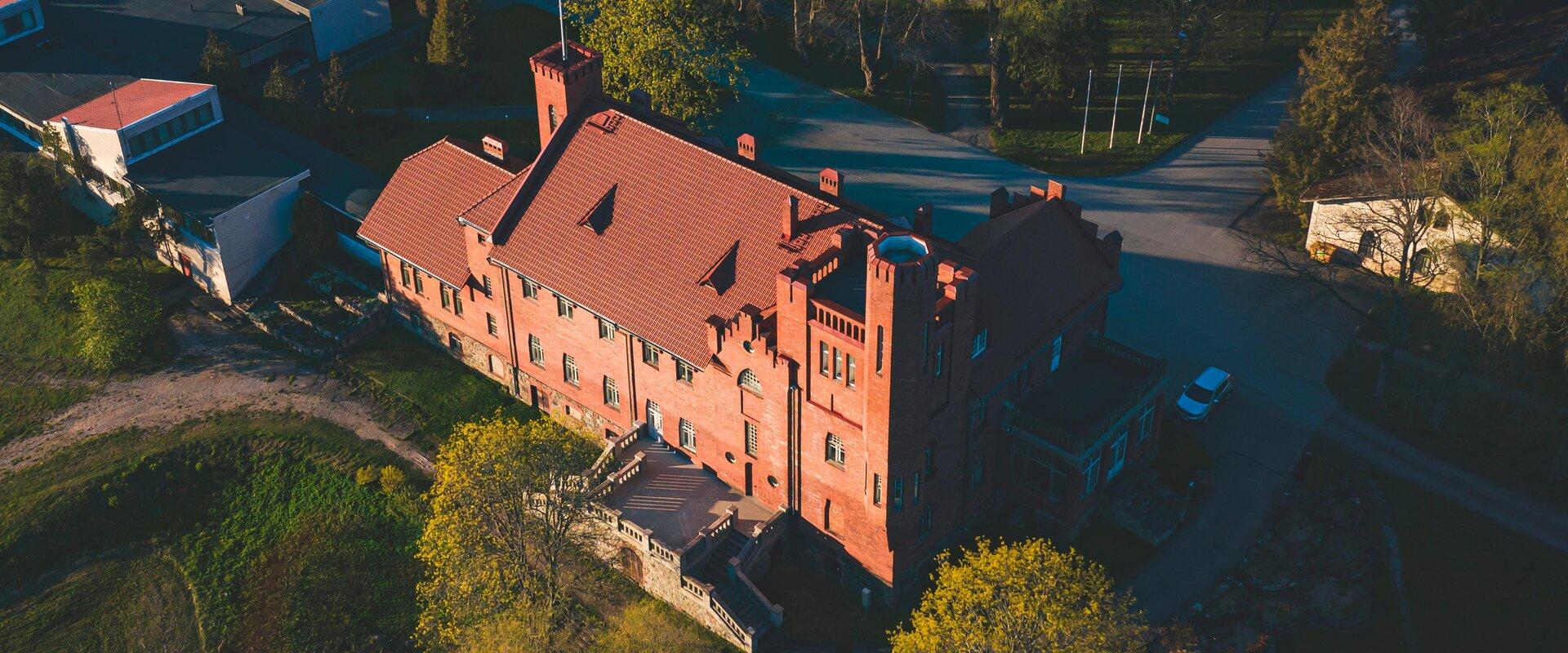
Jäneda village (in German Jendel) was first mentioned in 1353. The current manor house was built by Johan von Benckendorf between 1913 and 1915. The castle-like building, with its two slender and tall towers and dense arrangement of windows, is inspired by medieval fortresses.
The history of the manor has been written by Mrs. Maria Zakrevskaja Benckendorf through her adventurous life: connections to the assassination attempt on Lenin, life with famous writers Maxim Gorky and Herbert Wells.
Good to know:
– the manor is viewable from the outside daily
– groups can pre-order visits to the manor and museum in Estonian, Russian, Finnish, German, and English
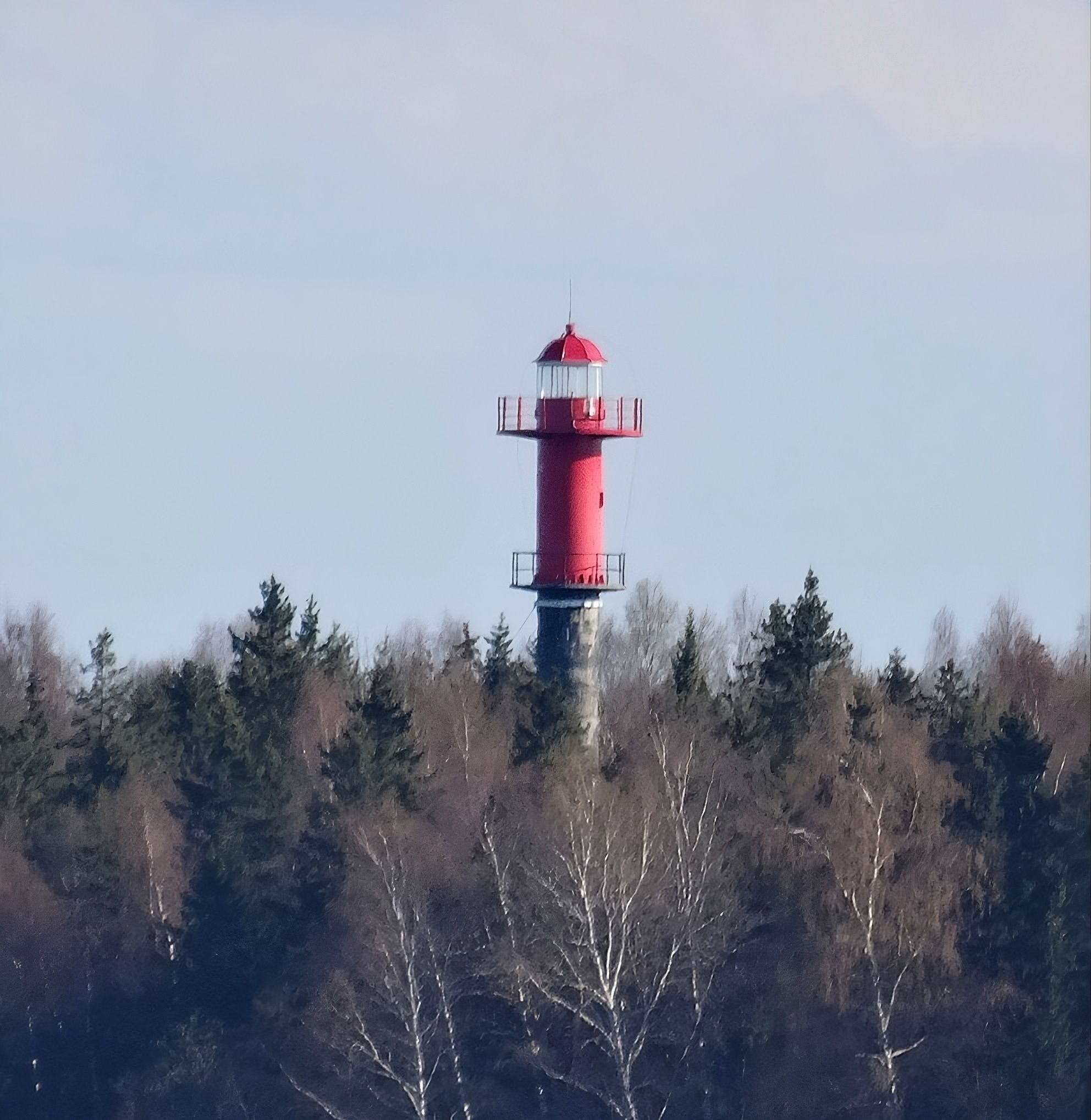
The Juminda Lighthouse takes you to a place on the coast of Lahemaa National Park where the sea, military history, and folklore meet on a narrow peninsula. The lighthouse, located in the northern part of the Juminda Peninsula, helps ships navigate near the Lahemaa coast and is an important landmark both from the sea and the land. The first lighthouse was built here in 1937, and the tower reached its current height and shape in 2006.
The Juminda Peninsula is much more than a beautiful seaside stop. During the Soviet era, a strictly guarded missile base operated here, and the area was closed to regular visitors. At the tip of the peninsula, the tragic Battle of Juminda took place in August 1941, which is considered one of the deadliest naval battles in the world. The place is also associated with the Estonian national epic “Kalevipoeg,” where the Juminda Peninsula is mentioned several times.
The lighthouse can only be viewed from a distance, but the peninsula’s beaches, memorial sites, and nature-rich paths offer exploration for an entire day.
Come enjoy the stories and sea views of the Juminda Peninsula!
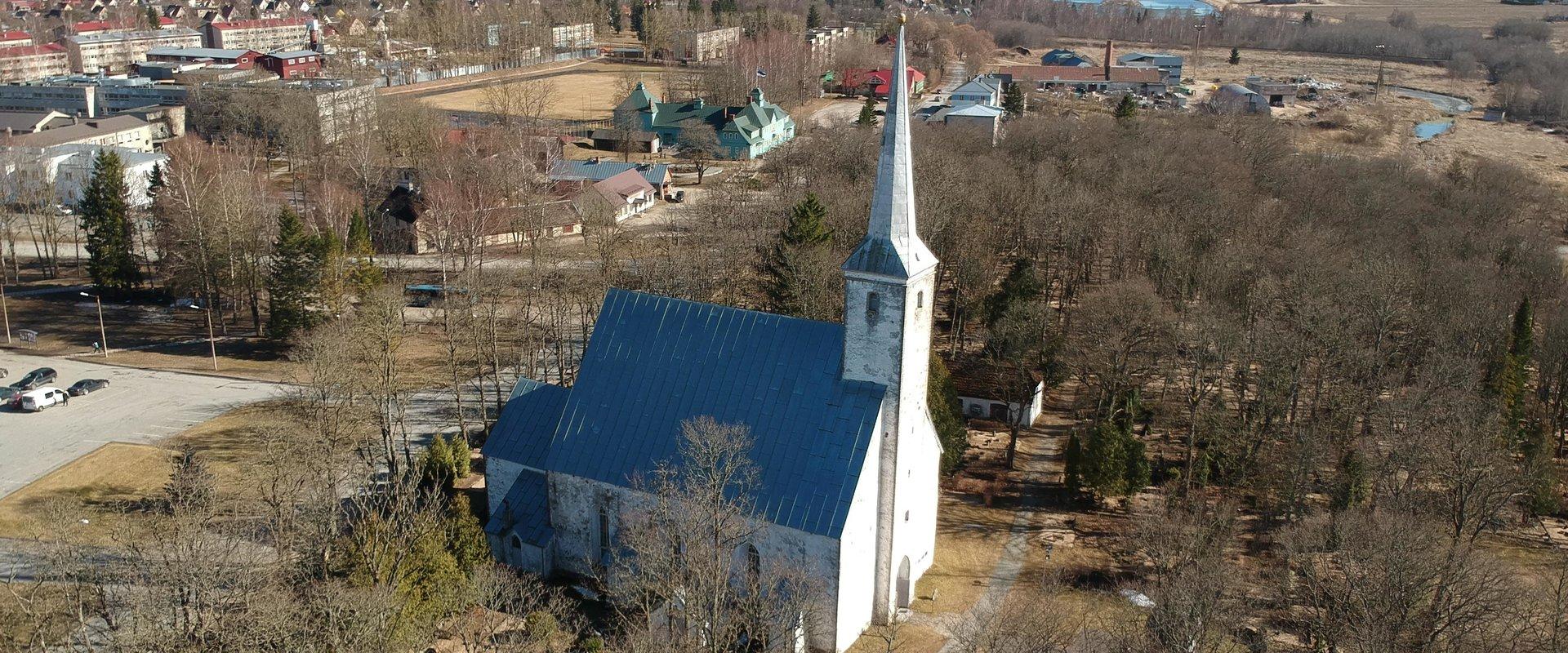
Kadrina Katariina Church is a sanctuary built in the 15th century.
Thick walls and the vaults suggest that the church also had a defensive function. Among the older furnishings of the church, a noteworthy item is the almost life-sized wooden crucifix of Christ brought from Germany in 1490. This is the only item that has survived to this day and is approximately as old as the church building itself.
The current organ of the church was purchased in 1895 from St. Petersburg.
Interesting to know:
– there is a War of Independence memorial stone in the churchyard
– you can order to listen to organ music in the church (Külli Erikson, tel. 53420723)
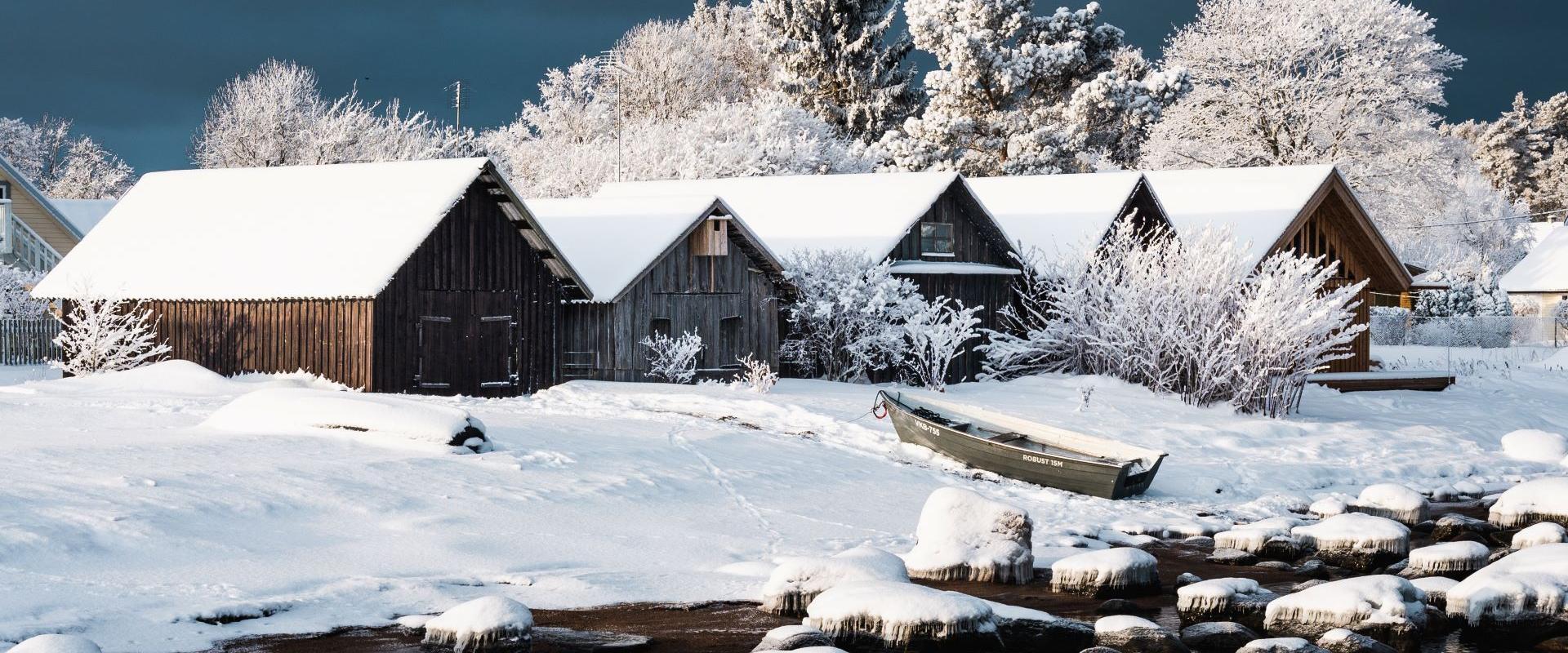
The first data about the village of Käsmu located in Lahemaa dates back to 1453. Käsmu is known as the “village of captains.” A maritime school operated here, and almost every family had its own captain or helmsman. The village is characterized by white captain’s houses and tall flagpoles.
The village is known for its numerous cultural monuments. A good overview of its history can be found at the Käsmu Maritime Museum.
Currently, Käsmu is a popular holiday destination where you can rejuvenate your spirit by walking on the beach, hiking on educational trails, enjoying concerts, or exploring attractions. In summer, take a trip to the nearby Saartneeme, which is also known among the locals as Devil’s Island.
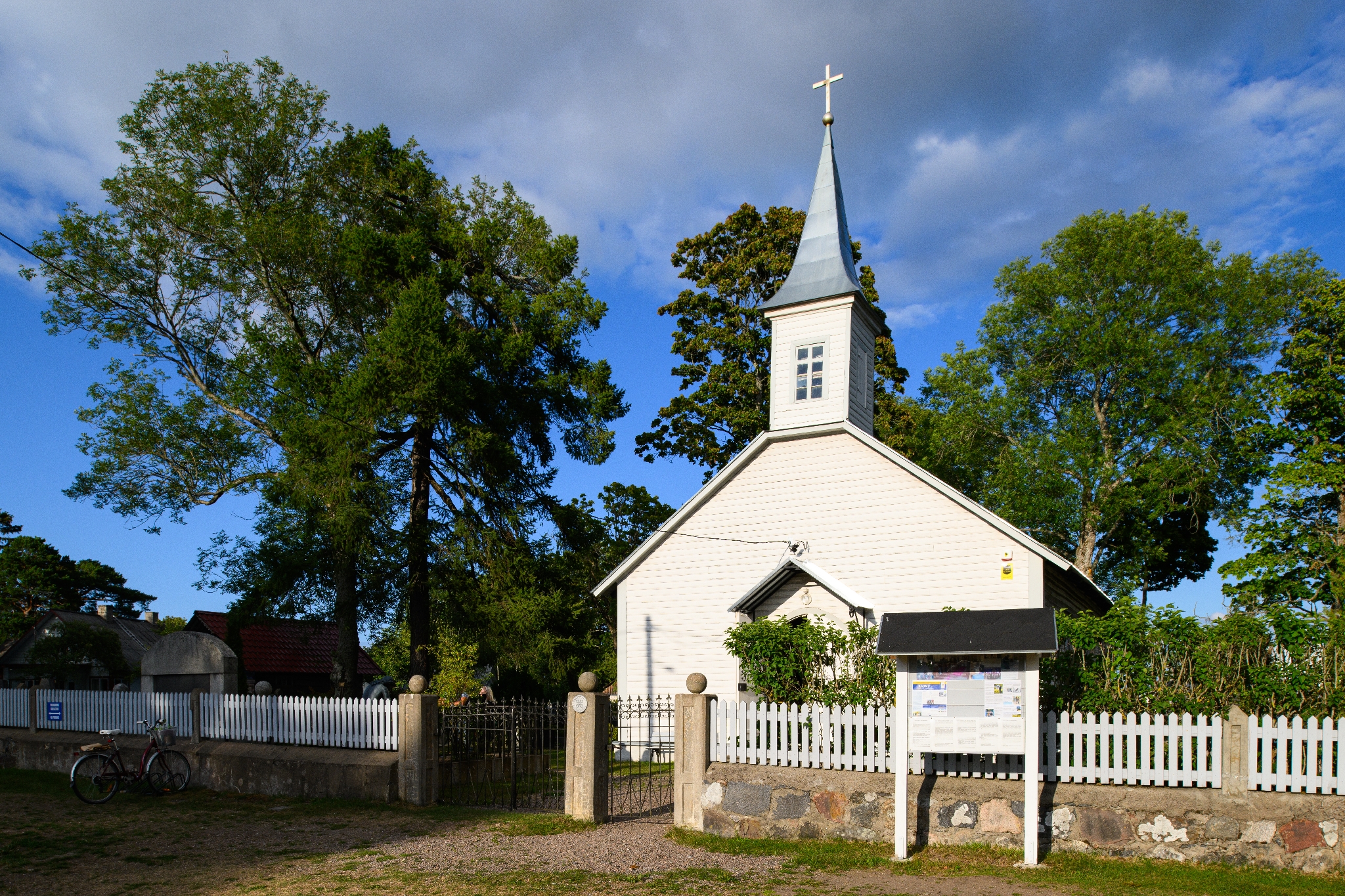
Käsmu chapel is a wooden chapel built in 1863 with the money of the villagers. The pride of the chapel is one of the oldest organs in Estonia, which originates from the Swedish-Mihkli church in Tallinn. The organ was likely built by the organ master Johann Andreas Stein in the late 18th century.
The cemetery surrounding the chapel has also brought fame to the village as the final resting place of captains. From the cemetery, one can find one of the most beautiful grave monuments in Estonia, which was erected in memory of Captain Tiedemann’s young deceased favorite daughter, Signe.
Nearby is the cast-iron General’s chapel, which was established in 1846 in memory of General Nikolai von Dellingshausen, who was the first to discover Käsmu as a holiday destination.
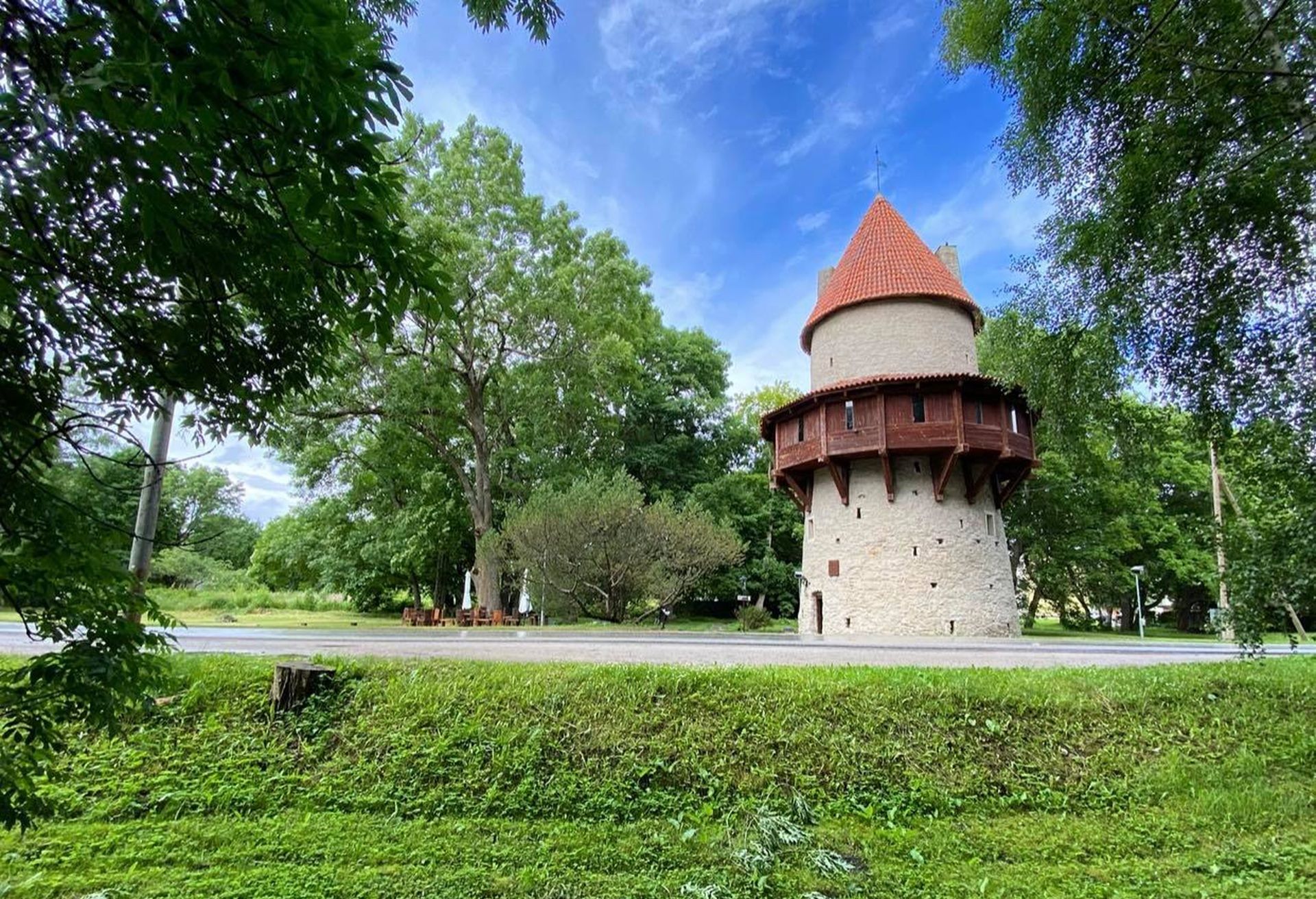
The medieval Kiiu Tower was completed presumably in the early 16th century and is located in the Kiiu manor park.
This former tower residence is the smallest preserved medieval fortification in the Baltic States. The tower has four floors, with wall thickness of 1.8 meters and an internal diameter of 4.3 meters. The narrow windows served as shooting openings, while the circular balcony functioned as a defensive walkway. In case of war, only the second floor was used as living space, while the rest was for defensive purposes. Unique in the Baltic States is the exceptional defensive walkway supported by beams surrounding the third floor.
From a distance, the defensive structure resembles a Dutch windmill and was restored in 1974.
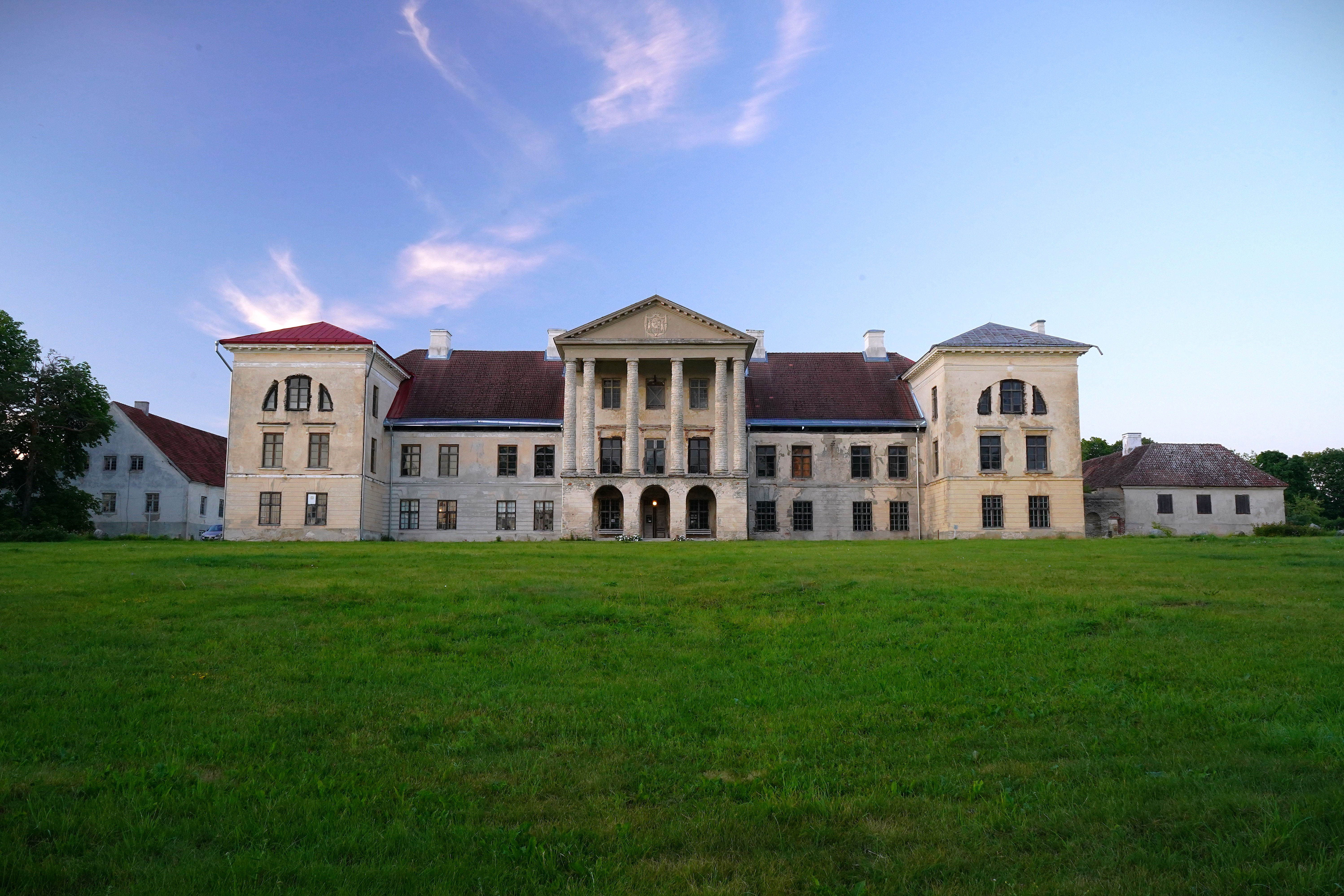
Kolga Manor is one of the largest and historically most significant manor complexes in Estonia, located in the western part of Lahemaa National Park.
In the main building, you can sense the aura of history. According to the first records, Kolga Manor belonged to the Cistercian order in the 13th century. The current exterior shape of the manor’s main building was achieved in the early 19th century when the previous building was remodeled into a neoclassical palace. Although some of the buildings are still unrenovated, the manor complex still leaves a grand impression.
The manor is privately owned. You can visit the main building by appointment, during events, and on guided tours. Next to the manor’s steward’s house, you will find the Kolga Museum.
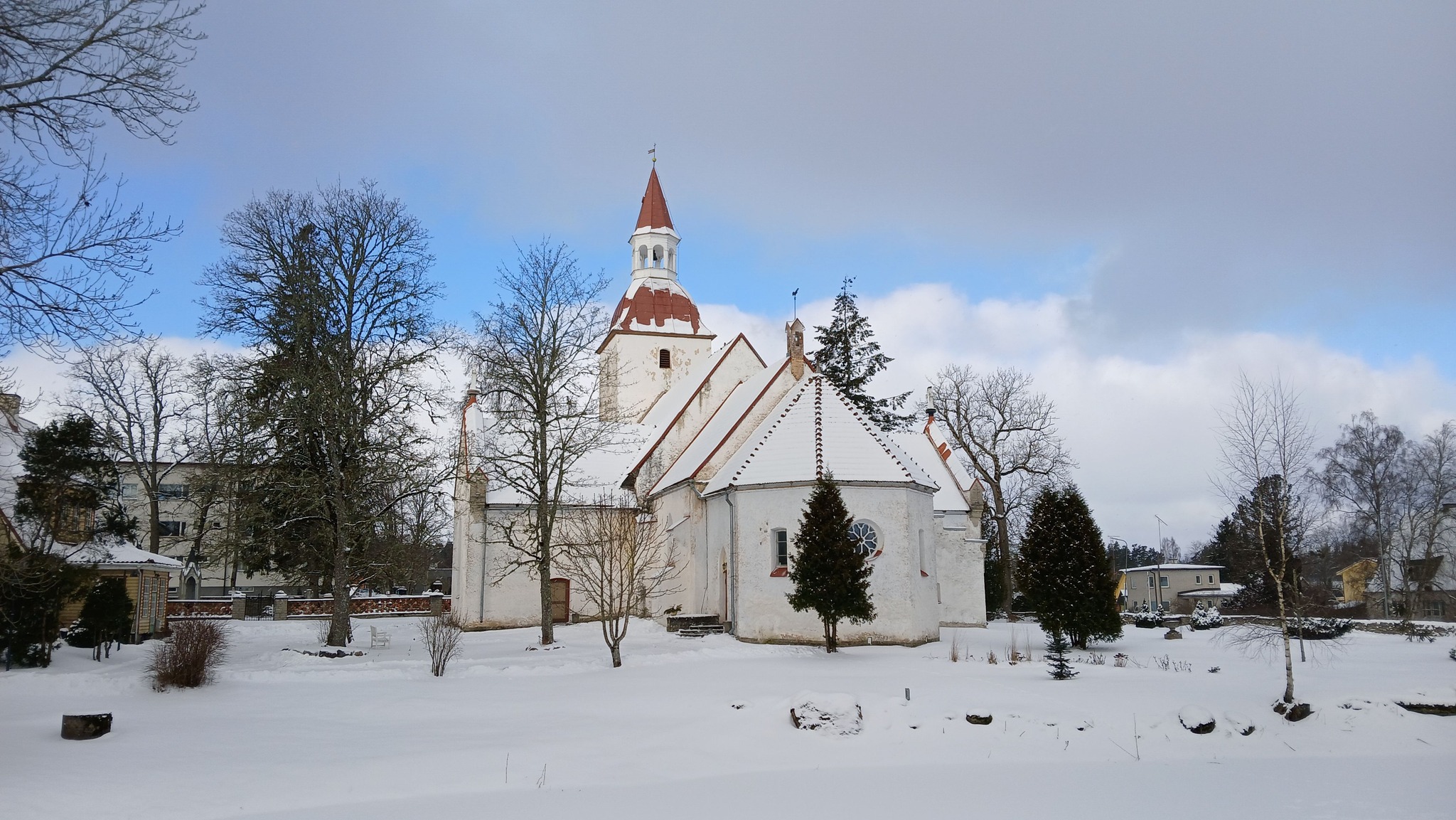
The Kuusalu St. Lawrence Church is one of the oldest and most prestigious stone churches in Northern Estonia, with its roots tracing back to the late 13th century. The sanctuary is dedicated to the archdeacon martyr Lawrence and was established under the guidance of Cistercian monks who came from Gotland, building the church near holy springs and the borders of their estates. True to their style, a simple yet grand design was followed in the construction, which is why the church remains an impressive example of medieval sacred architecture even today.
The interior of the church features remarkable artistic heritage from several centuries. In addition to the pulpit, altar, and tower bell, there are magnificent chandeliers from the 17th century, tin communion vessels, candle holders, and a gilded brass lectern. Rare finds adorn the interior, including portraits of Luther and Melanchthon in stained glass, hinting at the spiritual influence of the Reformation in this region as well.
Kuusalu Church is a place where history and spirituality intertwine, offering visitors the opportunity to experience centuries of heritage.
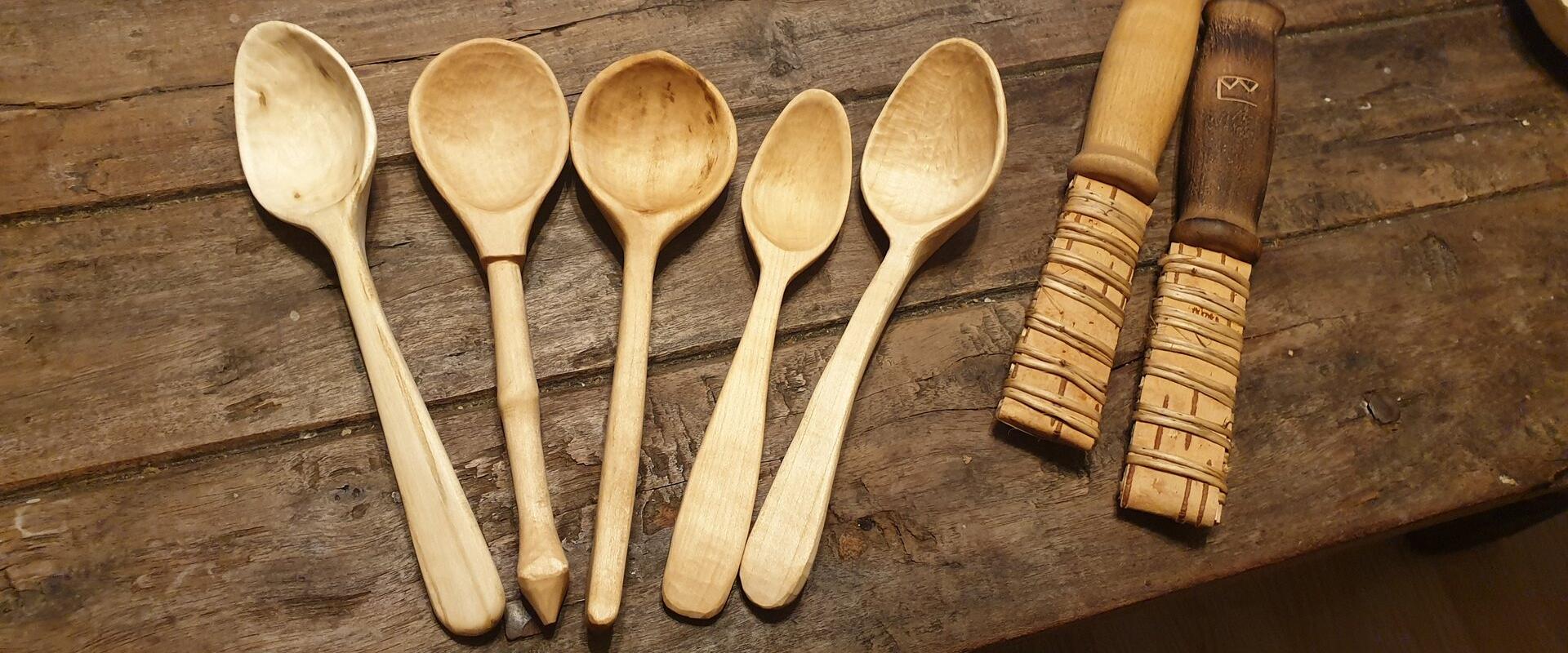
Lahemaa Heritage House preserves, cultivates, promotes, and passes on our cultural heritage through attitude, training, events, and lifestyles.
During your visit to the Heritage House, you can pet and feed sheep, learn about our story, sit in the smoke sauna, craft, and participate in old rituals. In the national craft workshops, you can create simpler or more complex items from wood, wool, or other materials under the guidance of skilled masters. You can use our smoke sauna and, if desired, we also organize experiential catering over a fire.
Children are also very welcome here. Come visit us or invite us to your place!
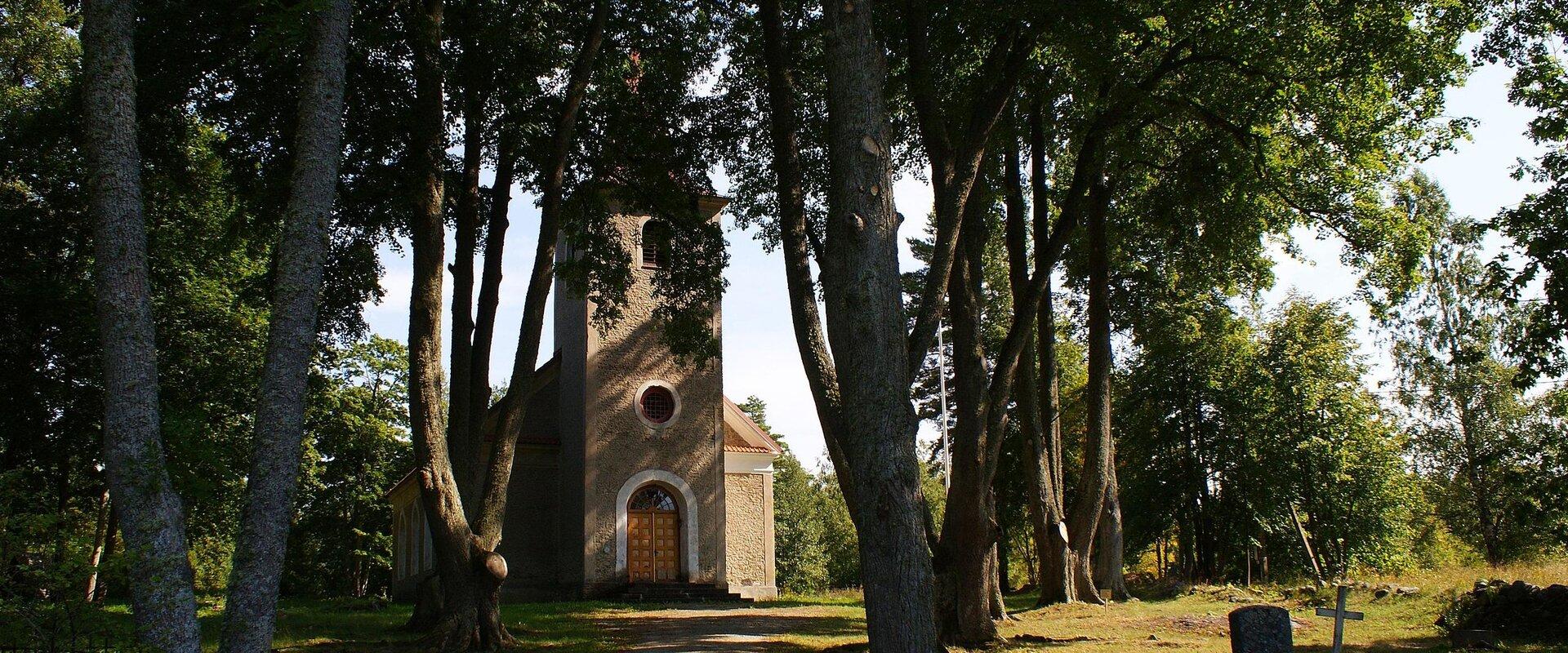
On the Juminda Peninsula in Lahemaa National Park, the fishermen’s stone church and cemetery is simple and has an archaic spatial feel, nestled under ancient linden trees. The colorful figures on the pulpit feature early Baroque carvings from the old Harju-Jaani church dating back to 1646, and the restored glass chandelier, ancient money box, and a model of Mart Paadimeister’s sailing ship from 1920 are a delight to the eye.
Today, the church hosts an evangelical Lutheran congregation. Services are held twice a month on Sundays.