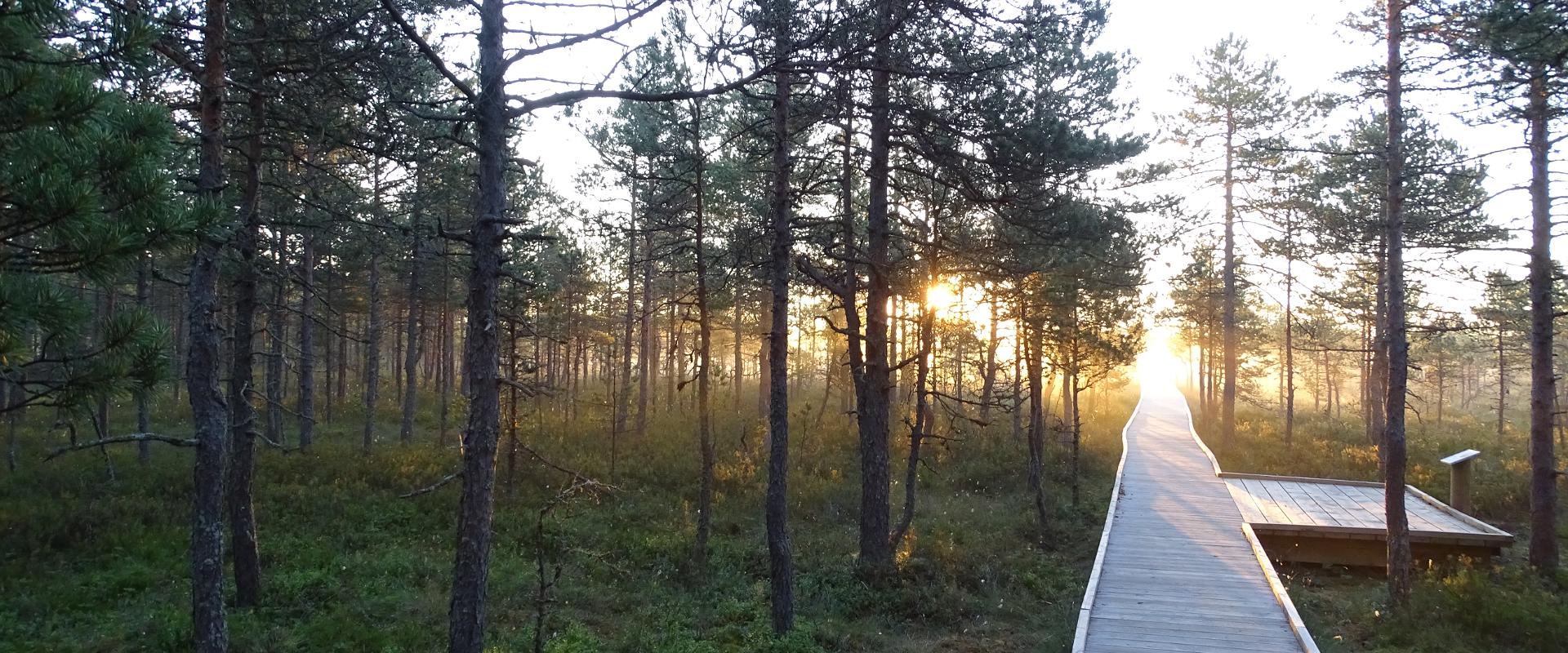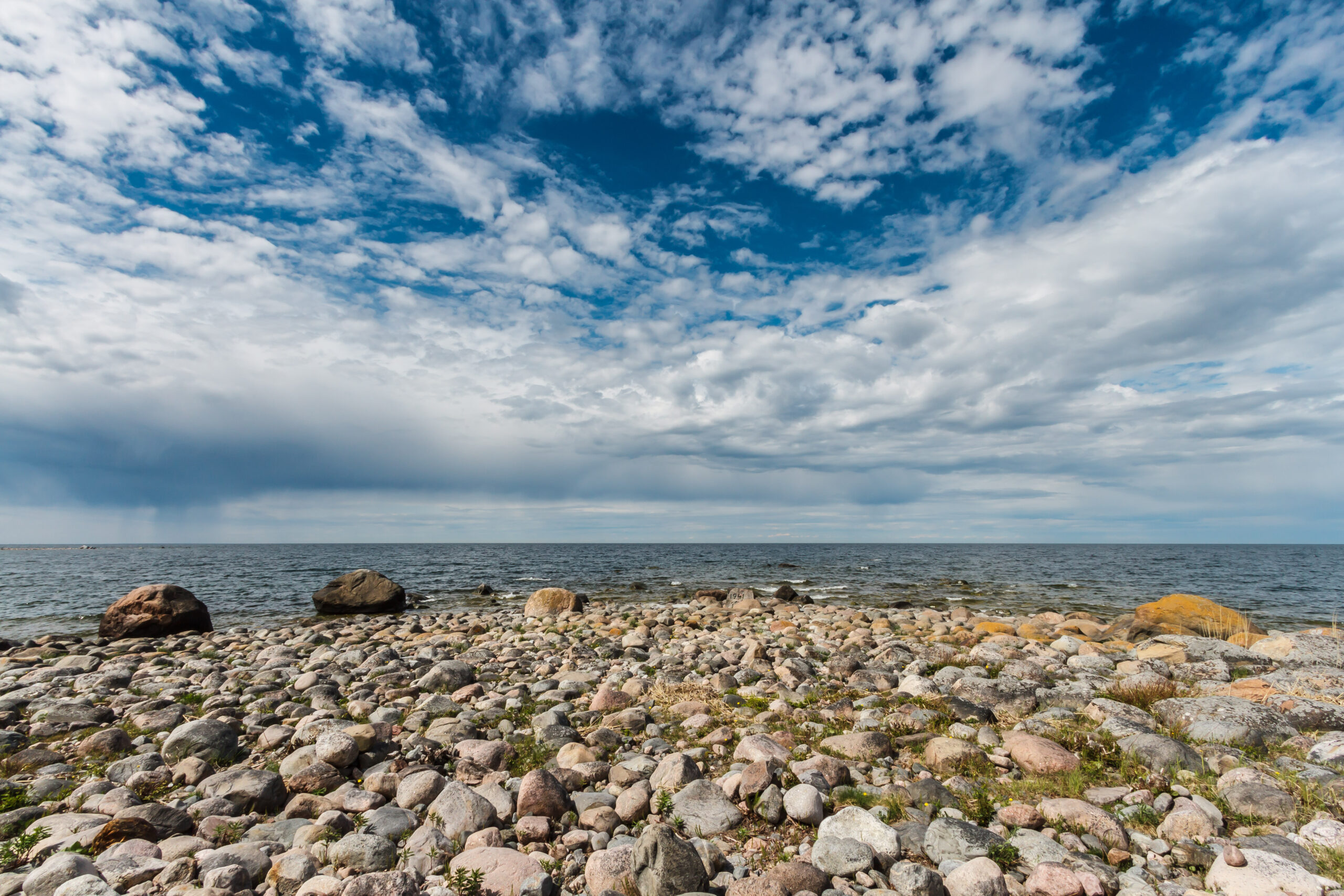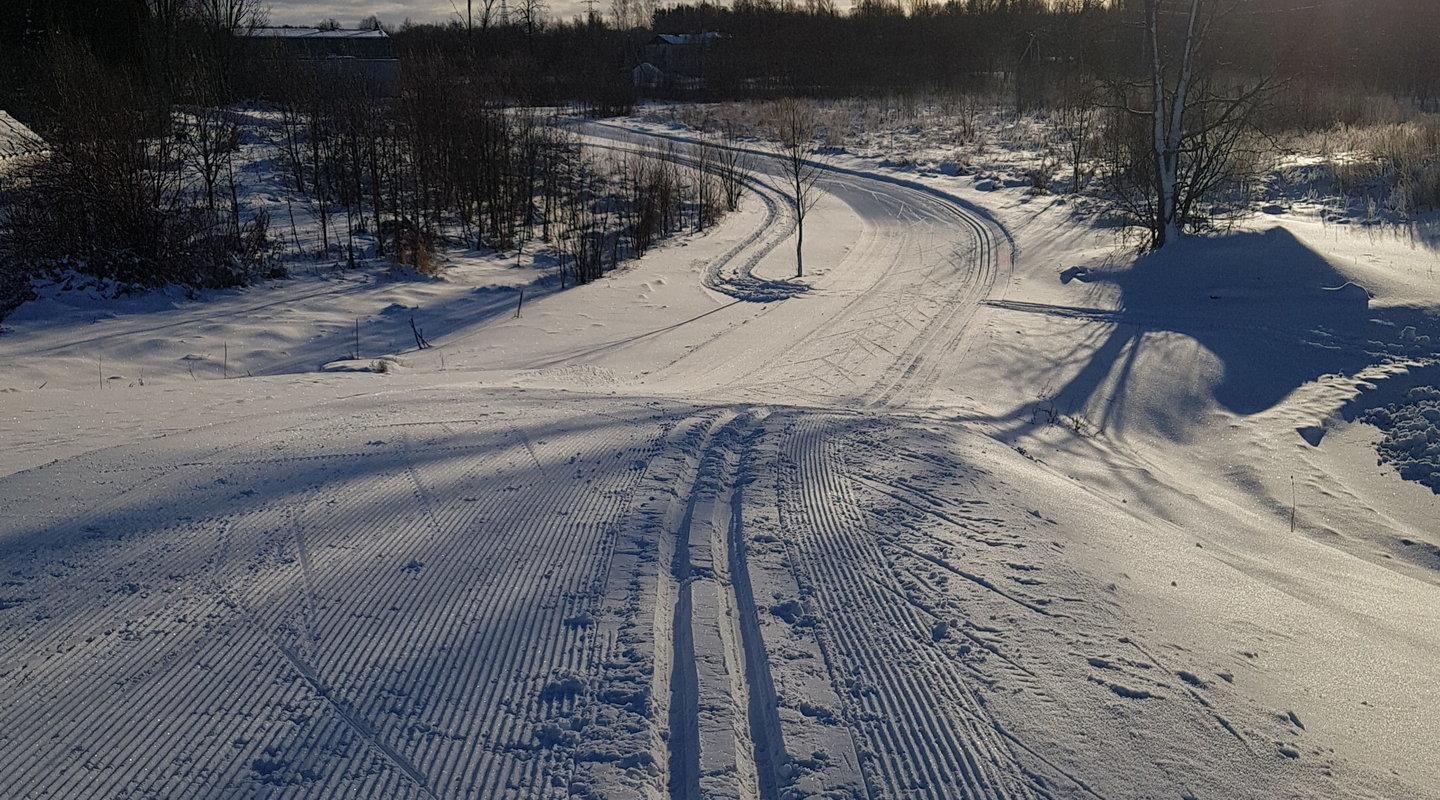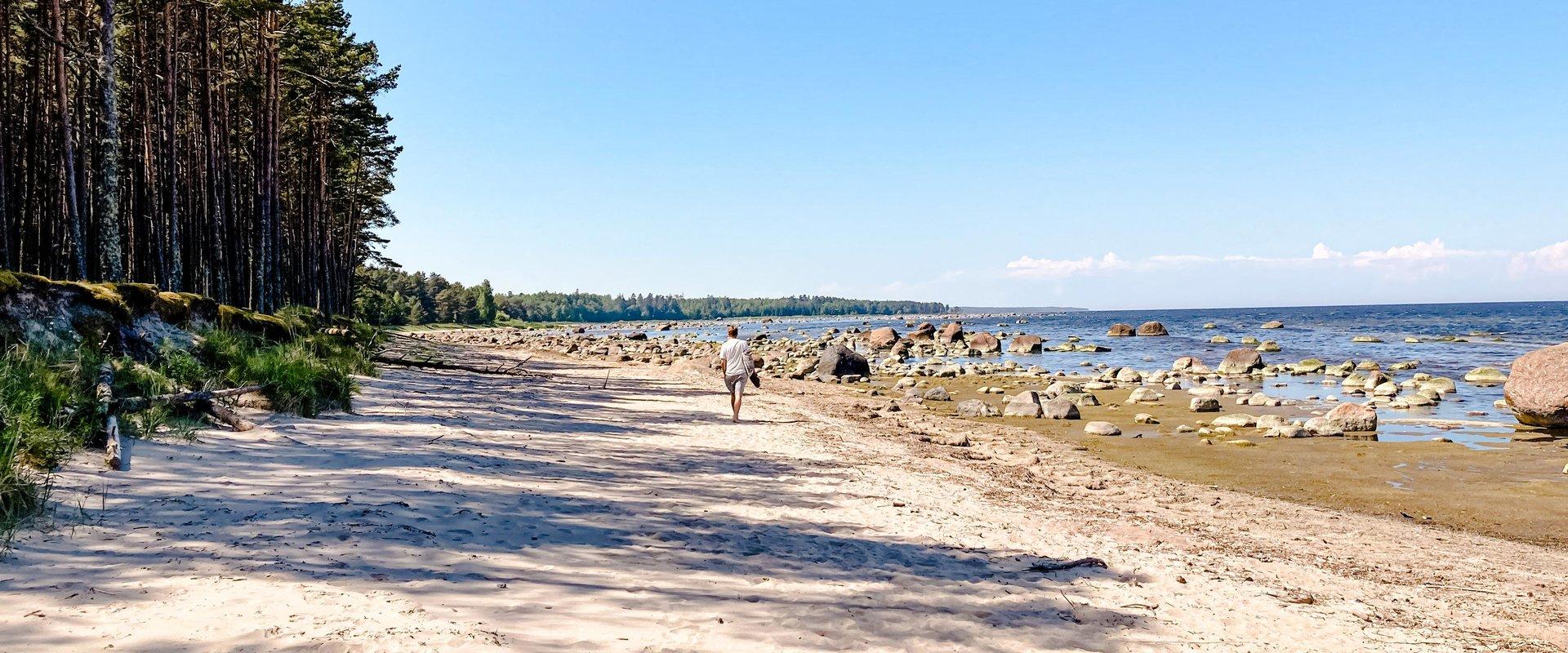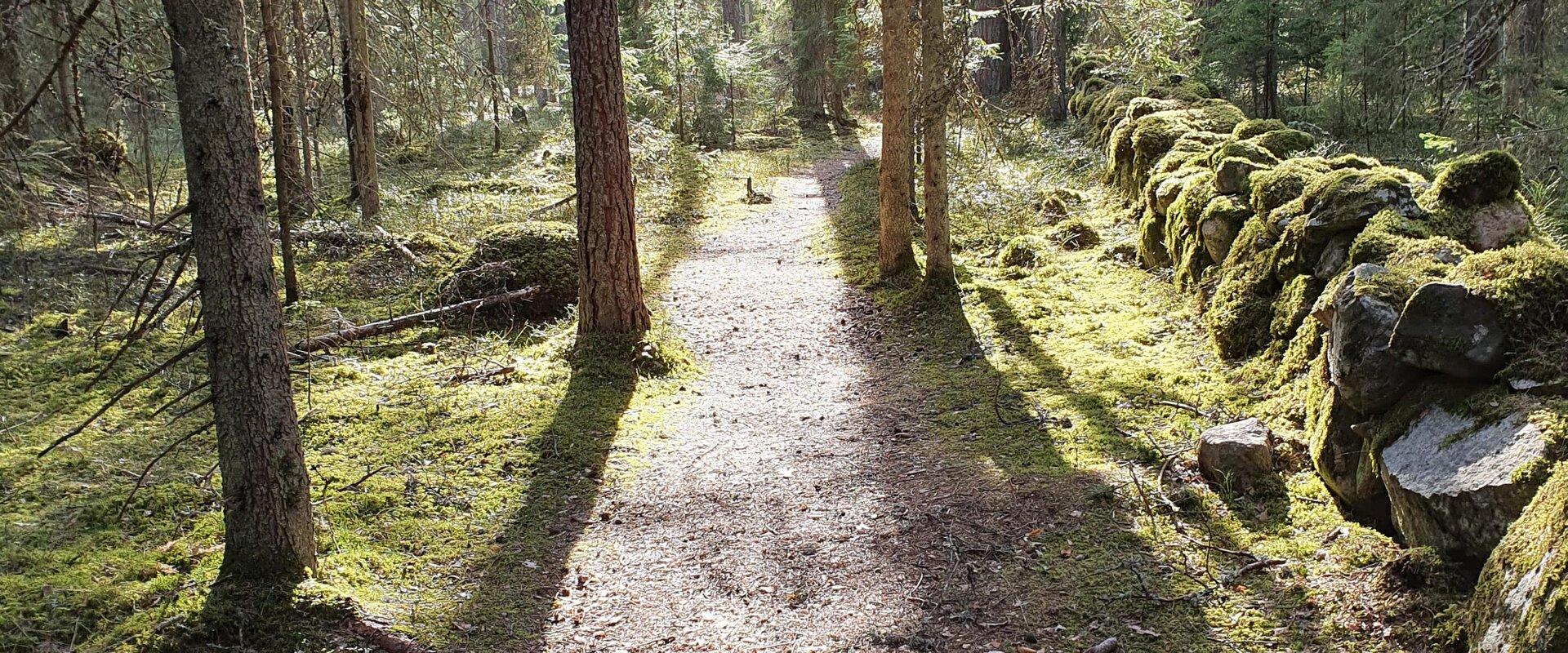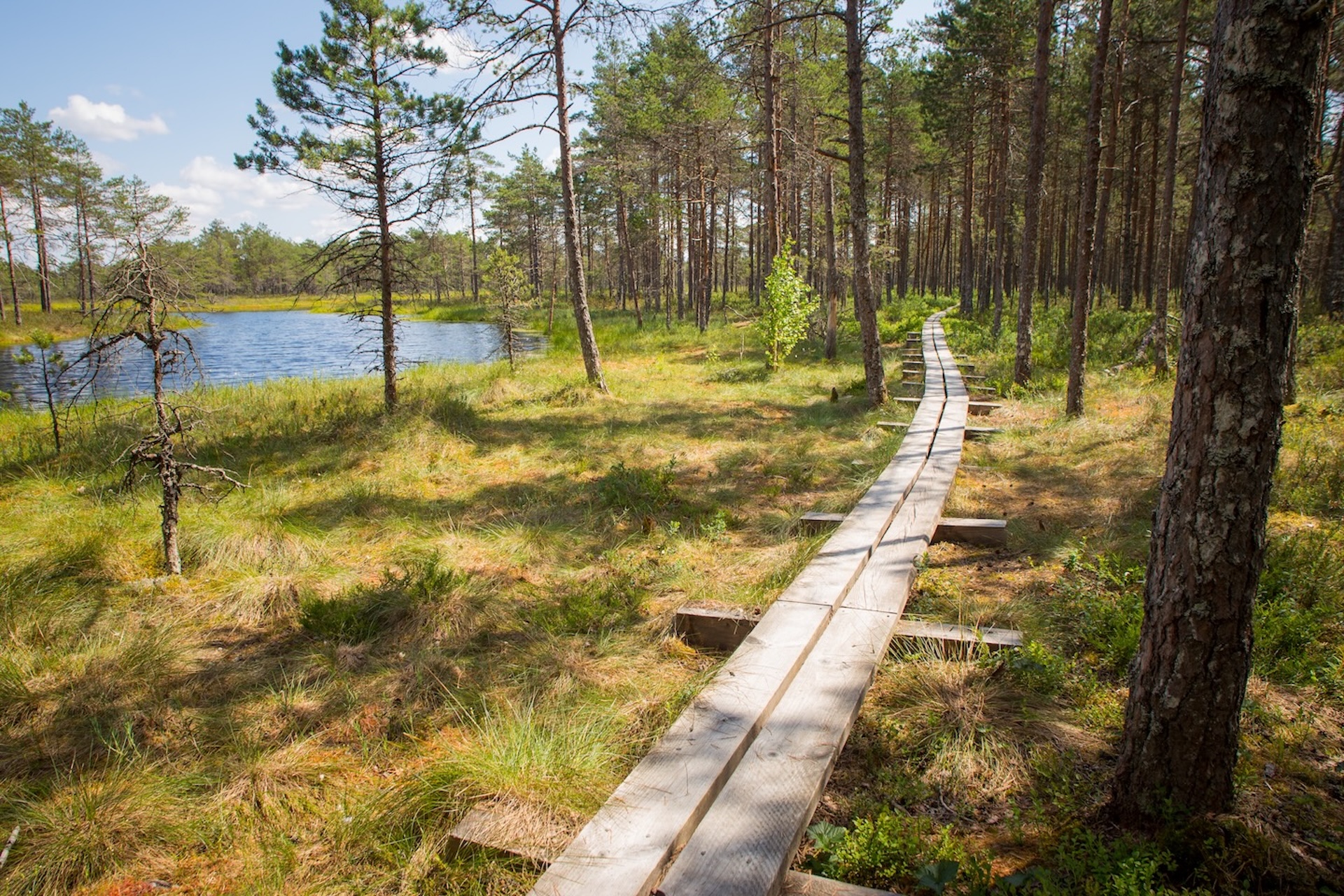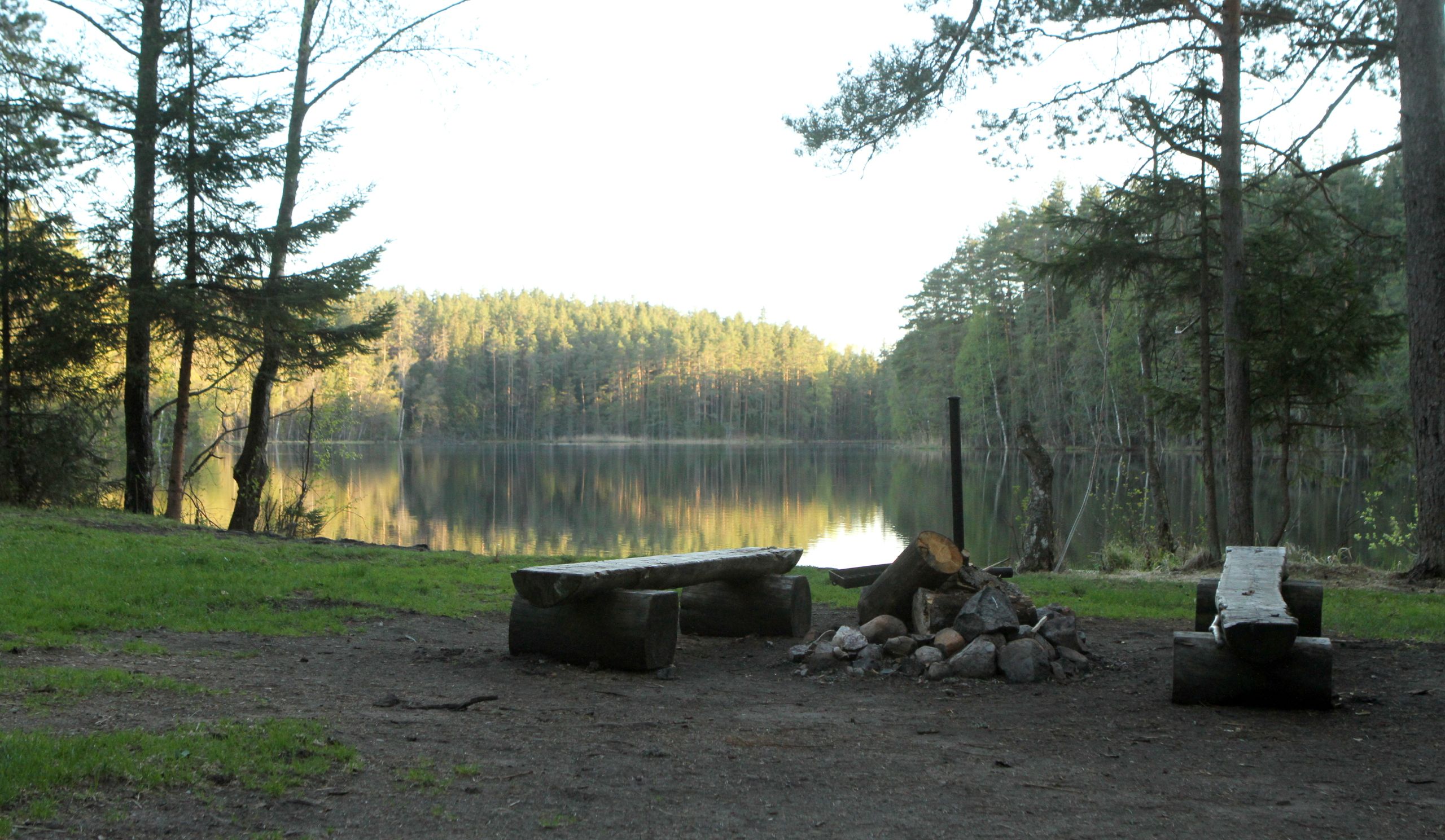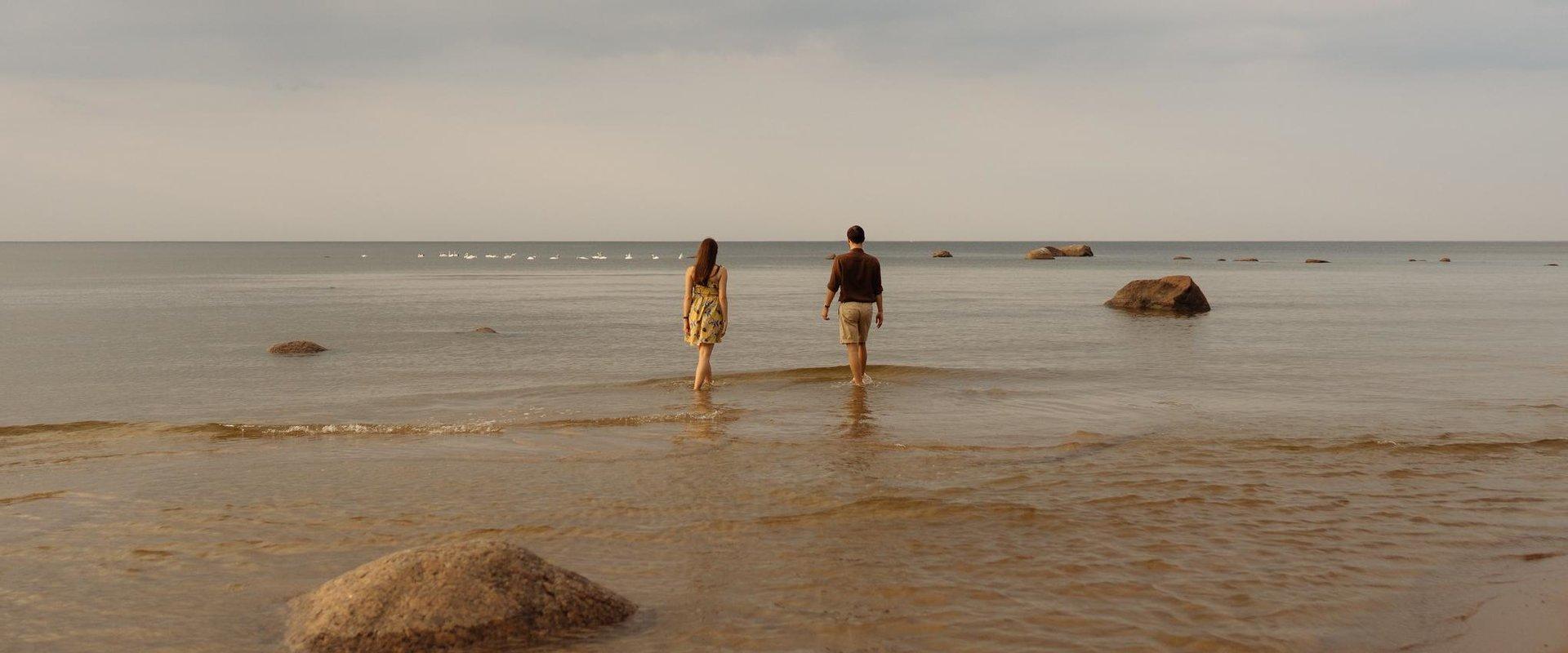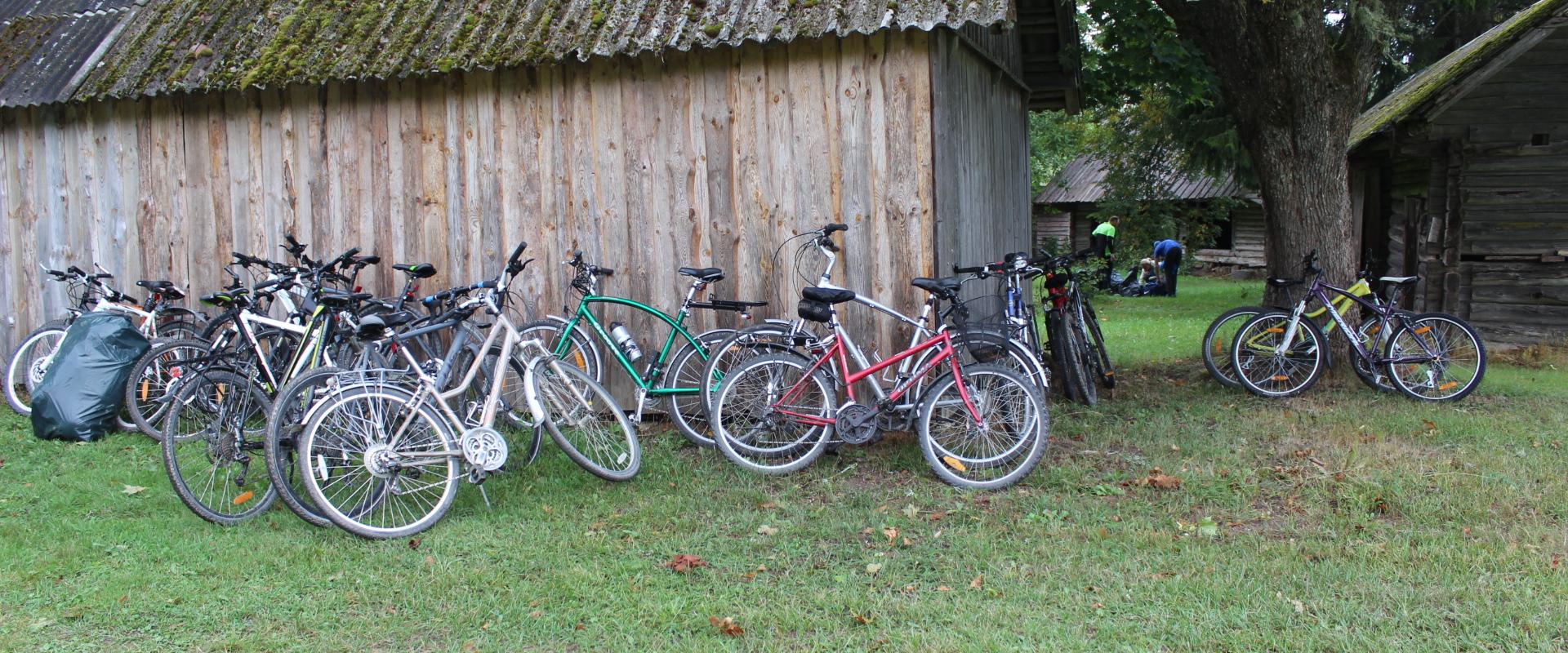

The best way to explore Lahemaa’s nature is to set aside enough time, pack comfortable hiking gear, and embark on discovering the local hiking and nature trails. Lahemaa’s trails vary in difficulty and character – from one-to-two-hour bog loops and the 45 km Oandu-Ikla hiking trail to a rocky kilometer leading to Purekkari Cape, the northernmost tip of mainland Estonia. The forests of Käsmu peninsula invite exploration both on foot and by bike. Lahemaa is also traversed by the E11 long-distance hiking trail, whose Baltic section is known as the Forest Hiking Trail, and which begins in the city of Scheveningen in the Netherlands and ends in Tallinn.
For Lahemaa’s hiking trails, we recommend bringing a guide, whom you can find here.
When venturing into nature, always ensure that your impact on the environment is limited to your presence. Sort any packaging and used napkins according to waste management rules. Keep the hiking trails in Lahemaa clean!
Lahemaa National Park Nature Trails:
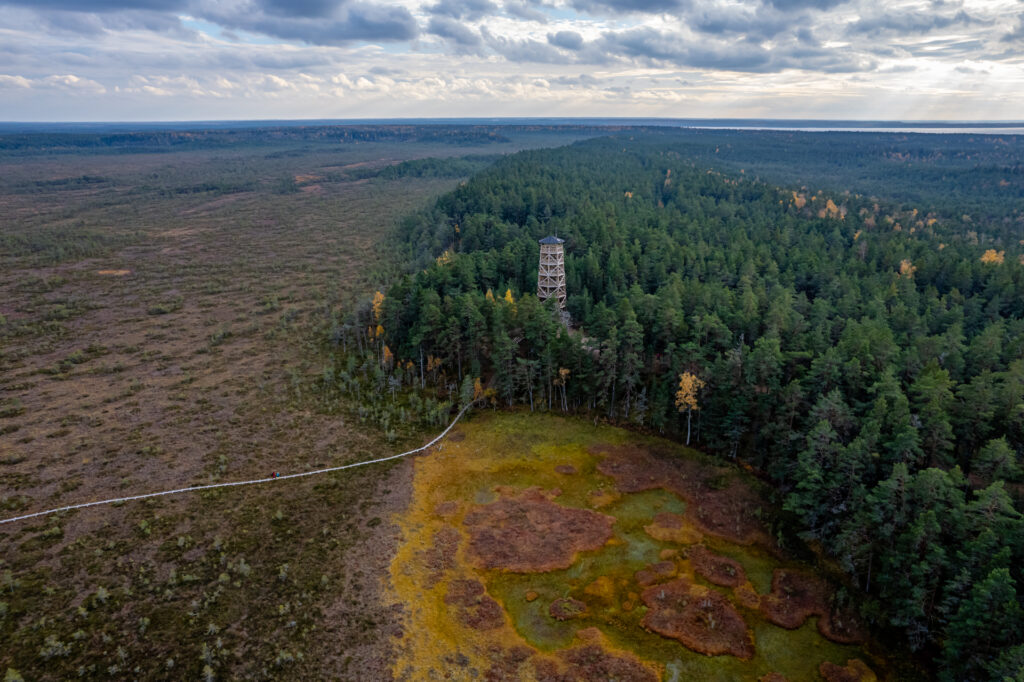
Altja Nature and Cultural History Trail | 4.2 km
Beaver Trail | 1 km
Käsmu Nature and Cultural History Trail | 4.2 km
Majakivi-Pikanõmme Nature Trail | 7 km
Oandu Old-Growth Forest Trail | 4.7 km
Oandu Heritage Culture Trail | 3.4 km
Oandu Herbalist’s Trail | 1 km
Ojaäärse Forest Trail | 3.5 km
Sagadi-Oandu Forest Tales Trail | 5.6 km
Tsitre Trees Trail | 1 km
Viru Bog Nature Trail | 3.5 km
Hara Bay Coastal Nature Trail
Mohni Nature and Hiking Trail
Mähu Tip and Purekkari Cape Birdwatching Trails
Pähkneeme Dune Pine Forest and Seashore Trail
Võsu Local History Trails
Lahemaa National Park Hiking Trails:
Käsmu Cycling Trail | 11.6 km
Käsmu Hiking Trail | 15 km
Oandu-Võsu Hiking Trail | 9.5 km
Viewing Platforms:
Majakivi-Pikanõmme Nature Trail
Viru Bog
Birdwatching Towers:
Vihasoo Birdwatching Tower
Viinistu Birdwatching Towers

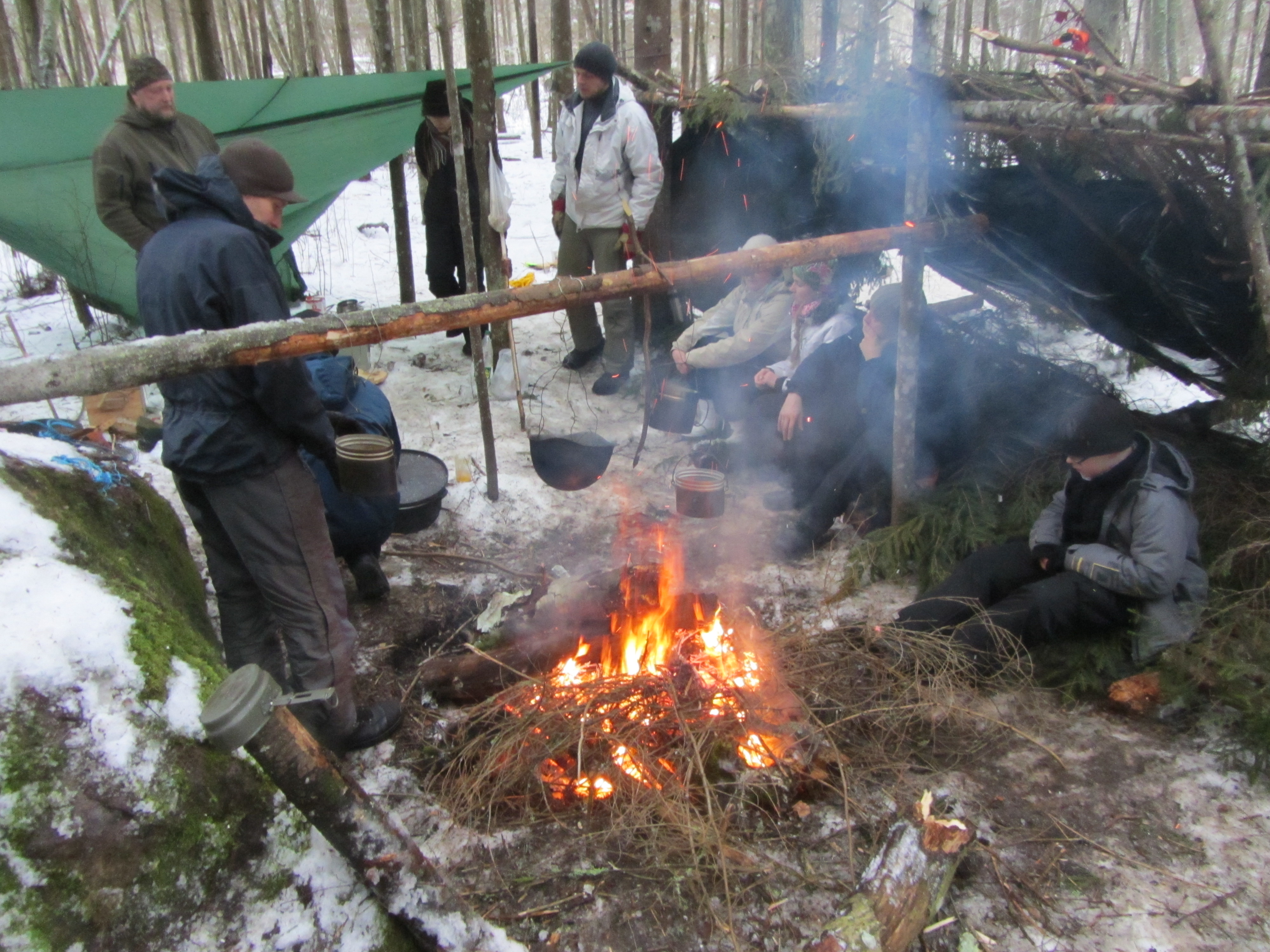
Come and join the adventure hike and discover how well you can manage even when comforts disappear. This is not theory or “I saw a video somewhere,” but a practical and fun experience where you will learn real skills and gain confidence that will stay with you even after the hike.
On the hike, you will take action yourself: build a shelter from branches and experience how a functional shelter can be created from simple materials. You will learn to safely light a fire, brew herbal tea from wild plants, and if you wish, prepare soup over the fire. We will practice situations where you are lost or have to manage without electricity and running water, and you will receive simple and clear tips on how to think and act calmly in a crisis situation.
The adventure hike is suitable for young people, families, friend groups, and work teams who want to combine teamwork, movement, and survival skills. The hike is family-friendly, and well-behaved pets are also welcome.
Come and experience how well you can manage – enjoy the adventure hike and enhance your crisis preparedness reserve.
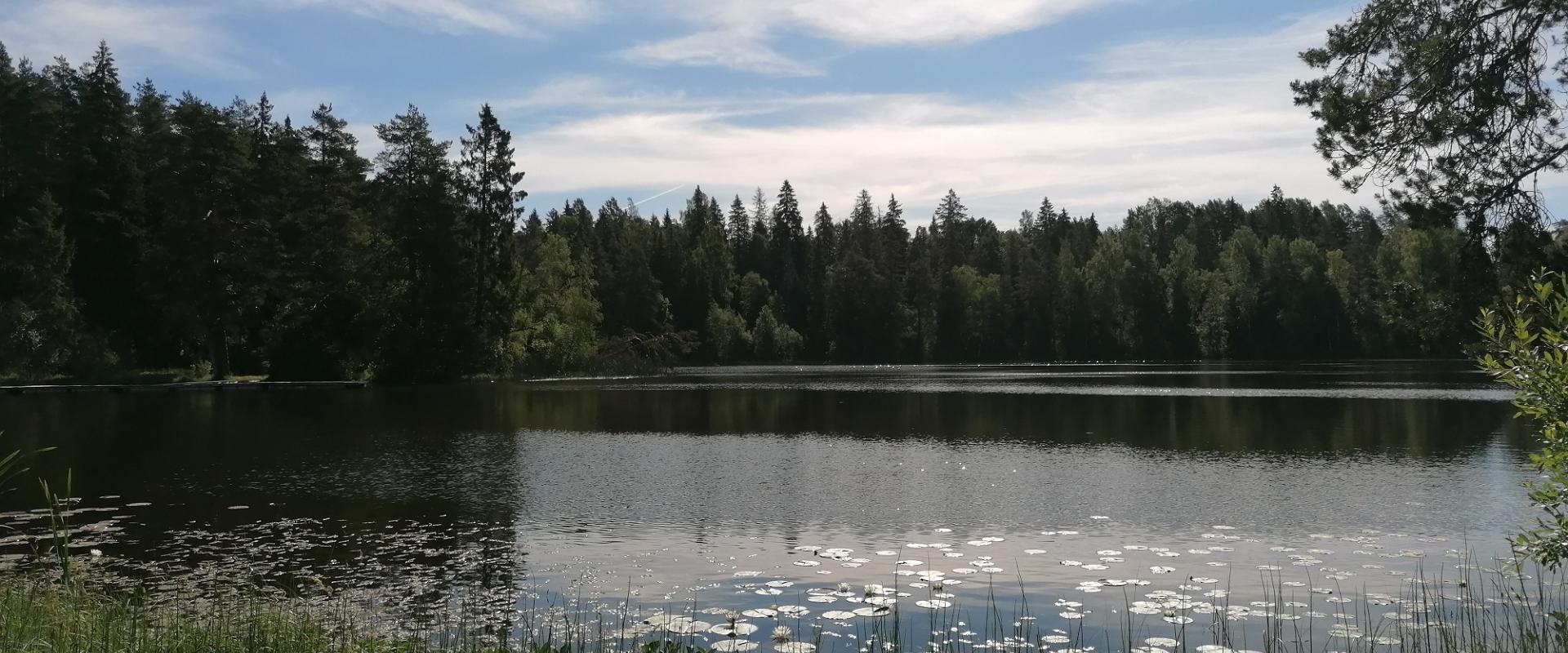
Kalijärv is located in Lääne-Viru County, in Tapa municipality, in Jäneda village. The lake covers an area of 4.1 ha, with an average depth of 4.9 m and a maximum depth of 9 m. The northeastern and eastern shores of the lake are high and forested ridges, while elsewhere the shores are shallow. A swimming area has been established on the northern shore. From the south, a cold-water ditch flows into the lake, and the outlet is at the northern end into the Jänijõgi River. The vegetation around the lake is sparse. The lake has been added to the list of public swimming areas by the Health Board.
Interesting to know:
Near the Jäneda Linnamäe, the beautiful lake has once been a summer retreat for the English writer George Herbert Wells.
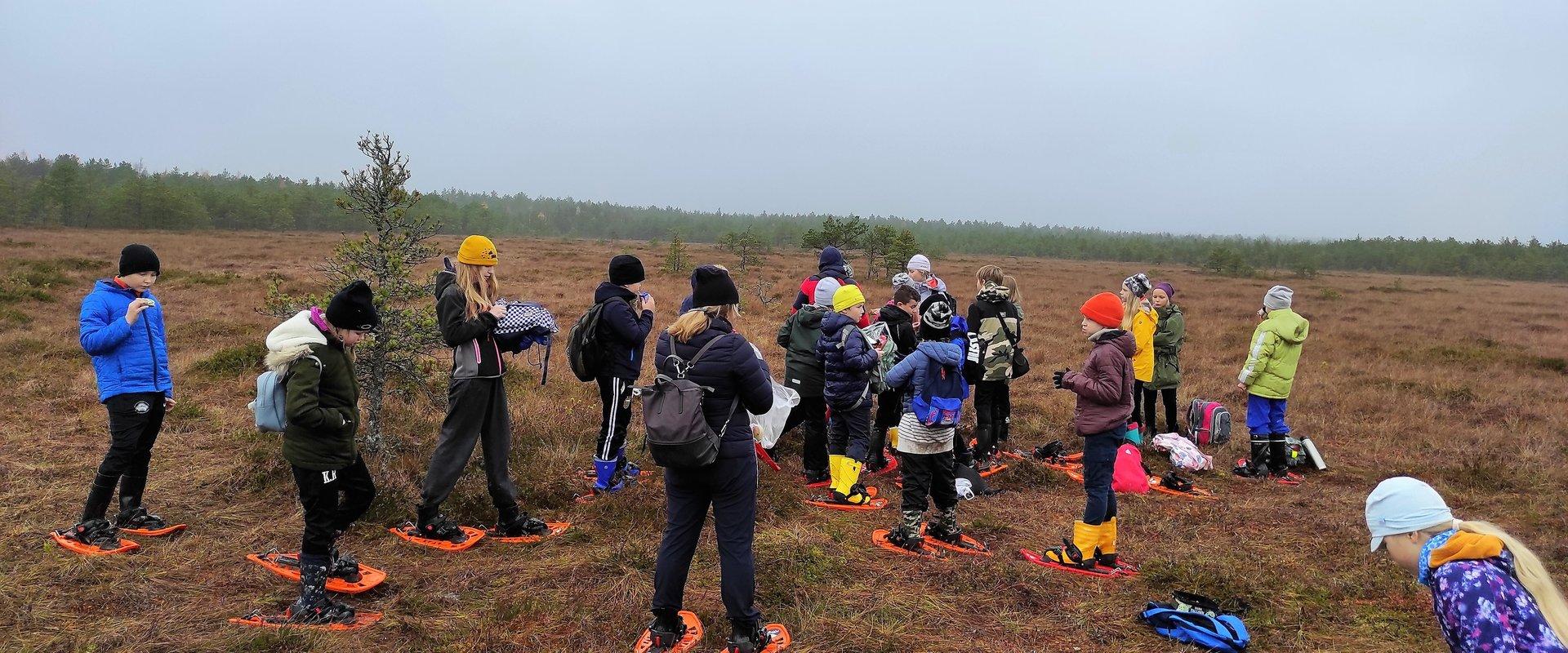
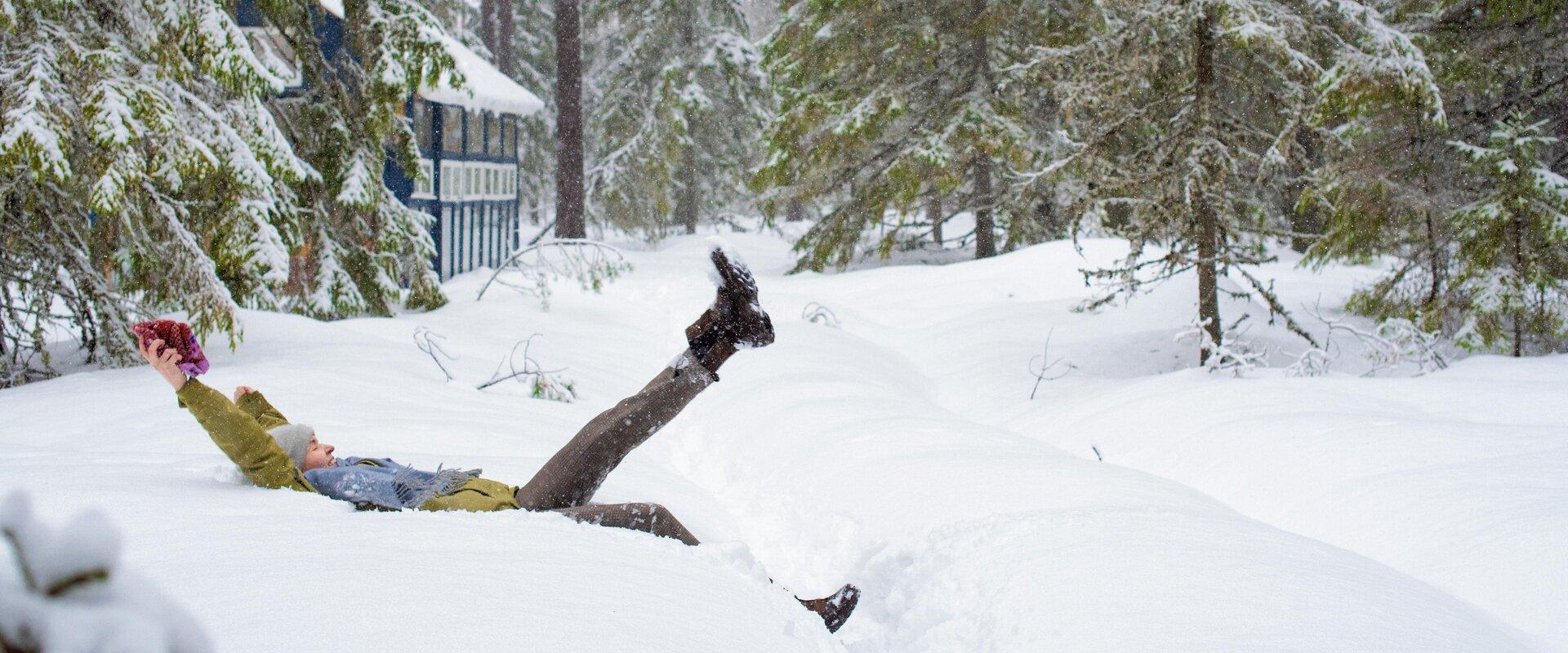
The snowshoe hike in Järvesoo and Savalduma bog is an adventure for those who want to enter the bog while keeping nature as a friend.
On snowshoes, we move to places where the boardwalk does not lead, and we learn to notice how the bog works: the stages of bog development, the bog ecosystem, and the relationships of species with their environment. We will observe fascinating “sucking spots” – places where the bog seems to absorb water – and discuss why this is important for the ecology of the entire area.
During the hike, we read signs: tracks, plants, moss, water eyes, bird calls. If someone asks, “Is this a bear track?”, we will answer honestly and with a smile. We learn why people walk dispersedly in the bog, how snowshoes reduce bog trampling, and what the difference is between a sedge, a bog lake, and a bog hummock.
During the break, we will brew warming tea from bog water and natural plants. The hike is suitable for families, groups of friends, and teams.
Note! We have joined the “Good Practice of Snowshoe Tourism” and therefore snowshoe hikes will not take place from April 23 to June 24.
Walking in the bog is interesting in every season; it is always varied and colorful (just not with a lot of snow in winter). To better understand the bogs, they should be visited with a nature guide.
During the hike, we will take a 3 or 6 km walk along the boardwalk, observe the surroundings from the observation tower, visit the edge of the free turf field, touch and look at various plants depending on the season, and talk about the importance of the bog to the ecosystem and traditions. For an additional fee, transportation or catering can be arranged.
The price depends on the size of the group, the length of the hike, and additional services. Ask for a quote!
The tip of Juminda Peninsula located in Lahemaa National Park, also known as Juminda Head, is interesting because the tip of the head extends underwater. Further on, the head forms a “chain” of large stones that actually move with bigger waves. It does not drop very steeply from the tip. At the end of the peninsula, a wonderful beach awaits you.
Today, you can also see the monument erected at the tip of the head in memory of the ships and people who perished in the Juminda battle during World War II. The monument consists of empty mines.
Right near the tip of the head, there is a camping area with fire pits. Nearby, you will also find the Juminda Lighthouse and a hiking trail.
Come and enjoy moving in the fresh air at the Kadrina health trail, where you will find loops of 2.4 km, 1.4 km, and 1 km. The trails are perfect for walking, Nordic walking, hiking, and health running. The inclines are moderate, and the path flows smoothly, providing suitable exercise for movement enthusiasts of all ages.
In winter, the health trail transforms into a maintained ski trail, where you can ski in both classic and freestyle techniques. Children will be delighted by the illuminated toboggan hill, where they can slide safely.
Additionally, you will find a modern fitness center, a low ropes course, and a disc golf course with 9 baskets. The adrenaline is provided by the bike park with jumps and a pump track.
Parking is convenient – there is a parking lot for 10 cars nearby.
Come alone or with family – movement in Kadrina is a true experience and the best way to relax!
The calm and pleasant Karepa beach is located on the coast of the Gulf of Finland. The sea is relatively shallow and the beach is sandy, but there are also smaller boulders. The mostly straight coastline is interrupted by three small peninsulas.
Already in the late 19th century, Karepa began to become a popular resort area, where several noble families built their summer houses. The beach remains a popular vacation spot for both locals and visitors from afar.
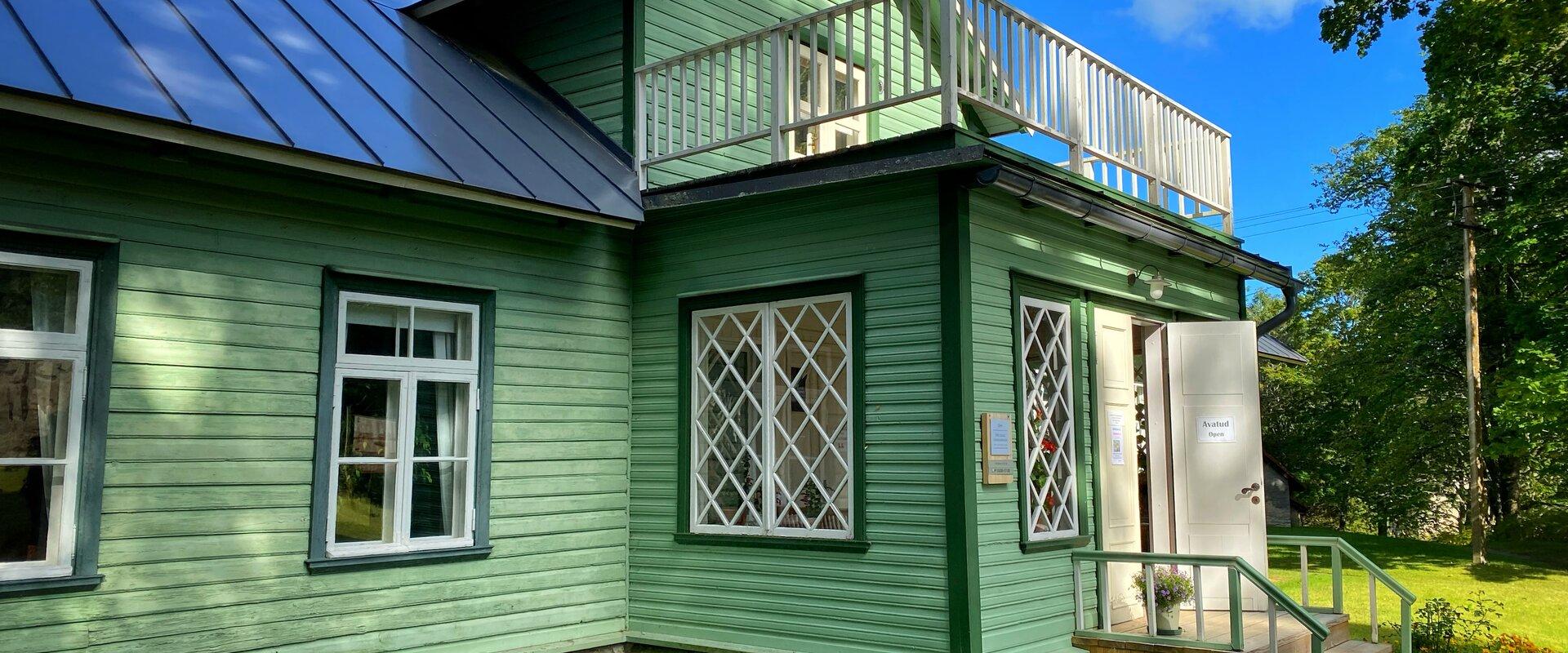
In Karepa is the artist Richard Sagritsa house museum, herb garden, and the Kullo youth camp. The nearest town is Kunda.
Karepa Herbal Garden invites you to discover the riches of nature! The garden is home to over 200 medicinal and culinary herbs, where you can learn how to use them both at the dining table and for boosting your health. A guided tour will take you into the greenery, where the plants and their stories tell fascinating tales.
The experience goes beyond just watching – you can participate in lectures and workshops where salves, natural foods, and herbal teas are prepared. If you wish, a delicious meal awaits you: witch soup, wild garlic soup, forest-flavored baked dish, and much more. Everything is made from pure organic ingredients, infused with the power of wild plants and herbs.
On-site, you can purchase homemade tea blends, salves, flavored salts, and wild garlic spread, and explore Verner Luke’s nature paintings. If desired, you can also receive individual advice on herbal medicine topics.
Come to Karepa Herbal Garden and let nature refresh your senses and health!
The Käsmu hiking and cycling trail invites you to discover the charm of Lahemaa National Park in a place where coastal nature, village history, and the joy of movement intertwine.
The 15-kilometer marked trail running through the historic village of Käsmu offers a great opportunity to spend a day in the fresh air at your own pace. The journey begins at the Käsmu chapel, takes you around a picturesque peninsula, and returns you back to the starting point. While moving along the trail, you can enjoy quiet beach sections, the tranquility of pine forests, and varied forest paths that are well-suited for both hikers and cyclists.
One of the most exciting stops along the trail is Käsmu Lake – a unique natural and heritage site that separated from the sea about 1500 years ago. This adds a special dimension to the entire trip, bringing together the story of the region’s natural formation and cultural heritage. While exploring the Käsmu peninsula, you can experience a place where the sea, forest, and history create a memorable atmosphere.
Käsmu Nature and Cultural History Trail is located in the village of Käsmu in Lahemaa National Park. The 4.2 km long trail starts from the parking lot near the Käsmu chapel and ends at the edge of the village. The trail introduces the formation history of the Käsmu Peninsula and the largest stone field in Estonia, which covers an area of 400 ha.
Good to know: Käsmu is one of the most beautiful seaside villages in Estonia, and you can learn about the village’s maritime history at the Käsmu Maritime Museum.
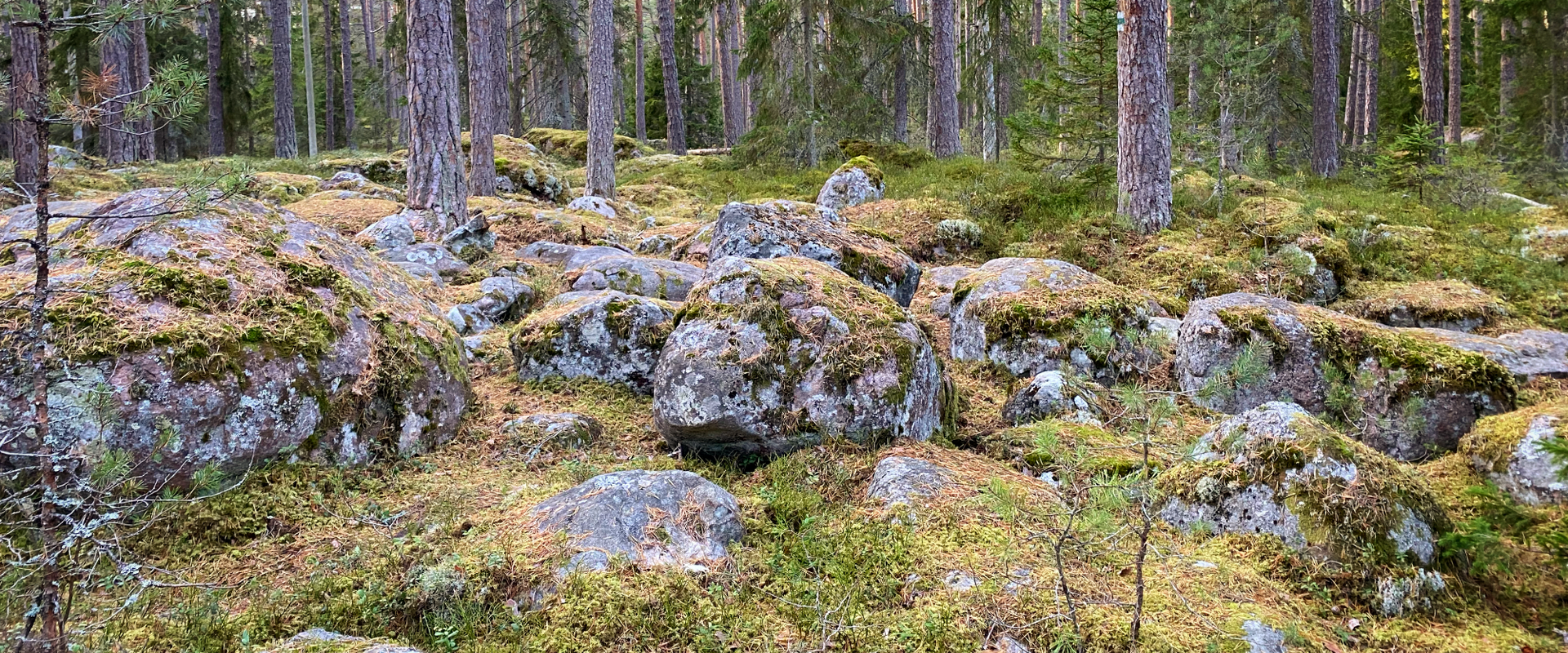
At the end of Käsmu captain’s village, on the left in the forest, lies the largest boulder field in Northern Europe. This is a place where a large number of massive erratic boulders have accumulated.
The largest stone is 4.8 m high and has a circumference of 14.7 m, known as Matsikivi or the Hermit. These erratic boulders were washed here along with the continental glaciers that came from Finland and Sweden 10,000 years ago.
Today, you can see the boulder field on the Käsmu nature and cultural historical hiking trail. The boulder field is best visible without snow.
Interesting to know: Käsmu village is the richest place in Estonia in terms of stones and boulders.
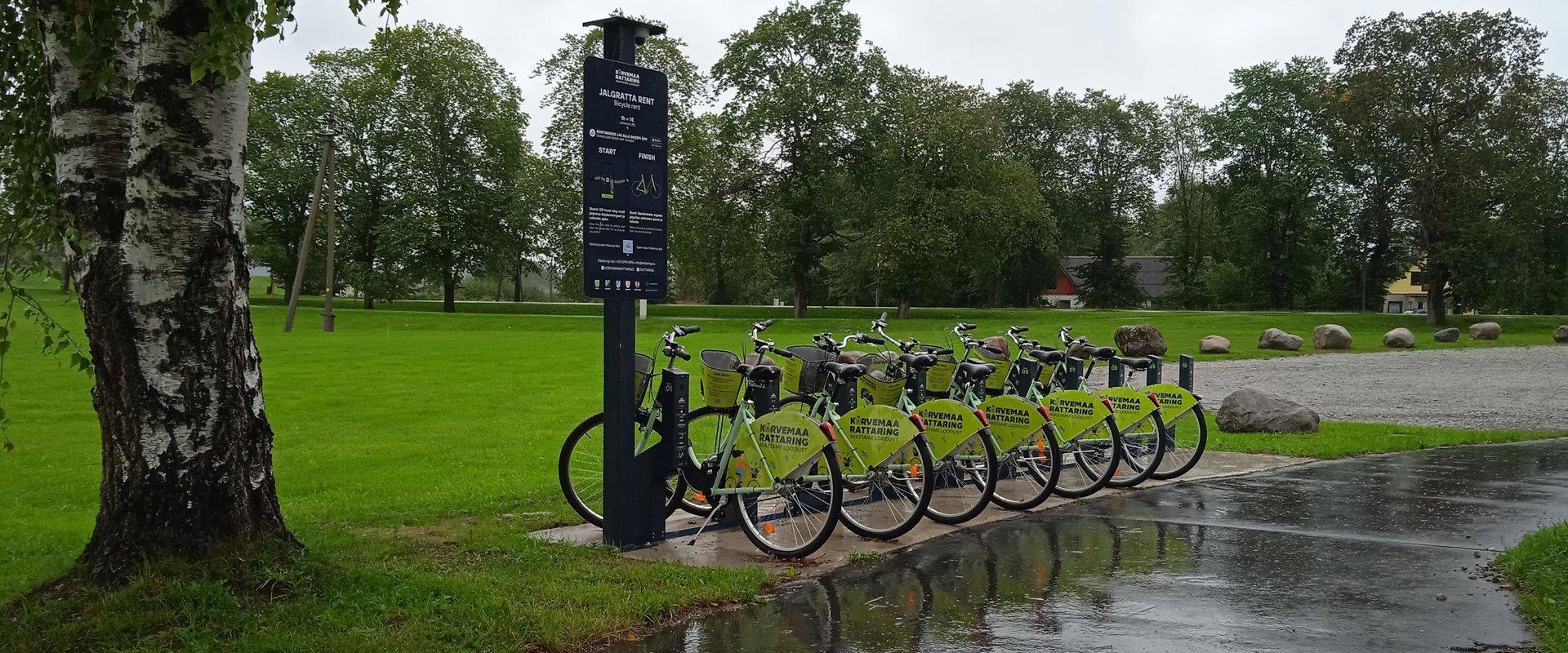
Do you want to go biking in nature with family or friends, or even just ride around the Kuusalu area? Rattaring offers a contactless environmentally friendly solution that connects train or car traffic with cycling.
Contactless 24/7 bike rental is available in 5 municipalities of Harju County! Rental stations are located in Aegviidu, Kostivere, Aruküla, Raasiku, Kehras, Kuusalu, Alavere, Kose, and Anija.
Renting, returning, and payment are done through the Bikeep mobile app. You can rent a bike for your desired time and return it to any rental station.
LA’Tours takes you on adventure journeys to the Lahemaa National Park coastal villages to explore fascinating art, nature, and military heritage. As an entrepreneur and local guide, I will accompany you on this journey through my experiences and stories.
Journeys with a picnic and amusing stories in the nature of Lahemaa, in the coastal villages of Natturi, Vergi, Altja, Eisma, Karepa, and Toolse. We will go back in time a century and, if desired, explore the historical manors of Lahemaa.
The price of the journey, which lasts about 3 hours, does not include the cost of the picnic or lunch offering. Group price by arrangement.
The Lahemaa Adventure Center located in Loobu village is established to promote an environmentally friendly lifestyle and movement in nature.
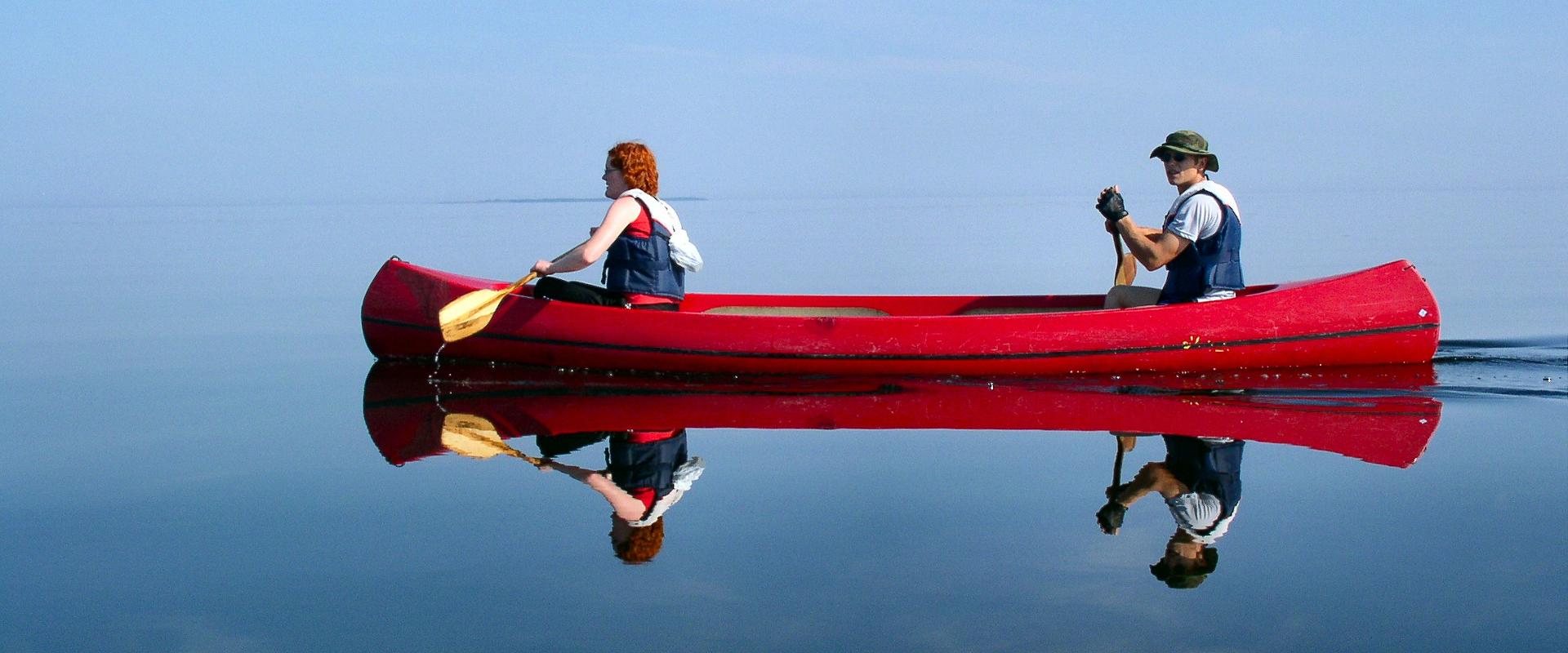
The canoe trip takes place on the Valge River, one of the most beautiful rivers in Northern Estonia. The duration of the trip is 3-5 hours, depending on your preference. On the river, there is a chance to see water birds, herons, beaver lodges, and their activity traces; with a bit of luck, you might also see other wildlife by the water.
All participants receive a canoe, a life jacket, and a paddle, with guidance provided on-site. After the canoe trip, there is an option to go to the House of Good Thoughts fireplace room and sauna or enjoy a pleasant conversation by the campfire in the tent.
Come and challenge yourself and others!
Lahemaa National Park was established in 1971 and is created to preserve, research, and promote the nature and cultural heritage, biological diversity, landscapes, national culture, and sustainable use of nature in Northern Estonia. Lahemaa is one of Europe’s most important forest conservation areas.
Oandu Nature Center introduces the nature of Lahemaa National Park and the possibilities for movement in nature, as well as the cultivation and use of forests and wood throughout history.
Oandu is a hub for nature trails – seven educational or hiking trails start from the visitor center’s yard and nearby area.
Lahemaa National Park was established in 1971 and is created to preserve, study, and promote the nature and cultural heritage, biological diversity, landscapes, national culture, and sustainable use of nature in Northern Estonia. Here, forest, swamp, and coastal ecosystems, as well as historical and architectural monuments, are protected.
Lahemaa is one of Europe’s most important forest conservation areas.
At the Palmse Manor carriage house, RMK Lahemaa Nature Center is open year-round, where visitors can get information and brochures about the national park and the Northern Estonia recreation area, as well as view the most diverse exhibition introducing the national park.
The already familiar Järvi-Aegviidu hiking trail among hikers offers the beauty and charm of Kõrvemaa nature along its 27 km journey. The trail is open year-round and is easily accessible from the Aegviidu visitor center.
3 km of the hiking trail consists of boardwalks, and the trail partially overlaps with the Paukjärve and Jussi nature trails. Along the 2-3 day journey, there are several camping areas, fire spots, and bogs as well as lakes for swimming. The trail is marked with red color dots on the trees.
If you are looking for a peaceful and picturesque place to hike, camp, or simply enjoy nature, then the Järvi-Aegviidu hiking trail is an excellent choice!
Järvi Pikkjärv, located in the North Kõrvemaa Nature Reserve, is a natural lake covering 5.2 hectares, surrounded by a mixed forest of pine and spruce. The northeastern shore of the lake is sandy and suitable for swimming. Depending on the season, you can find blueberries, lingonberries, and mushrooms in the area.
The lake beautifies the Kõrvemaa landscape and offers opportunities for camping as a recreational spot. The camping area is located in the northeastern corner of the lake, in the forest under spruce trees. The 27 km long Järvi-Aegviidu hiking trail starts from the Järvi Pikkjärv camping area. The camping site has several fire pits with grills, as well as covered areas with benches and tables.
Come enjoy a vacation in the midst of nature!
The sandy Leesi beach is located by the Kolga Bay and is the most beautiful bathing beach with its sand dunes. It is a so-called wild beach, where you can enjoy a more private and peaceful getaway. You can hide between the dunes on windier days, and when you get hungry, you can find a lovely home restaurant in the nearby beautiful fishing village of Kolga-Aabla.
If you have a craving for something special while visiting the beach, the restaurant MerMer offers tempting gourmet dishes! Be sure to make a reservation before you go.
By bicycle, you can see distant, forgotten, and abandoned villages, known and unknown manors, find the oases and small lakes of Kõrvemaa, which are inaccessible by car.
We offer you a guide for cycling trips. In addition to spending time in nature, we provide a relaxing sauna. If you come to hike alone, you can also get maps from Ohepalus. By preparing more thoroughly, you can set the route in advance and even order signs at crossroads.
Good to know: Linnumäe Nature Farm is a power-free pop-up cabin that has served for eight generations, located on the edge of Ohepalu bog, which is the starting point for hikes or suitable for sauna sessions.